Kingsley History Anchors Community Identity, Offers Research Resources
Kingsley’s origins as a railroad stop and lumber town have left a concentrated set of historical resources that continue to shape community life and local planning. For residents and researchers the village’s archives, museum collections, and annual events provide entry points for civic engagement, preservation decisions, and economic planning.
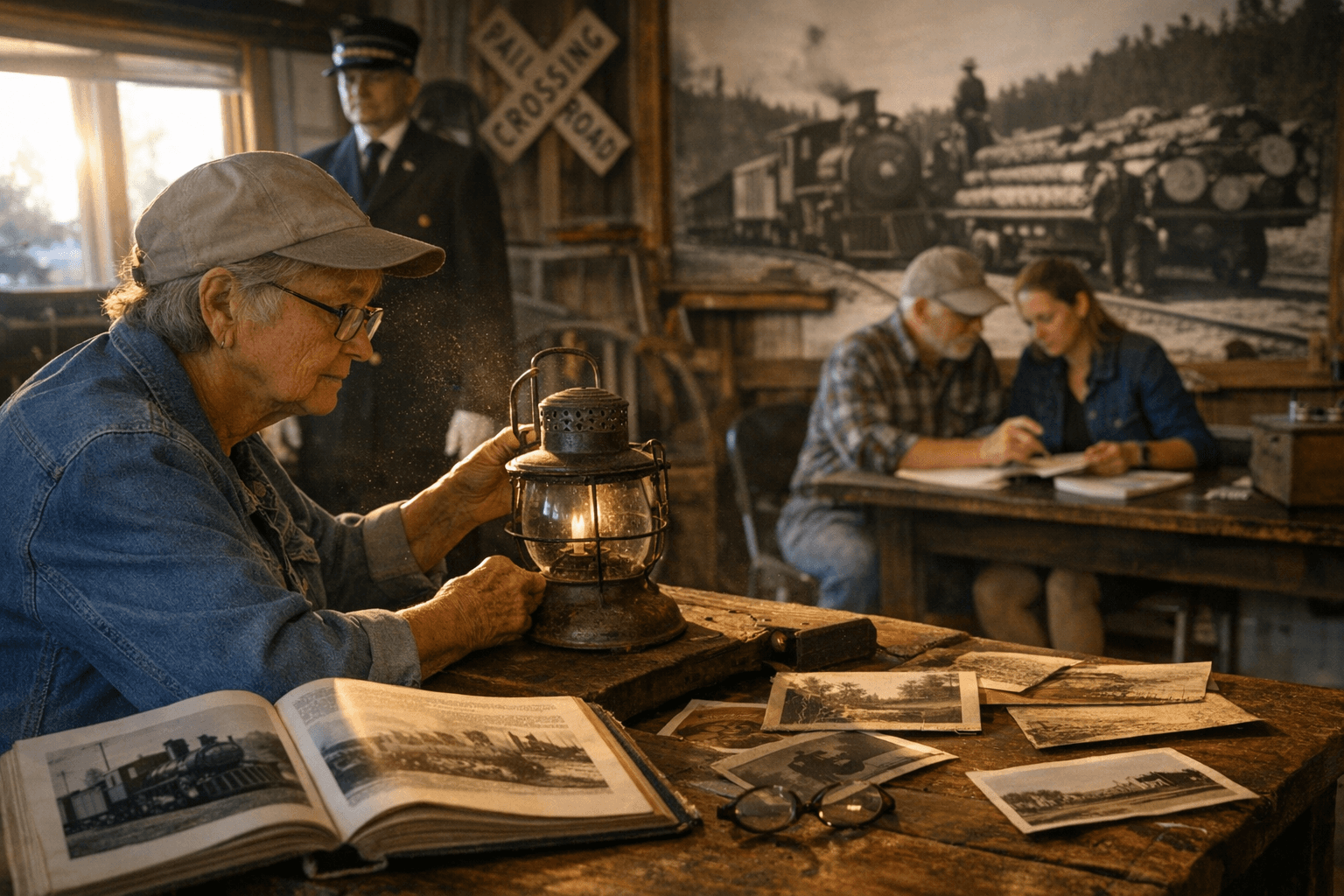
Kingsley began as a railroad stop on the Walton Junction to Traverse City rail line. Founder Judson Kingsley platted the village and built the depot and a general store in the mid 1800s. Over the late 19th and early 20th centuries the village grew around lumber mills, saloons, and hotels, and later shifted toward potato farming as the lumber industry declined. Fires and the collapse of the local lumber economy reshaped Kingsley’s commercial base, leaving a legacy of built and photographic records that local institutions now preserve.
Today Kingsley is a small village in Paradise Township with a concentrated civic infrastructure devoted to local history. The Kingsley branch library and area museums maintain artifacts and collections such as the Floyd Webster photograph collection, and the community marks its past each year with Kingsley Heritage Days. Those institutions serve both cultural and civic functions. They preserve material evidence of early industry and transportation, they anchor community memory, and they create opportunities for volunteerism and education.
That intersection of history and governance has practical implications for Grand Traverse County residents. Local decisions about zoning, building maintenance, and cultural funding affect whether historic sites remain intact and whether archives are preserved and digitized. Heritage events and curated collections can also support tourism and small business development, creating alternate economic pathways in a village that once depended on resource extraction. Village and township leaders, school officials, and county policy makers will influence how those opportunities are realized.
For residents who want to begin local historical research, the Kingsley collections are an accessible starting point. The local history portal at localhistory.tadl.org contains item level records and introductory material. Participating in Heritage Days, volunteering with the library or museum, and raising preservation issues at village and township meetings are direct ways to influence how history is preserved and leveraged for community benefit. As Kingsley moves into the future, these choices will shape both the physical landscape and the civic character of the village.
This article was produced by Prism’s automated news system from verified source data, official records, and press releases, then run through automated quality and moderation checks before publishing. The system is built and supervised by the people who set the standards it runs under. Read our full AI policy.
Did this article answer your question?


