Nearly 2,000 Join ICE Out March in Traverse City Demanding Accountability
Nearly 2,000 people marched in downtown Traverse City to demand accountability and an end to federal use of force after a regional federal agent-involved killing, underscoring local concerns over oversight.
Nearly 2,000 people marched through downtown Traverse City on Jan. 26 in a protest organized by local group Traverse Indivisible called "ICE Out," demanding accountability and an end to federal use of force after a high-profile federal agent-involved killing elsewhere in the region. The crowd moved along Front Street, drawing honks from passing cars and sustained chants that filled the city center.
Organizers and participants said the demonstration was a call for greater transparency and constitutional protections. State Rep. Betsy Coffia, D-Traverse City, handed out signs and spoke at the rally, signaling legislative attention at the state level. Local Republican Party chair Katie Kniss attended and urged patience for law enforcement investigations while acknowledging the tragedy that prompted the march. The mixture of participants from across the political spectrum marked the event as broadly resonant in the community.
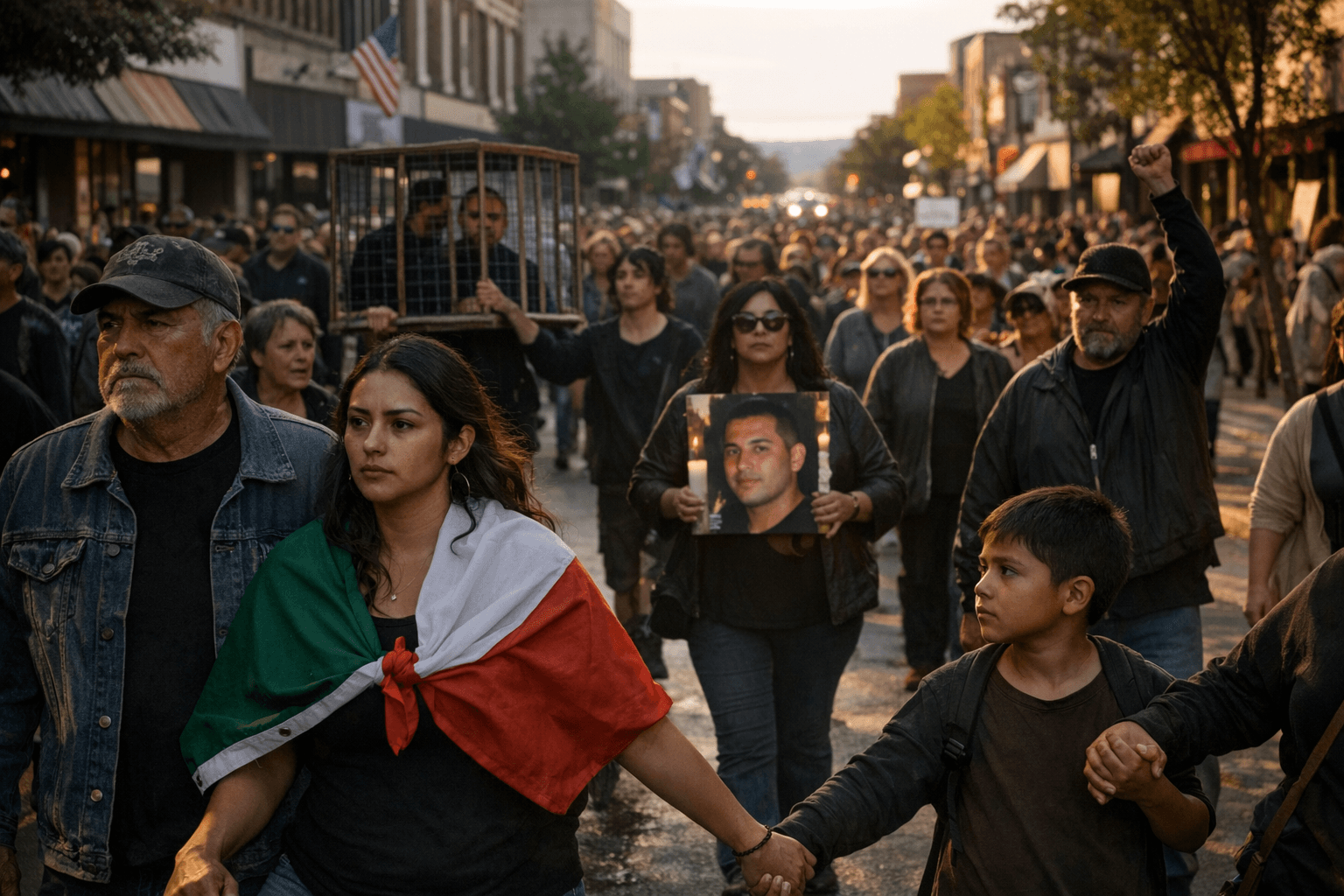
The ICE Out march concentrated attention on downtown commerce and civic space. Front Street is a focal point for restaurants, shops, and weekend visitors, and large demonstrations can interrupt foot traffic and vehicle flow for hours. For local business owners and service-sector employees, the protest was both a public safety event and a political signal that federal action and oversight can become a front-burner local issue. City officials and business associations will need to weigh public safety logistics against the economic importance of keeping downtown accessible, especially during peak winter tourism weekends.
Policy implications extend beyond a single demonstration. Calls for accountability may increase pressure on local and state elected officials to seek clearer lines of oversight when federal agents operate in the region. While ultimate authority over federal agents rests with federal agencies and the Justice Department, the visible presence of elected officials like Betsy Coffia suggests potential for state-level inquiries, constituent hearings, or formal requests for information from federal authorities. Katie Kniss's emphasis on patience for investigations underscores a competing local priority: ensuring due process while responding to public concern.
The march also carries broader civic implications for Grand Traverse County. High turnout for a single protest indicates elevated community engagement and the potential for sustained activism. For residents, the immediate takeaway is that questions about use of force and federal jurisdiction are active issues in Traverse City politics and public life. Expect local leaders to face follow-up questions at upcoming meetings and for organizers to press for specific policy responses in the coming weeks, as the community balances demands for accountability with procedural investigations.
This article was produced by Prism’s automated news system from verified source data, official records, and press releases, then run through automated quality and moderation checks before publishing. The system is built and supervised by the people who set the standards it runs under. Read our full AI policy.
Did this article answer your question?


