NMC Defends Free-speech Zones as TPUSA Launch Draws Anti-fascist Protesters
NMC defended designated free-speech zones as a Turning Point USA launch on Jan 20 drew a planned anti-fascist protest, raising campus safety and community engagement concerns for Traverse City residents.
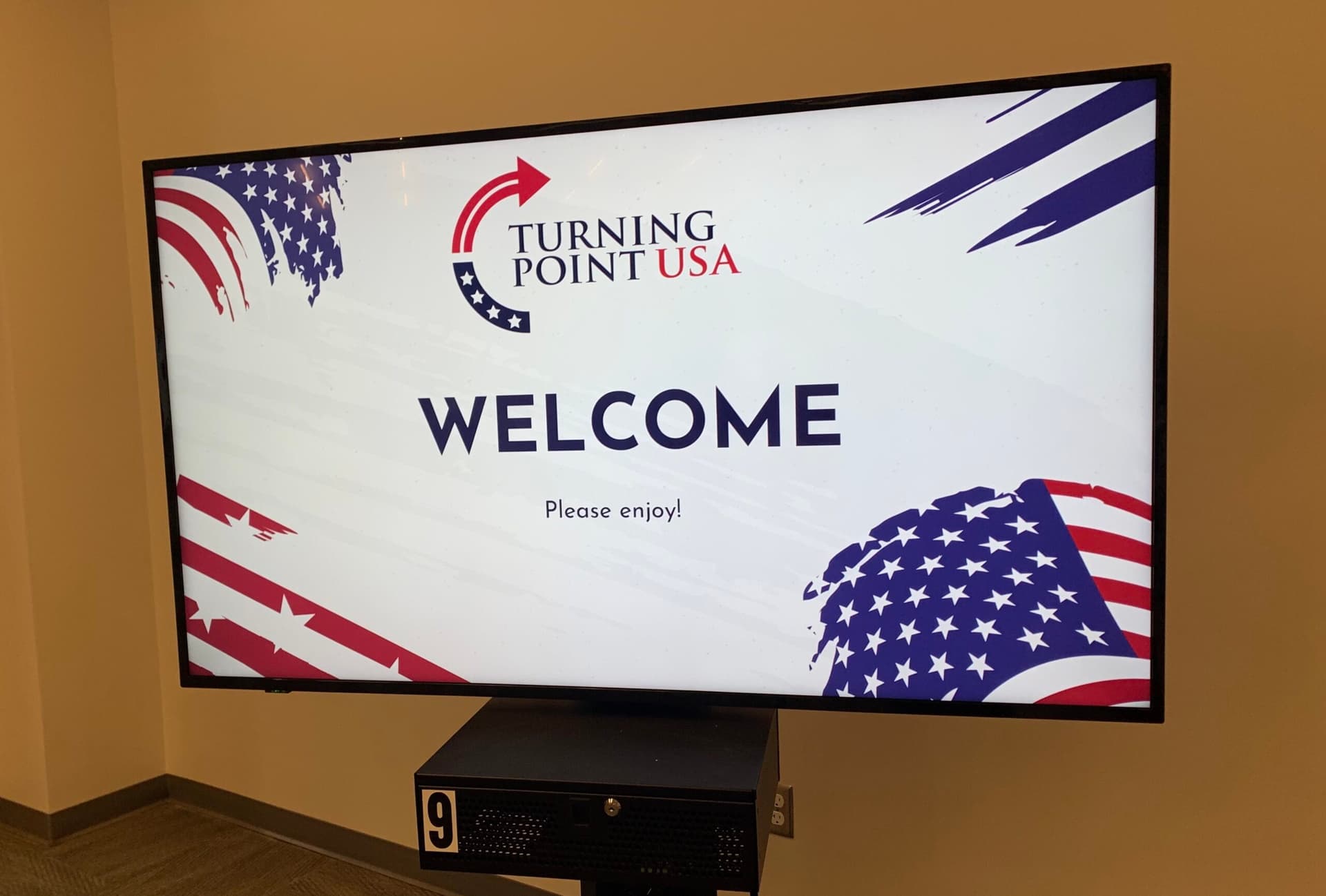
Northwestern Michigan College officials defended the use of designated free-speech zones after the college hosted the launch of a local Turning Point USA chapter on Jan 20, 2026, an event that coincided with a planned demonstration by community members identifying as anti-fascist. College leaders emphasized their intent to protect First Amendment rights while maintaining order on the Traverse City campus, and they urged peaceful engagement as protesters and the new chapter’s supporters gathered.
NMC outlined where demonstrations would be allowed and said those zones were intended to balance open expression with safety for students, faculty, and nearby residents. Campus administrators also reaffirmed policies supporting a range of student organizations and encouraged dialogue across viewpoints. The college’s public statements framed the designated areas as a tool to prevent clashes and keep campus operations running, including classroom schedules and student services, without major interruption.
Local impact included heightened security and visible law enforcement presence on and around campus during the Jan 20 activities. The convergence of political activists and a national organization’s chapter launch required coordination among campus safety staff, facilities, and municipal responders. For Grand Traverse County residents, that coordination translated into short-term strains on public resources and potential disruptions for students and downtown traffic, particularly in areas adjacent to the Traverse City campus.
There are broader economic and institutional implications for Northwestern Michigan College and the wider community. Colleges that host contentious political events often face increased costs for security and facility management, and these incidents can affect perceptions among prospective students, donors, and community partners. Maintaining a reputation for hosting civil discourse can help protect enrollment stability and local revenue streams that depend on campus activity, such as dining, retail, and rental housing. Conversely, repeated confrontations could create reputational risk that ripples into philanthropic support and municipal budgeting decisions.

Policy context matters for local voters and taxpayers. Designated free-speech zones have been used by higher education institutions nationwide to reduce the risk of physical confrontations while attempting to comply with constitutional protections. For a community the size of Grand Traverse County, the balance between protecting expression and ensuring public order requires clear procedures, transparent enforcement, and communication with residents who may be affected by campus events.
What comes next is likely to shape campus climate and local policy. Northwestern Michigan College may review how its designated zones performed during the Jan 20 activities and consider adjustments to signage, staffing, or outreach to student groups. Traverse City residents should expect continued attention to how colleges manage political demonstrations and the fiscal and civic trade-offs involved in safeguarding both free speech and community safety.
This article was produced by Prism’s automated news system from verified source data, official records, and press releases, then run through automated quality and moderation checks before publishing. The system is built and supervised by the people who set the standards it runs under. Read our full AI policy.
Did this article answer your question?