Oryana reassures shoppers as Cyclospora concerns spread in northern Michigan
Oryana says suppliers have reported no produce problems as Cyclospora cases climbed to 2,640 in Michigan, with lettuce and salad greens under scrutiny.
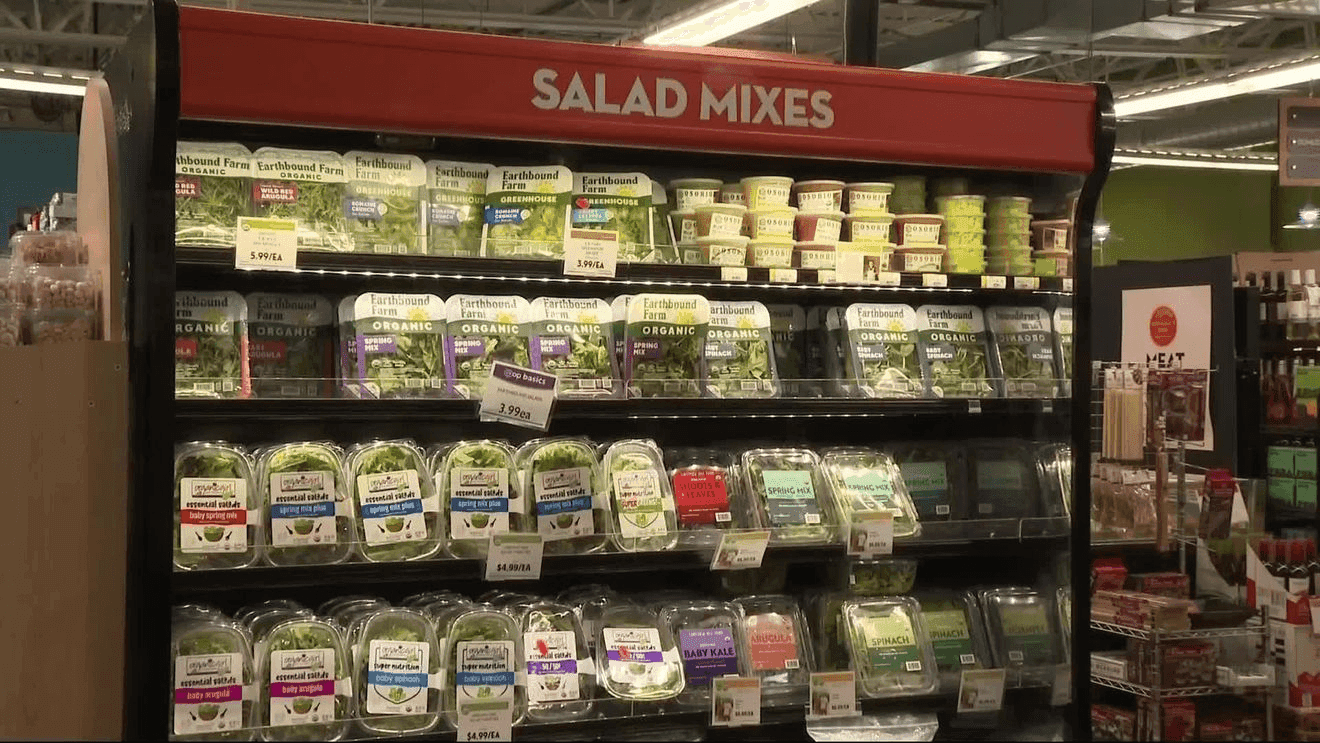
Oryana told Grand Traverse County shoppers it had not heard from suppliers about any produce problems and said all food goes through an extensive safety process as Cyclospora concerns spread through northern Michigan. The Traverse City grocer also said it had fielded a surplus of calls from worried customers, a sign that the outbreak is already changing how people think about everyday produce purchases.
Cody Sovis, speaking for Oryana, said the store wanted to reassure people that it was maintaining its “extremely high-quality standards.” The message lands at a moment when many families are looking harder at the salad case, especially for leafy greens and prepared produce that often go straight from shelf to table.
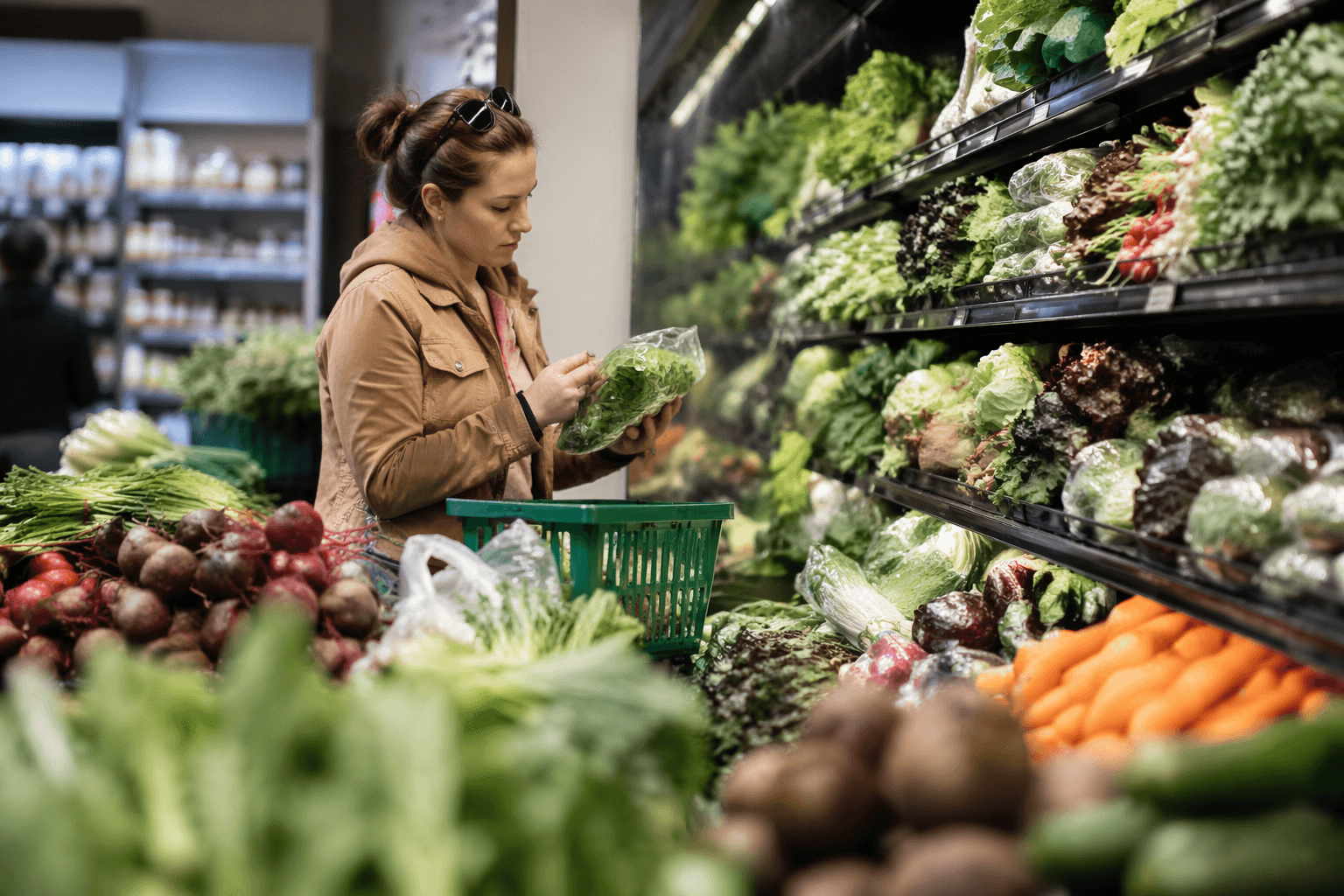
State health officials said the investigation is still narrowing in on the likely source. The Michigan Department of Health and Human Services said on July 13 that the state had 2,640 reported cyclosporiasis cases and that more than 1,000 patient interviews had been completed. Early results point to lettuce or salad greens, but no specific grower, supplier or produce type has been identified.
The scale is far beyond what Michigan normally sees. The state says cyclosporiasis is usually recorded only 40 to 50 times a year, making this outbreak highly unusual. Michigan first announced the outbreak on July 1 after more than 170 cases were reported in nine days across several southeast Michigan counties.
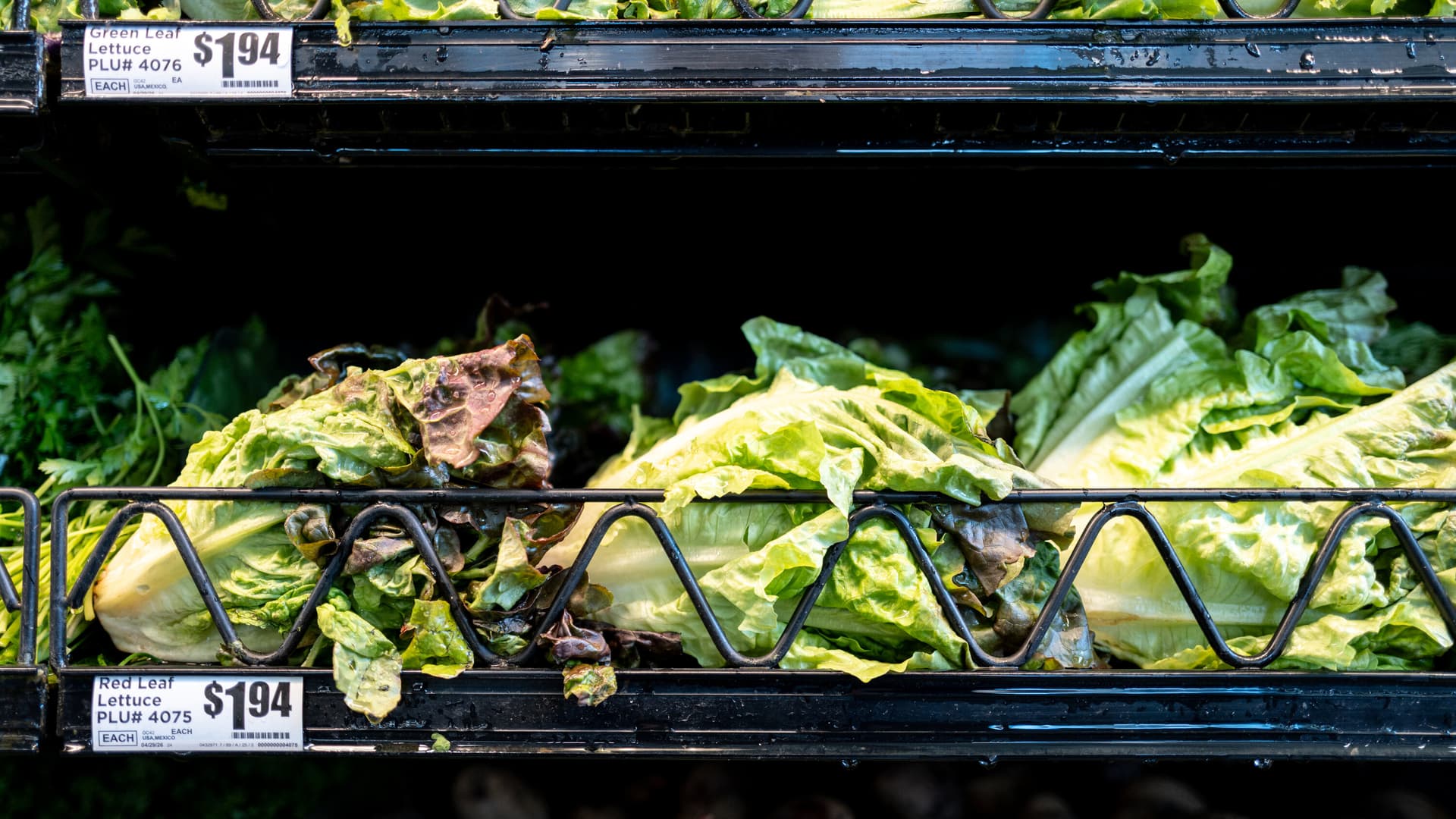
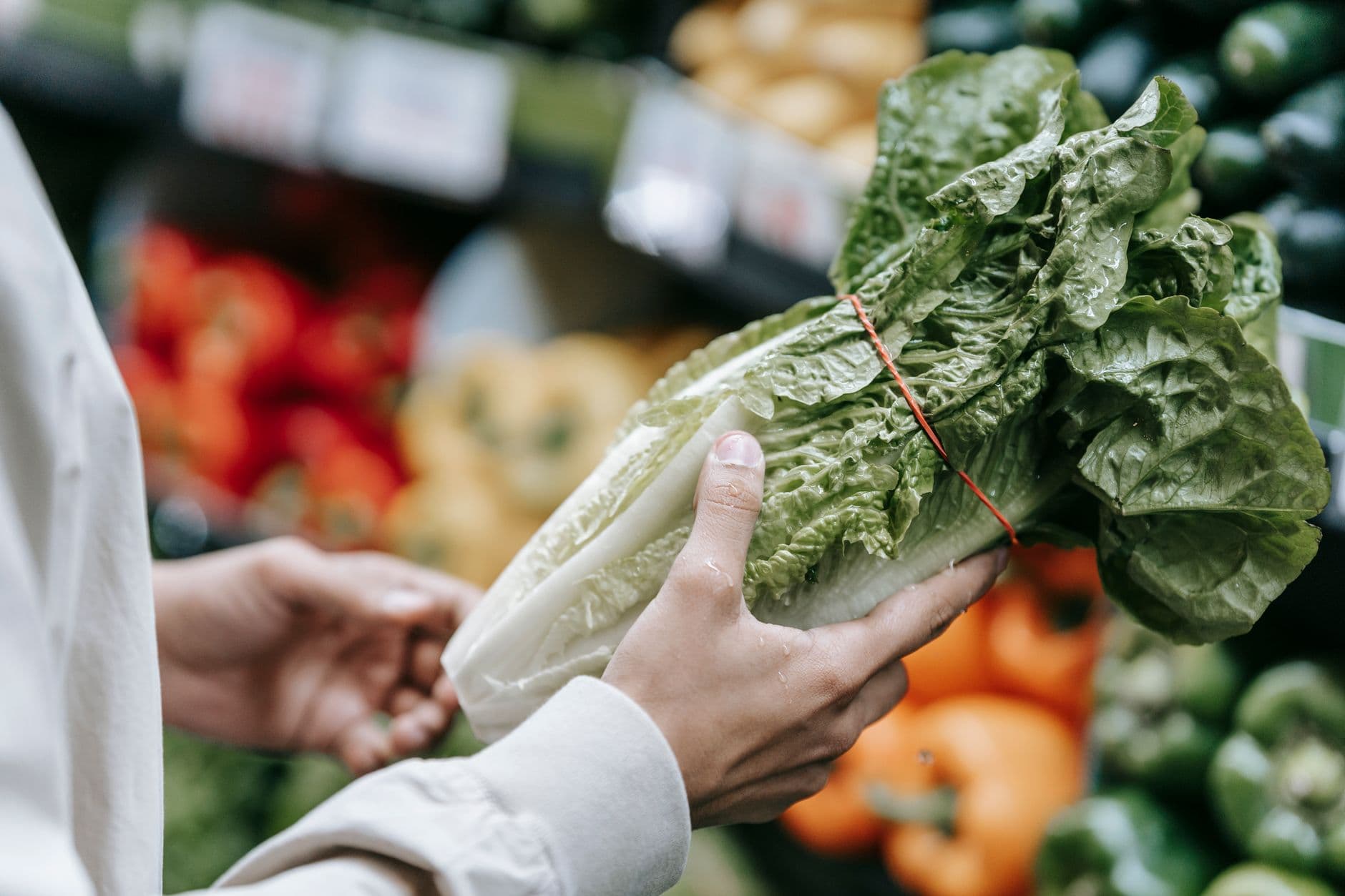
For shoppers, the guidance is becoming more practical and more specific. The Michigan Department of Health and Human Services says to buy whole heads of lettuce rather than prewashed bagged lettuce or pre-mixed salad kits, discard the outer leaves and wash leaves under running water. Leafy greens that can be cooked are safest when cooked, and raspberries are especially hard to clean, so cooking them or choosing frozen alternatives is the safer option.
Health officials say cyclospora can cause watery diarrhea, nausea and stomach cramps, with symptoms appearing two to 14 days after exposure. They also say it is not known to spread from person to person, which keeps the focus on contaminated produce rather than household transmission.
The concern is not limited to one county or one store. The Centers for Disease Control and Prevention said on July 13 that more than 400 people in Michigan, Ohio, West Virginia and Kentucky had been reported with Cyclospora infection in the multistate outbreak, and that the true number of sick people is likely higher. In Grand Traverse County, where grocery trips serve both year-round residents and a heavy summer visitor population, that uncertainty is pushing stores like Oryana to do more than stock shelves. It is forcing them to prove where food comes from and how it is handled before it reaches the checkout line.
This article was produced by Prism’s automated news system from verified source data, official records, and press releases, then run through automated quality and moderation checks before publishing. The system is built and supervised by the people who set the standards it runs under. Read our full AI policy.
Did this article answer your question?