Traverse City Adopts Complete Streets Policy, Prioritizes All Road Users
Traverse City commissioners voted unanimously on December 17, 2025 to adopt a Complete Streets policy that requires future city road projects to account for pedestrians, cyclists, drivers and public transit. The policy aims to improve walkability, equity and safety while reducing congestion, and creates an advisory committee to set measurable goals and oversee implementation.
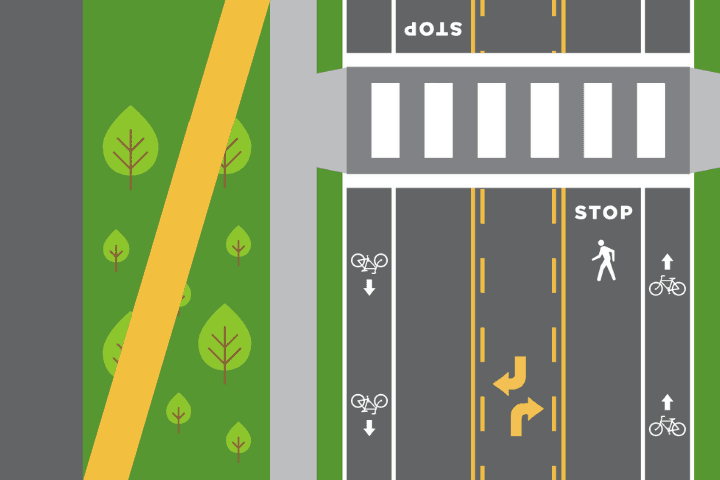
Traverse City commissioners passed a unanimous resolution on December 17 to adopt a Complete Streets policy for future city roadway projects. The policy requires planners and engineers to consider sidewalks, bike lanes, crosswalks and transit accommodations in project design rather than focusing solely on vehicle throughput. Commissioners directed the formation of an advisory committee to work with city management to establish measurable goals and to oversee implementation across upcoming projects.
City leaders cited the recent Eighth Street reconstruction as an early example of Complete Streets principles in action, noting that public feedback from that project has been largely positive. The new policy formalizes those principles and embeds them into the planning process for capital improvements, signaling a shift in municipal priorities toward multimodal access and street safety.
For residents the change will be most visible in the design and scope of projects that the city controls. Sidewalks and safer crosswalks are intended to improve access for pedestrians, including older adults and families with children. Designated bike lanes and clearer transit accommodations are intended to make nonmotorized and public transportation options more practical and equitable. Officials also framed these investments as part of a strategy to reduce vehicle congestion by giving residents viable alternatives to driving.
Institutionally the policy creates a new layer of oversight through the advisory committee, which will work with city management to define performance measures and track outcomes. That requirement for measurable goals introduces a stronger accountability framework than has typically guided ad hoc roadway projects, and it could affect project timelines and procurement as design standards evolve to meet the new policy criteria.
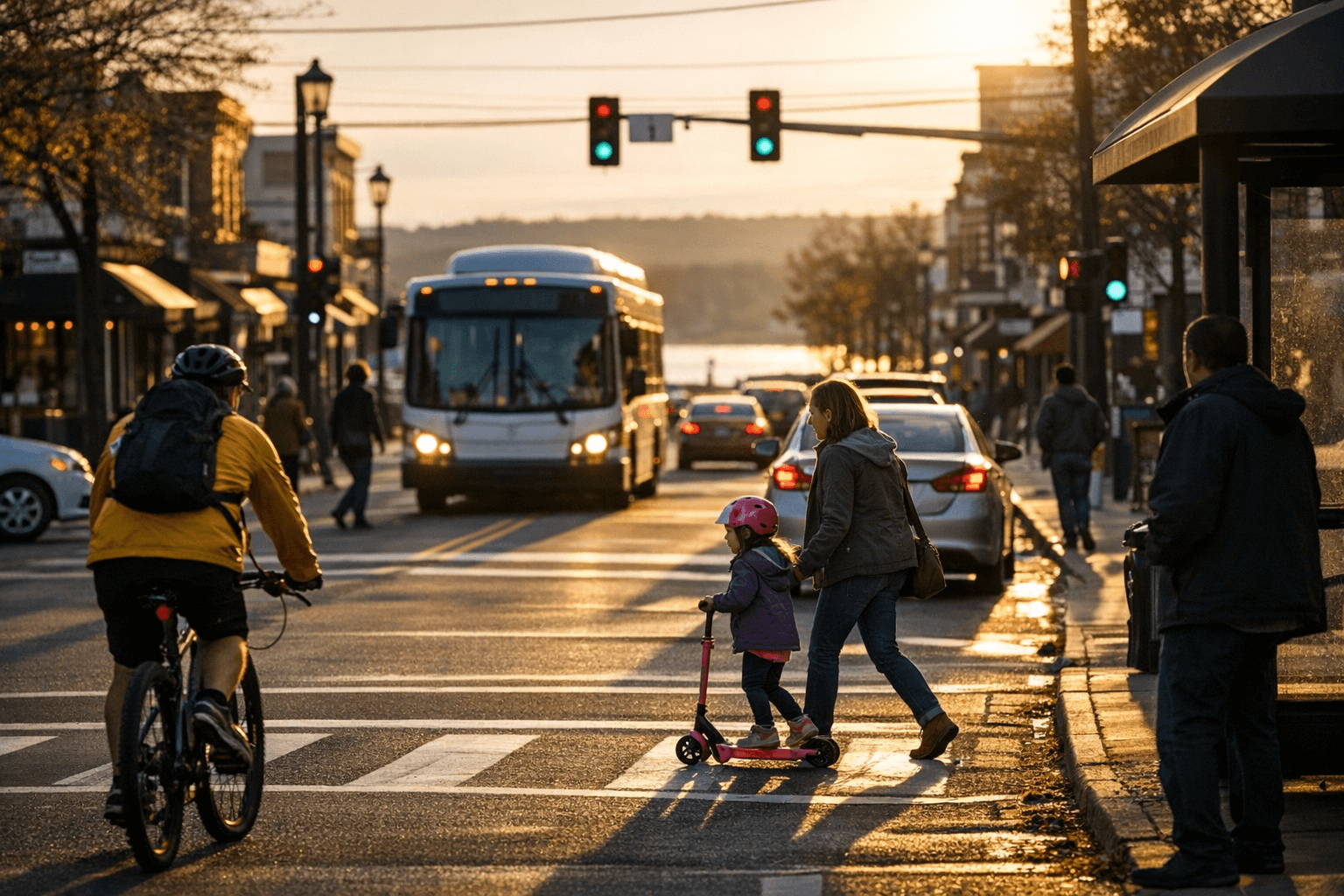
The policy applies to projects under city jurisdiction, and implementation will depend on choices the advisory committee and city managers make about priorities and resources. Commissioners emphasized the intent to integrate Complete Streets practices into long range planning and capital budgeting, which may shift how the city sequences and scopes future work.
The unanimous vote indicates broad council support for multimodal planning, and the city described local feedback as largely positive. As the advisory committee is formed residents and community groups will have opportunities to engage with the process and to influence measurable goals that determine how streets are redesigned across Traverse City.
Know something we missed? Have a correction or additional information?
Submit a Tip