Traverse City approves tax break for 520 Railroad housing project
A 5-2 vote gave 520 Railroad a 3% tax break for 15 years, clearing 75 apartments near The Filling Station, including 57 workforce units.
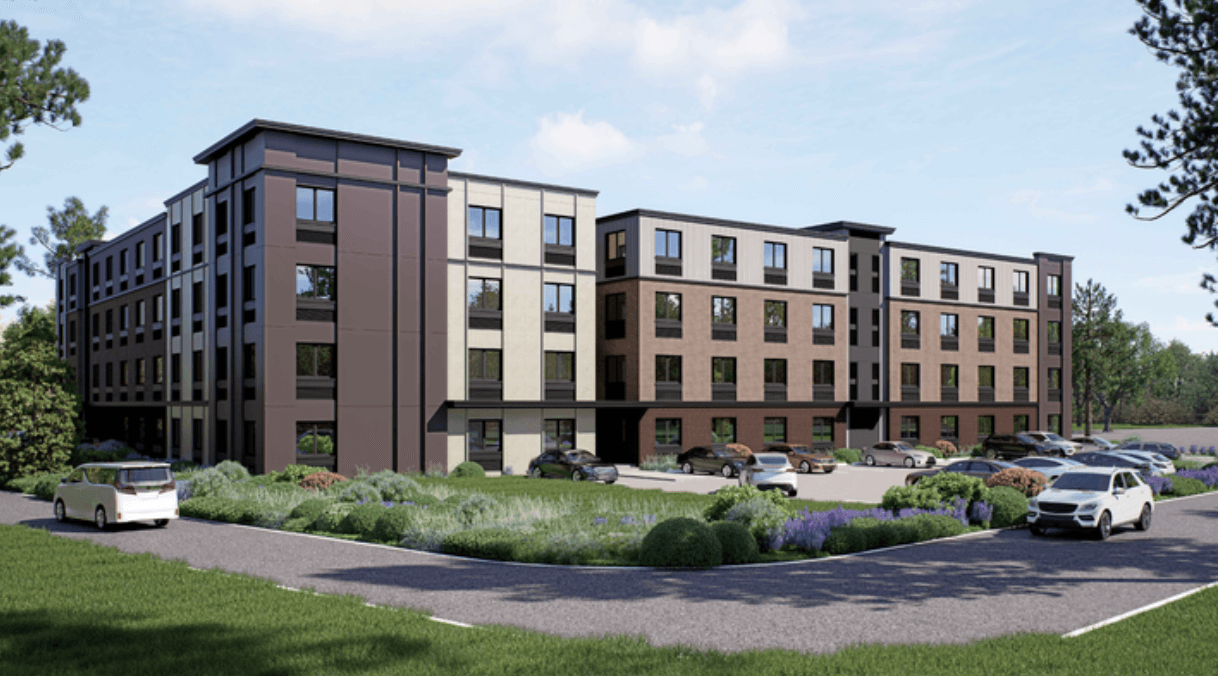
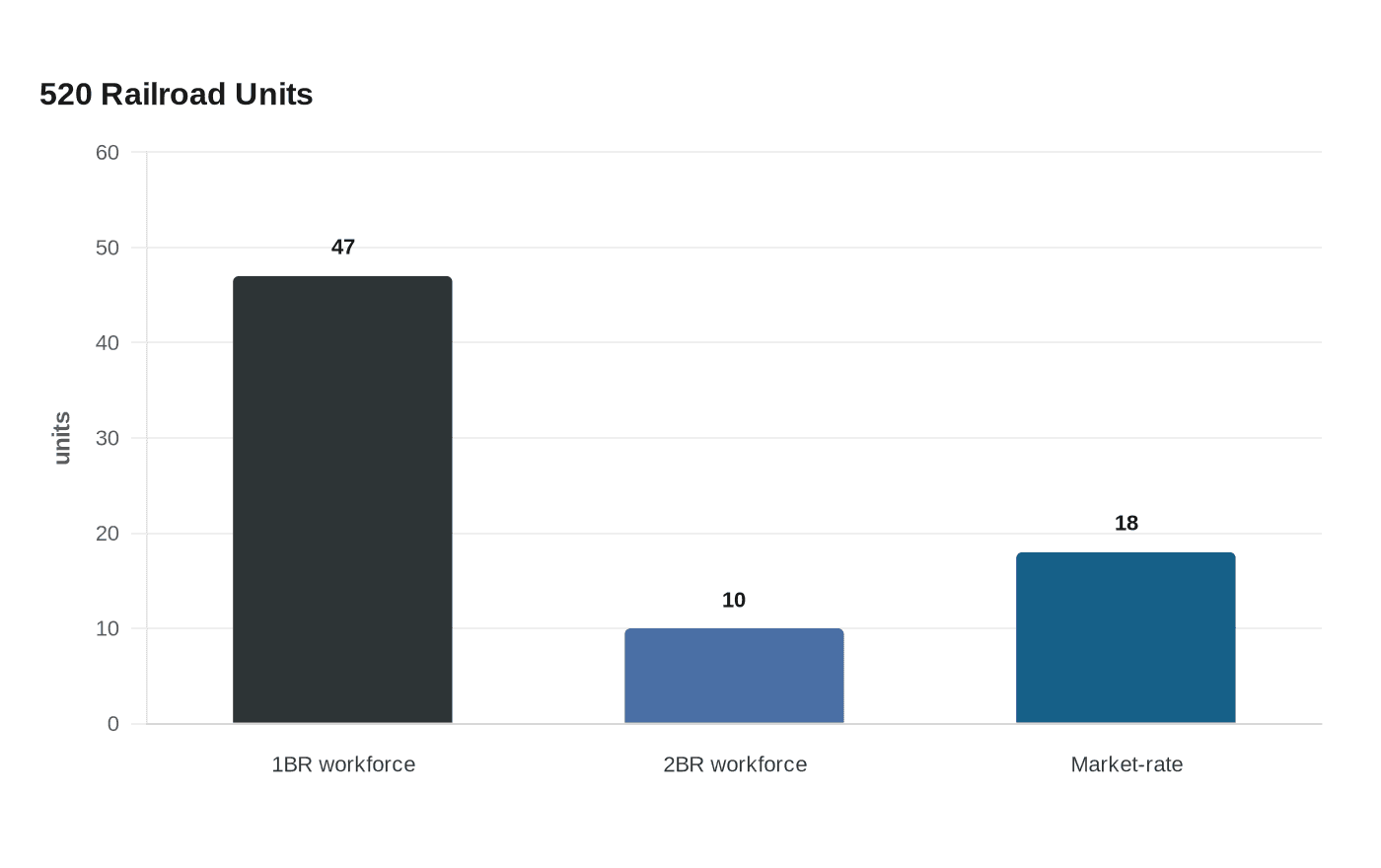
Traverse City commissioners gave the proposed 520 Railroad apartment project a major boost Monday, approving a 3% PILOT tax exemption for 15 years in a 5-2 vote. The deal clears the way for 75 apartments on Railroad Place near The Filling Station Microbrewery, where John Socks and ShoreNorth plan 57 workforce units alongside 18 market-rate units.
Commissioner Jackie Anderson and Mayor Amy Shamroe voted against the package, underscoring the central split over whether the city should trade tax revenue for more attainable housing near downtown. The project calls for 47 one-bedroom workforce units and 10 two-bedroom workforce units, plus 18 market-rate two- and three-bedroom apartments. Construction is slated to begin in 2026, with completion expected in 2027.
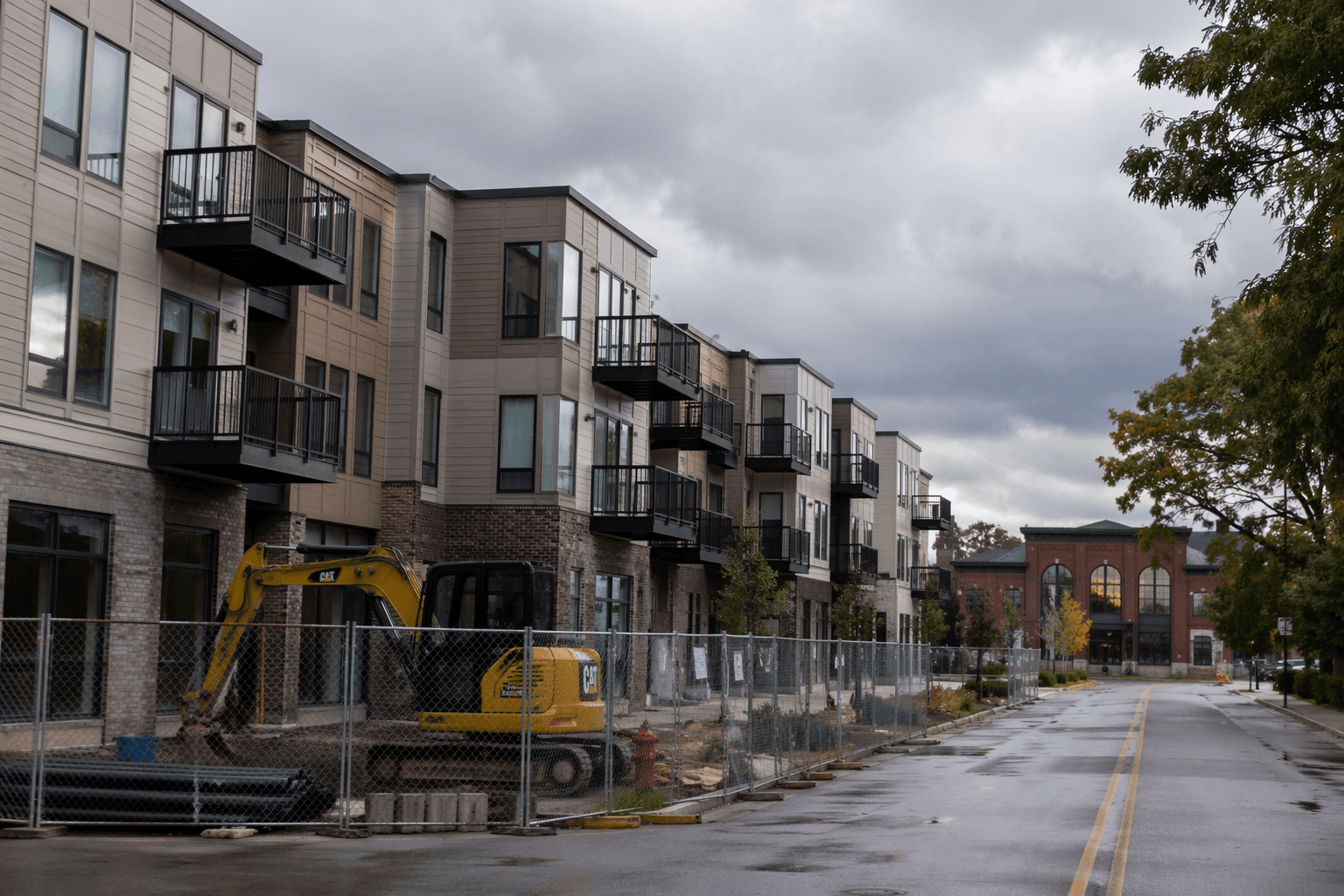
The development would sit on Railroad Place and would include both a vacant parcel and the Skegemog Gardens property. That location puts the project close to the city’s rail corridor and the Depot neighborhood, where housing pressure has long collided with limited buildable land and rising costs.
Traverse City’s authority to approve the PILOT deal stems from state legislation approved in December 2022, which the city described in February 2023 as giving local governments more discretion to back workforce-housing projects without the former requirement of state or federal tax credits. In practice, that has given city leaders another tool to push projects forward when financing is tight.
The 520 Railroad vote also follows another recent use of the same policy tool. In May, commissioners approved a 35-year PILOT for 16 East Eighth units, a deal city leaders said would preserve workforce housing and help create more of it, while reducing city revenue by about $26,000 a year. Together, the two actions show how Traverse City is leaning on tax incentives to try to widen the housing pipeline, even as each new subsidy request raises the question of how much public revenue the city is willing to defer to get apartments built.
This article was produced by Prism’s automated news system from verified source data, official records, and press releases, then run through automated quality and moderation checks before publishing. The system is built and supervised by the people who set the standards it runs under. Read our full AI policy.
Know something we missed? Have a correction or additional information?
Submit a Tip