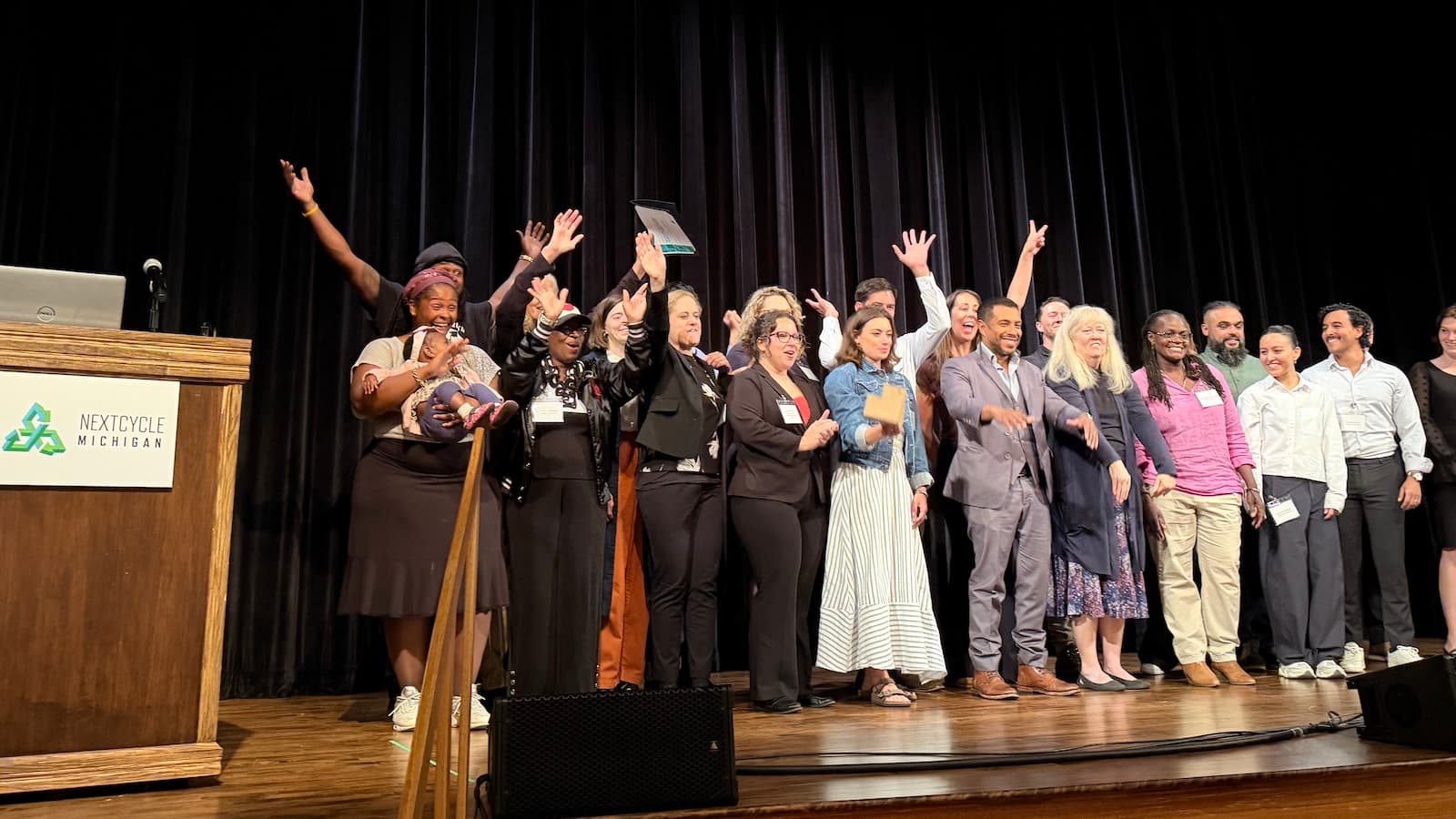
Traverse City co-op visit highlights state food-distribution grants
Traverse City's MI Farm Co-op was held up as a model for Michigan's new food-distribution grants, aimed at fixing refrigerated transport gaps and getting local produce to more tables.
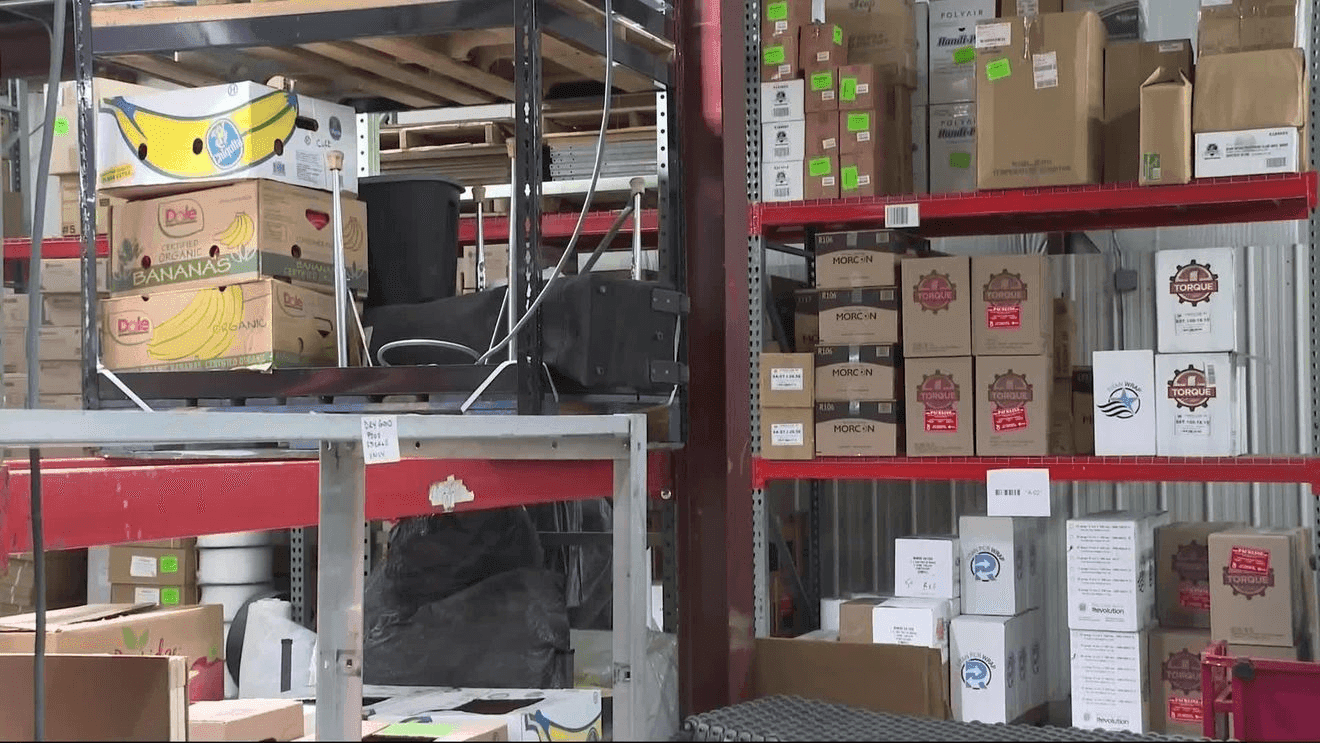
A Traverse City food co-op that already works with 26 growers became a concrete example of what Michigan's new Last Food Mile grants are meant to fix: the trucks, freezers and distribution gaps that still keep local food from reaching shoppers, schools and restaurants. Michigan Department of Agriculture and Rural Development Director Tim Boring toured MI Farm Co-op in Grand Traverse County as the state announced the grants, tying the policy directly to the logistics of moving Michigan-grown food from farm to buyer.
MDARD said the Last Food Mile program drew more than 130 applications statewide and will fund 21 projects that together are expected to support more than 300 Michigan food producers. The grants are designed to build transportation and distribution infrastructure for small and mid-sized producers, a focus the department says came out of community conversations that repeatedly identified logistics as a barrier for agribusinesses. For northern Michigan, that matters because refrigerated transport and last-step delivery often determine whether produce, meat and other foods reach institutions and households in time and in good condition.
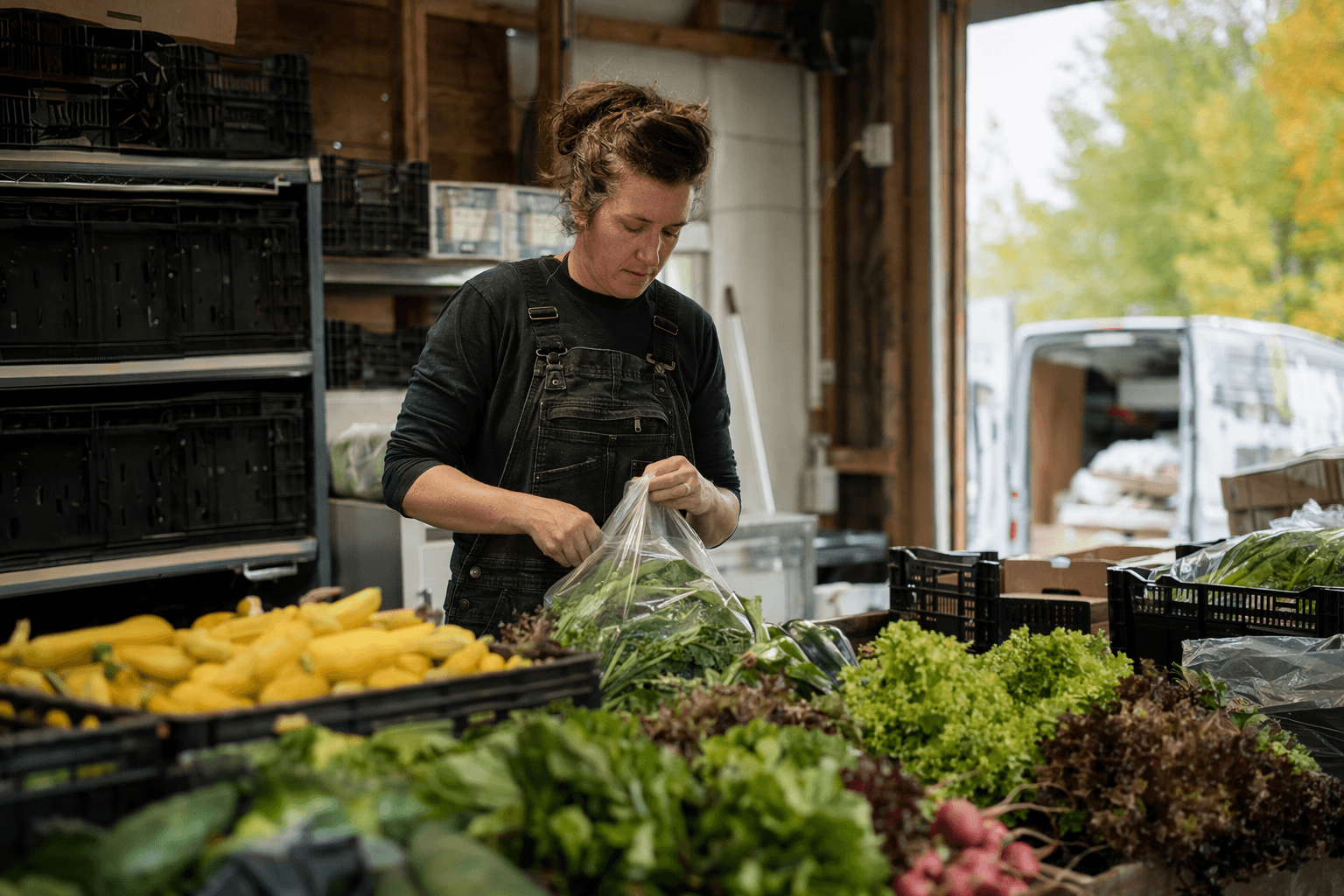
MI Farm Co-op shows how that system works on the ground. The Traverse City operation helps move products from growers to homes, restaurants and schools, making it the kind of regional hub the state wants to strengthen. In practical terms, that can mean better access to local apples, vegetables, meat and other foods for Grand Traverse County residents, while giving farmers a more dependable outlet for what they grow. When distribution improves, growers can sell more consistently, and buyers can get fresher food with less waste.
Boring said rising diesel costs and distribution gaps remain major obstacles to getting locally grown food to market. The timing of the grant award also matters: MDARD launched Last Food Mile on December 16, 2025, set a February 6 deadline at 5 p.m. ET, and then moved to award the funding in May. The department said the program is part of its Farm to Family Program, which aims to strengthen market opportunities for Michigan producers while increasing access to local foods for families.
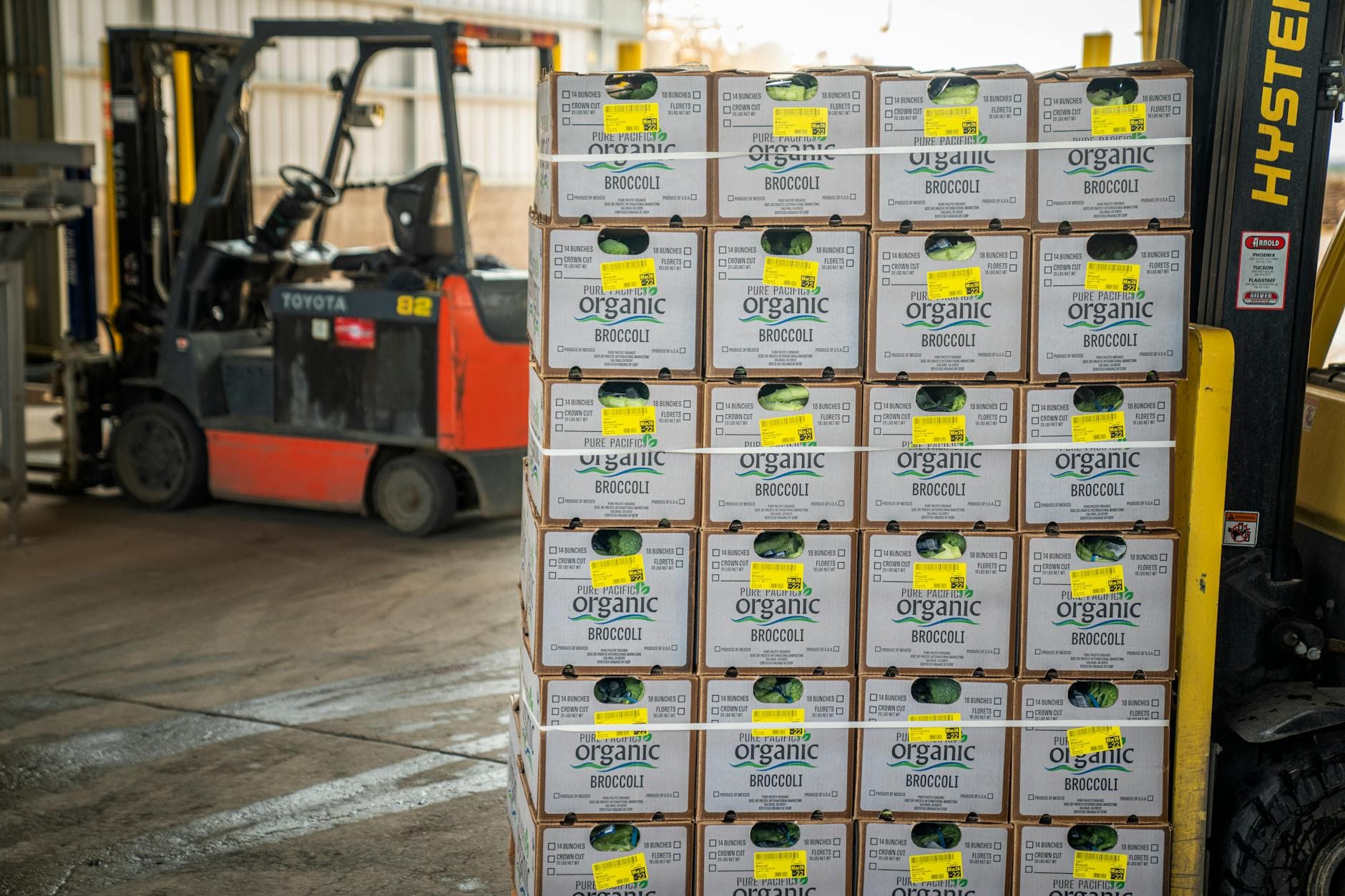
The state pointed to an earlier Farm to Family grant, Food Hubs and Farm Stops, as proof the model can move food at scale. MDARD said that support led to more than $1 million in local food purchasing and moved more than 140,000 pounds of produce and protein around Michigan. Boring, who previously served as the USDA Farm Service Agency’s State Executive Director, has framed the issue as one of farm economics as much as food access. In Grand Traverse County, where agriculture, tourism and small business overlap, the payoff first goes to the places that depend on steady deliveries: schools, restaurants and households that need reliable access to fresh local food.
This article was produced by Prism’s automated news system from verified source data, official records, and press releases, then run through automated quality and moderation checks before publishing. The system is built and supervised by the people who set the standards it runs under. Read our full AI policy.
Did this article answer your question?