Traverse City considers mobile parking payments, higher fines
Traverse City weighed mobile parking payments and higher fines, a change that could make downtown stops easier while hitting repeat violators harder.
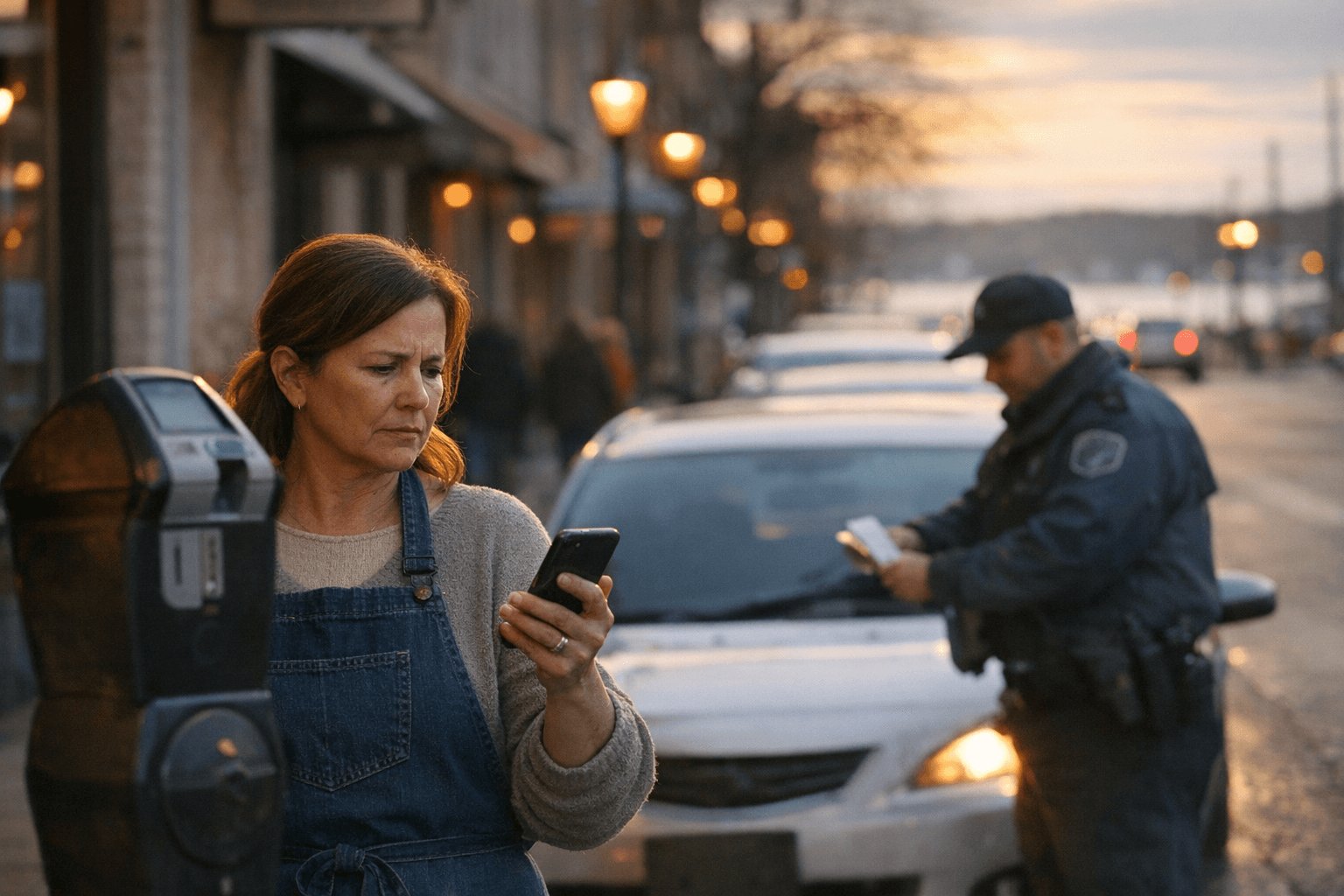
Traverse City weighed a parking code overhaul that would let drivers pay by phone and pay more when they ignore the rules. The proposal put convenience and enforcement on the same table, with city officials trying to modernize a system that affects shoppers, diners, employees, residents and visitors downtown.
The biggest day-to-day change would come from mobile payments. For anyone used to handling errands from a phone, the shift would make parking less of a hassle and could shorten the time it takes to feed a meter or extend a stay. In a downtown where curb space is tight and turnover matters, that convenience could matter as much as the price itself. Visitors on short stops would be able to park, pay and move on without hunting for coins or returning to a meter.
The tougher side of the proposal was fines. Higher penalties would send a clear signal that the city wants stronger enforcement and fewer repeat violations. That matters in Traverse City’s busy core, where long-stay vehicles can tie up spaces that merchants need for customers and where parking confusion can push people away from restaurants, shops and offices. The city’s logic is simple: if parking is too loose, turnover suffers; if enforcement is too weak, drivers treat limited curb space like storage.
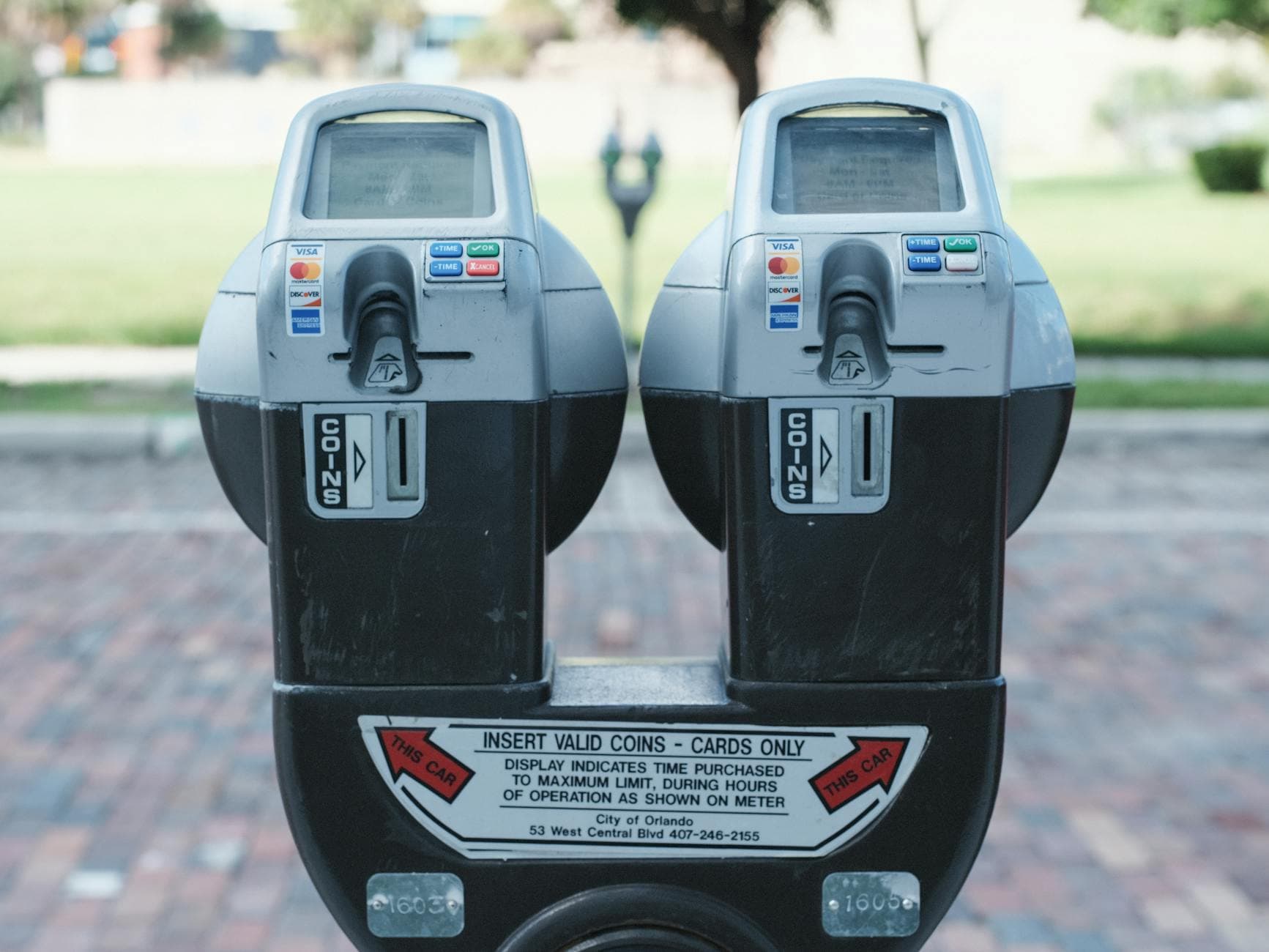
The change also carried a pocketbook question for nearly everyone who parks downtown. People who follow the rules would likely benefit from faster, easier payment. People who do not would feel the new policy through stiffer fines and a more assertive enforcement posture. For the city, the proposal looked like a balance of revenue, order and convenience, with officials signaling that the old system no longer fit a downtown shaped by steady seasonal tourism and heavy short-term demand.
If adopted, the plan would not just update parking. It would reshape how often people interact with meters, how much they risk if they overstay and how efficiently downtown spaces turn over during the busiest hours.
This article was produced by Prism’s automated news system from verified source data, official records, and press releases, then run through automated quality and moderation checks before publishing. The system is built and supervised by the people who set the standards it runs under. Read our full AI policy.
Did this article answer your question?