Traverse City DDA Proposes Study on Downtown Rent Pressures Facing Small Businesses
Traverse City's DDA wants to study downtown commercial rents as buildings held by the same owners for 50+ years hit the market, threatening a district that's 97% locally owned.
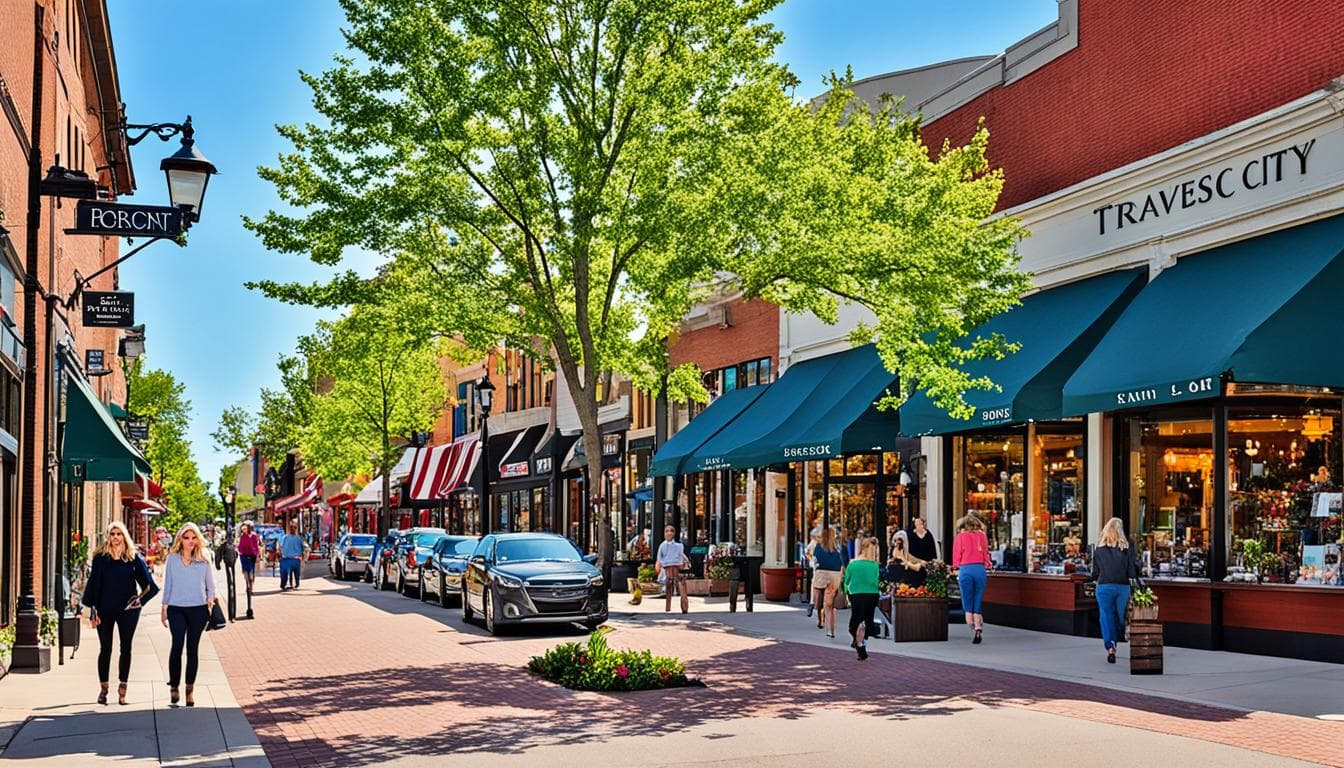
Buildings that sat under the same ownership for more than half a century are now going up for sale in downtown Traverse City, and the Downtown Development Authority wants to understand what that wave of turnover means for the small businesses paying rent inside them.
DDA Executive Director Harry Burkholder raised the issue at a recent board meeting, proposing that the authority commission a formal study of downtown commercial rental rates. The goal: determine how rising rents and shifting property ownership could affect a retail district where, by one measure, nearly 97 percent of storefronts are locally owned. The DDA's own Moving Downtown Forward market assessment put a related figure at 94 percent, finding that nearly all retail and restaurant tenants are either one-of-a-kind shops or "chainlets," regional operators with only a handful of locations.
"Just given the dynamics of our downtown, I think it's something that we want to get ahead of if possible," Burkholder said.
The proposed study would update commercial market data collected as part of the DDA's Moving Downtown Forward plan and examine what other communities have done to prevent displacement of independent retailers. The DDA is exploring a funding partnership with Traverse Connect, the regional economic development organization, though no formal agreement has been announced.
The urgency behind the proposal is grounded in numbers that show how dramatically the downtown real estate market has shifted. Over the last 25-plus years, property values in the TIF 97 district increased nearly 300 percent. The Old Town TIF district saw a 34 percent increase over the same period. Grand Traverse County itself grew by nearly 10 percent in the last decade, ranking it the second-fastest growing county by percentage in Michigan, a surge that has fueled demand and driven up commercial rents throughout the urban core.
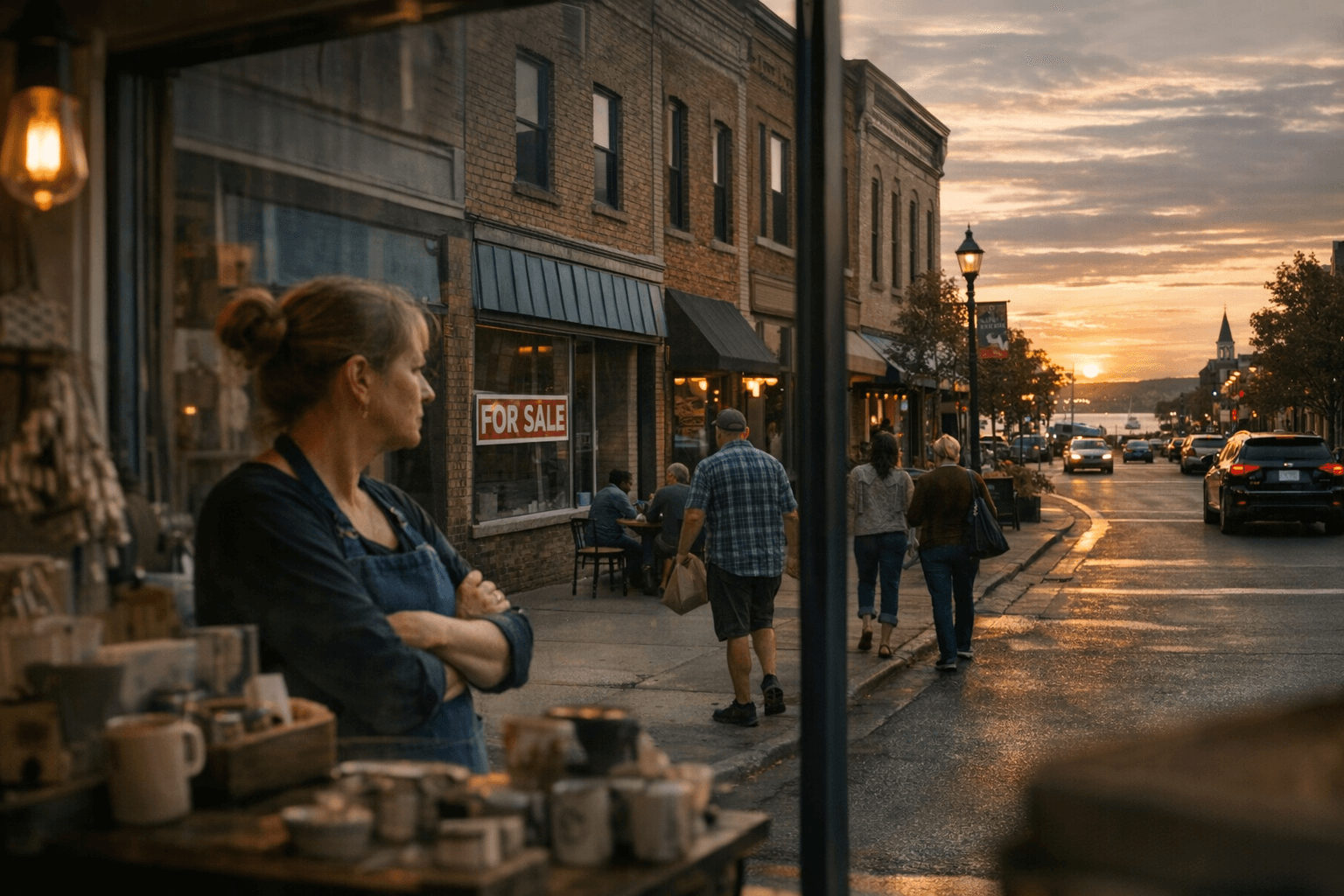
Business owners say those rent increases don't stay contained to their balance sheets: the added costs get passed along to customers. That feedback, combined with the ownership changes Burkholder flagged at the board meeting, is what prompted the DDA to consider commissioning the study now rather than waiting for displacement to accelerate.
"Most people that we talk to appreciate the small, local, independent businesses that we have downtown. It's part of our identity, it's part of our character," Burkholder said. "And so any way that we can help better understand that and plan for the future, something that this office should be doing."
The stakes reflect a tension embedded in downtown Traverse City's own success. The DDA's Moving Downtown Forward plan notes that when the authority was formed 45 years ago, its challenge was to attract businesses to a largely vacant downtown. Today the problem is the inverse: a real estate market so strong that it threatens to price out the independent storefronts that made Front Street a regional destination in the first place. The plan explicitly warns that "this remarkable and cherished retail experience is at risk as rents increase and pressures of displacement mount," and acknowledges that some of the obstacles the DDA now faces cannot be resolved through its existing operating and financial models.
Key details about the study remain unresolved, including its scope, methodology, budget, timeline, and whether Traverse Connect will formally commit funding. The DDA has not announced a scheduled vote to authorize the commission.
This article was produced by Prism’s automated news system from verified source data, official records, and press releases, then run through automated quality and moderation checks before publishing. The system is built and supervised by the people who set the standards it runs under. Read our full AI policy.
Did this article answer your question?