Traverse City housing relief limited, affordable projects could take years
Traverse City is leaning on zoning, PILOTs and city land, but the biggest affordable projects still trail the need by years. The voucher waitlist is closed.
Traverse City leaders are relying on zoning changes, PILOT agreements and city-owned land to push housing forward, but the units that could ease pressure on workers and renters are still years away from delivery. That leaves employers, schools and service agencies stuck with a shortage that has already outpaced the city’s ability to respond.
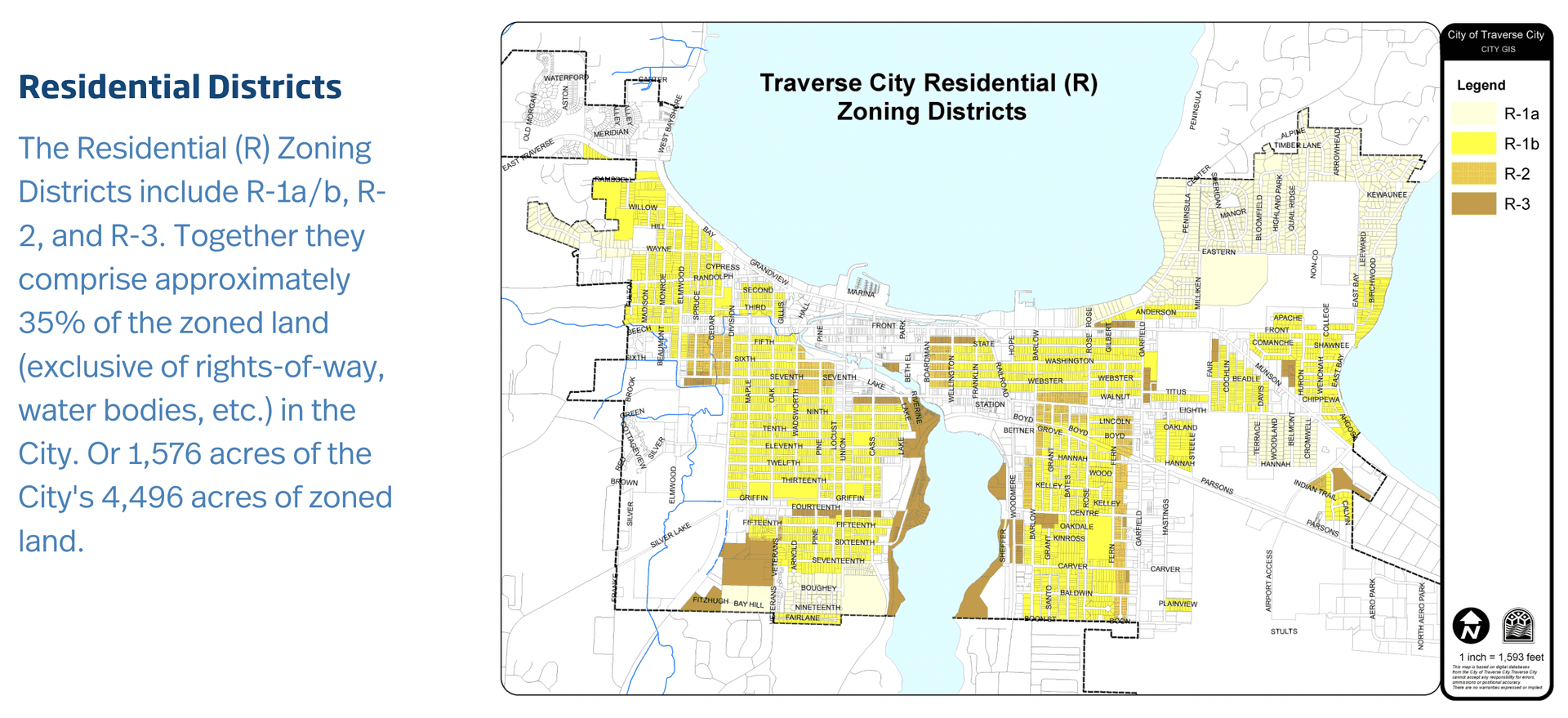
The City of Traverse City says its housing strategy now rests on density-friendly zoning, smaller rental units, partnerships that use PILOT agreements and the identification of city-owned properties where affordable housing can be built. Those are meaningful tools, but they are slow tools. They can shape what gets built next, not solve the shortage already baked into the market.
One of the clearest examples is Annika Place II. In June 2024, the Michigan State Housing Development Authority approved $16.9 million for the $18 million project, which is expected to add 52 affordable units in Traverse City. That includes 19 permanent supportive housing units, 33 general-occupancy units and five accessible units. Another local project, Orchardview Apartments on Carter Road, was tied to a PILOT agreement to rehabilitate 21 existing family townhomes and build two new apartment buildings with 30 units.
Those projects matter, but they also show the scale problem. Traverse City planners said in 2022 that 632 housing units across 16 developments were in the pipeline within city limits, yet the mix still fell short on variety and affordability. A 2025 study session added another warning sign: Michigan State Housing Development Authority official Tony Lentych said the median homebuyer age has climbed from 36 in 1981 to 56 today, and more than half of Michigan renters spend over a third of their income on housing.
For people trying to live near work, the existing safety net is tight. The Traverse City Housing Commission says it manages a Housing Choice Voucher program and public housing, but public waitlist information shows the voucher waitlist is closed. A public housing listing says the commission manages about 348 assisted housing units, including 327 vouchers and 21 public housing units.
The affordability gap is still visible in the numbers. Bridge Michigan reported Grand Traverse County’s median home price at about $390,000, while the county’s median income could support a $329,000 house. A Traverse City community overview also projects the city’s median household income at $70,223 in 2027, underscoring why attainable housing remains a stubborn issue across Grand Traverse County and northwest Michigan.
Advocates are urging the city to preserve enough options for locals and workers who keep the Traverse City economy running, even as more developers chase higher-end projects. The immediate reality is simple: Traverse City has housing tools in motion, but the relief they produce will arrive slowly, not all at once.
This article was produced by Prism’s automated news system from verified source data, official records, and press releases, then run through automated quality and moderation checks before publishing. The system is built and supervised by the people who set the standards it runs under. Read our full AI policy.
Did this article answer your question?