Traverse City leaders weigh TIF ballot question, Hickory Hills outsourcing
Commissioners will weigh a TIF-97 ballot question that steers about $5 million a year downtown, alongside outsourcing Hickory Hills operations. The vote could shift city spending, staffing and control.

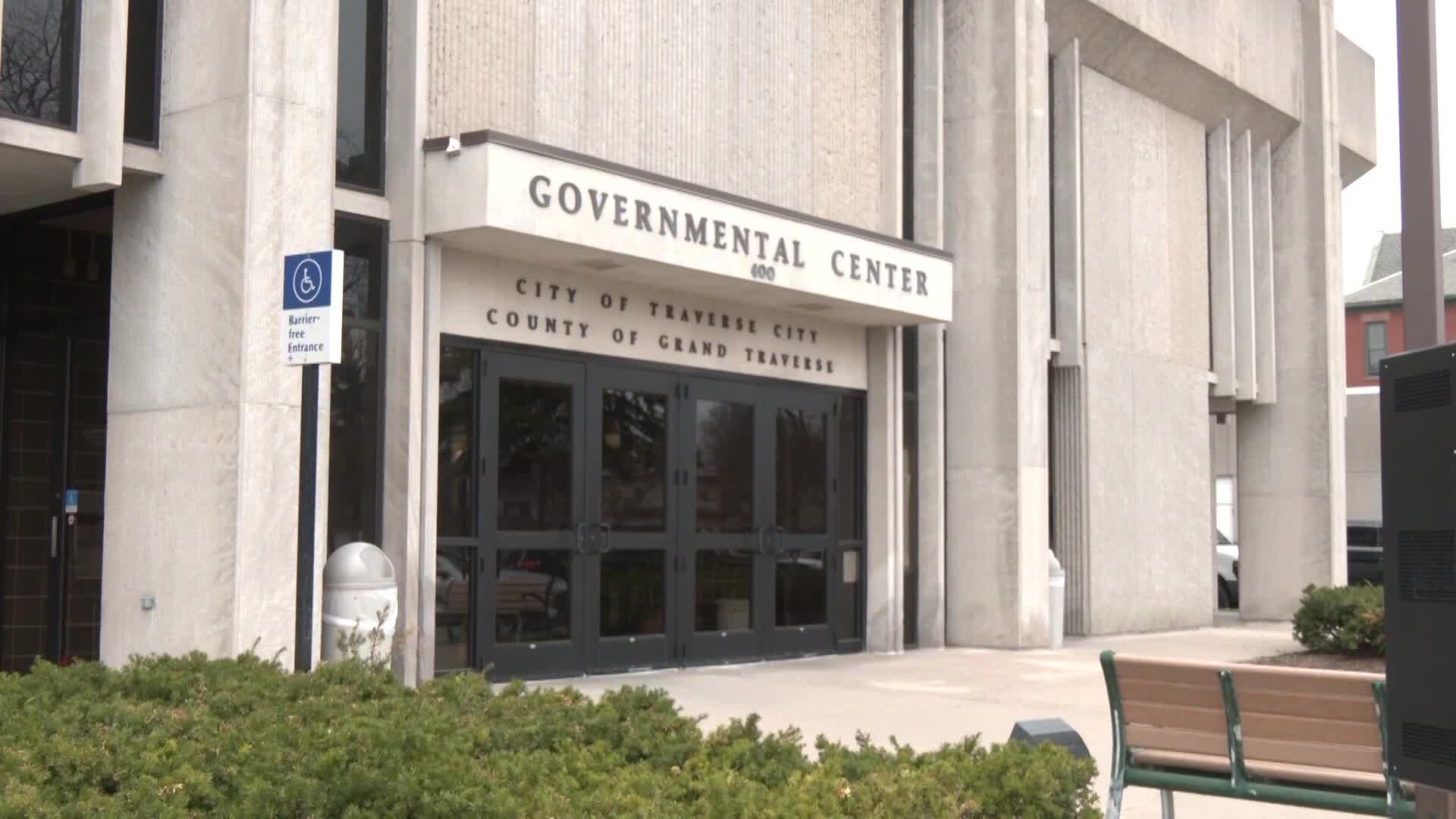
Traverse City commissioners will weigh a TIF-97 ballot question and the possible outsourcing of Hickory Hills operations, two moves that could shift downtown dollars, staffing and day-to-day control of a public recreation site. The discussion comes after an earlier fight over ballot wording and as residents watch how much of the city’s future tax growth stays in the downtown district versus flows back to Traverse City and other taxing units.
The Traverse City Downtown Development Authority calls the proposal the “Infrastructure First TIF Plan,” an amendment and extension of TIF-97 designed to reinvest TIF revenue into public infrastructure and services that support downtown. The DDA says the plan centers on walkability, accessibility, water quality, safety, cleanliness and support for local independent businesses. The current TIF plan generates about $4.8 million to $5 million each year for services that mostly stay in the downtown area.
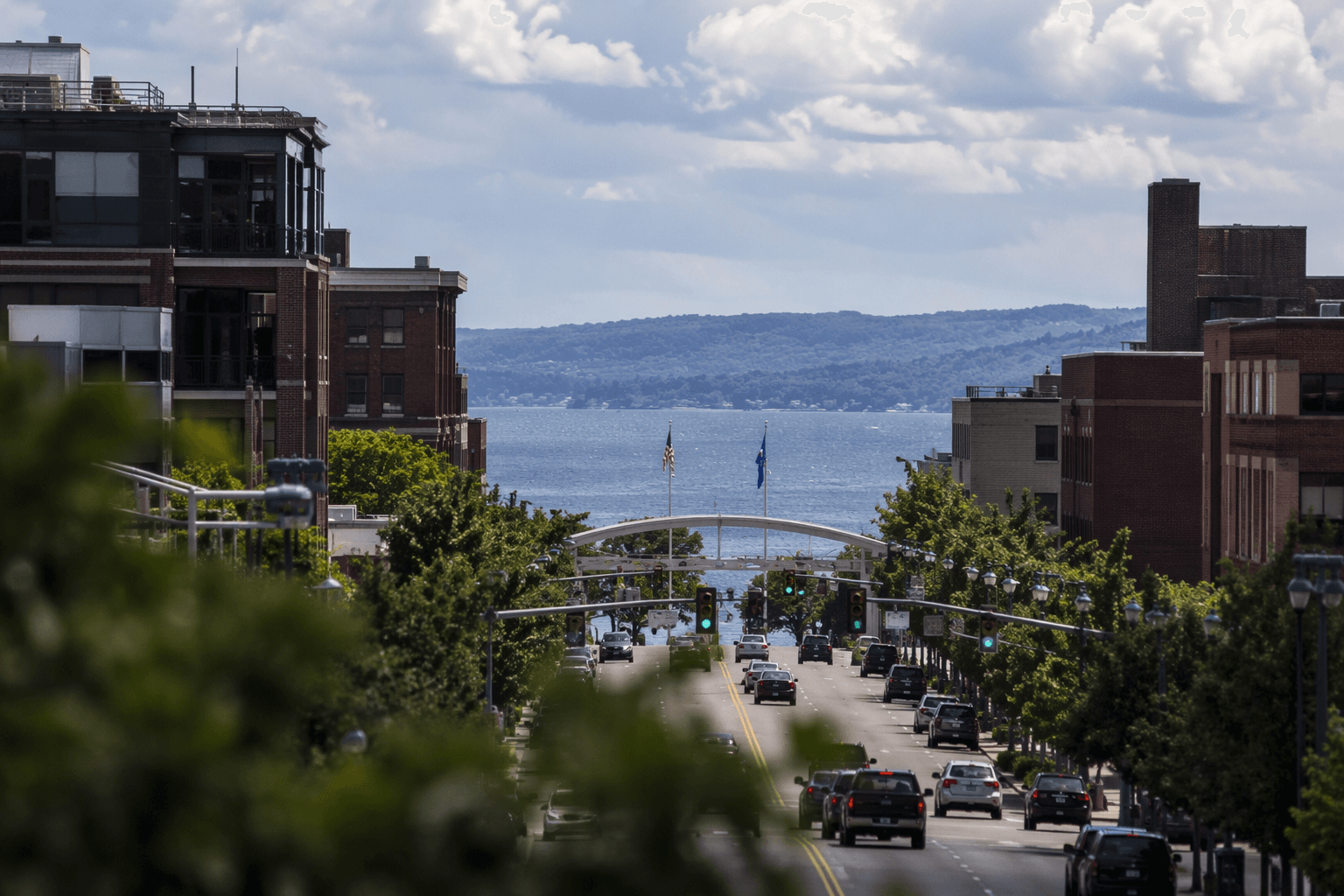
A June 19 report said the new plan was meant to replace TIF 97 and could go before voters on Nov. 3, 2026 if commissioners approve it. Plat Street reported that commissioners supported extending the plan at a reduced capture rate, a change that would return more revenue to the city and other taxing jurisdictions than the current setup. That question goes straight to how Traverse City finances sidewalks, streets and other downtown improvements, and how much tax growth remains available for the broader city and county tax base.
The ballot language itself has already been contested. On July 6, 2026, 9and10 News reported that commissioners rejected wording for the downtown TIF plan. Record-Eagle reported that commissioners did not approve the TIF-97 ballot language, leaving Monday’s meeting as the next step in a process that is still unfinished.
The Hickory Hills item carries a different set of stakes. Outsourcing can change who runs a facility, what staffing model is used and how much the city spends over time. Hickory Hills is one of Traverse City’s most visible public assets, and the city has continued to keep a hand on it through a Hickory Hills Advisory Committee and a 2026 job posting for a Hickory Hills Manager.
Commissioners also took action at the site this spring, unanimously approving an agreement on March 25 with the Grand Traverse Conservation District to revive a summer day camp at Hickory Hills. That recent activity makes any move toward outsourcing less like a brand-new idea and more like a possible shift in how the city manages a property it still treats as an active public asset. Harry Burkholder has described the downtown tax plan as a “back-to-basics” approach, and Monday’s discussion will show whether city leaders want a similar reset at Hickory Hills.
This article was produced by Prism’s automated news system from verified source data, official records, and press releases, then run through automated quality and moderation checks before publishing. The system is built and supervised by the people who set the standards it runs under. Read our full AI policy.
Did this article answer your question?