Traverse City stabbing survivors guide plans for one-year remembrance
The Resiliency Center is asking survivors and families what July 26 should look like, putting their needs ahead of a scripted remembrance. That shift reflects how Grand Traverse County is still measuring recovery after the Walmart attack.
The one-year mark after the Traverse City Walmart stabbing is being approached less as a ceremony than as a test of whether the community can still listen to the people most affected. The Traverse Bay Resiliency Center is asking survivors, families and other impacted residents what kind of remembrance would actually help, a move that places lived need ahead of symbolism.
What the anniversary is trying to do
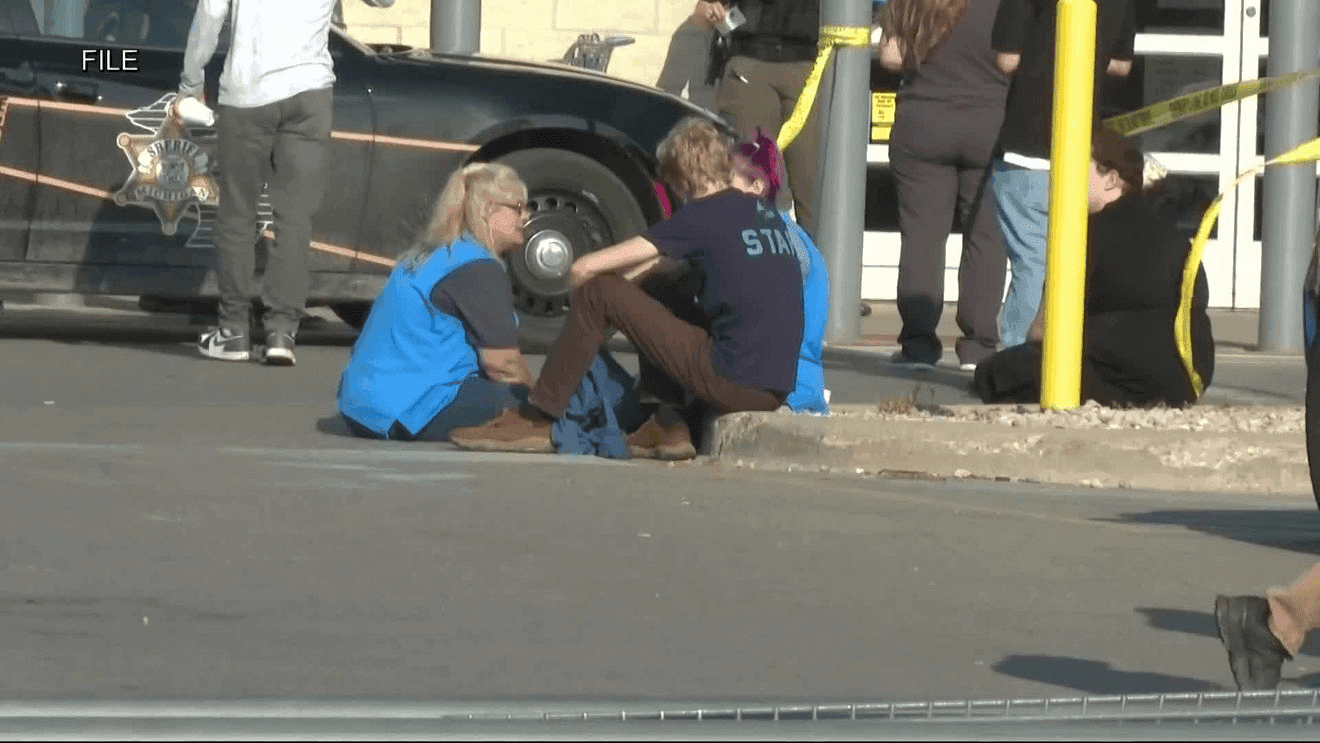
The attack on Saturday, July 26, 2025, happened around 5 p.m. at the Walmart on M-72 in Garfield Township near Traverse City. Eleven people were injured, and the suspect was identified as Bradford James Gille, 42, of Afton, Michigan. Court records tied to the case said he faced one count of terrorism and 11 counts related to attempted murder or assault with intent to murder, while bond was first set at $100,000 and later increased to $1 million.
That history hangs over the anniversary now because the date itself has become a major emotional marker for families and neighbors across Grand Traverse County. The question is not whether the community remembers, but how it does so without reopening harm for people who are still carrying the effects of that afternoon.
How the Resiliency Center is shaping the response
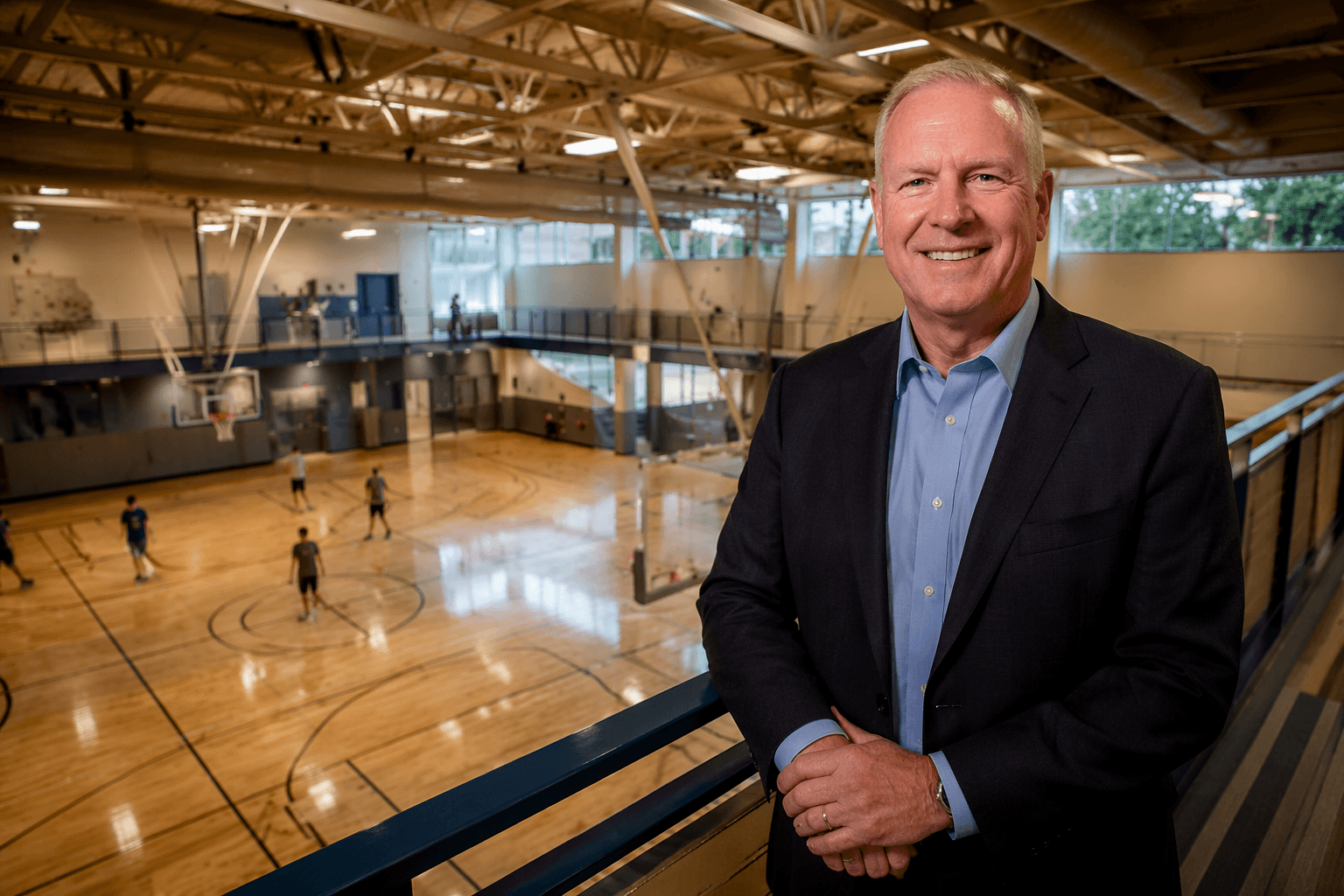
The Traverse Bay Resiliency Center, affiliated with the Traverse Bay Children’s Advocacy Center and led by director Nicole Kubon, is steering the planning. Instead of assuming what a meaningful observance should be, the center is surveying affected community members about what would be most helpful, with the hope of creating an intimate gathering for those most closely impacted.
That approach matters because trauma recovery rarely follows the public rhythm of a news cycle. Some survivors may want privacy and a quiet space. Others may want a public acknowledgment that does not erase what happened outside city limits in Garfield Township. Still others may need practical support, not speeches or formal remembrance, which is why the center is asking first and planning second.
The center’s strategy also reflects a broader lesson from mass trauma: an anniversary can become its own stressor if it is designed around appearances instead of need. By treating the date as something to prepare for, rather than simply mark, local organizers are acknowledging that healing has to be shaped by the people who lived through the violence.
What happened after the attack
Munson Healthcare said all 11 injured patients were eventually treated, released or transferred. A final update listed one patient in good condition, eight treated and released, and two treated and transferred as of Tuesday, August 5, 2025. By early August, all 11 were out of the hospital or transferred, and CBS Detroit reported that the victims ranged in age from 29 to 84.
Those details matter because they show the attack’s reach was not limited to one demographic or one corner of town. It affected people across a wide age span, and the physical injuries were only part of the aftermath. Even after the medical crisis passed, many residents were left to process fear, grief and the loss of ordinary safety in a place as familiar as Walmart on M-72.
The City of Traverse City addressed that reality in a public resource notice on July 27, 2025, saying the incident happened outside city limits but had a profound impact on the community. The city later created a July 26 incident resources page, underscoring that the need for support extended well beyond the scene itself.
Where support is still available
The local response has not been limited to one organization. The City of Traverse City’s forum materials for victims and family members promised information on recovery resources, what to expect in the months and years ahead, and coping with trauma, grief and depression. Those topics point to the kind of support many people need long after the immediate emergency has ended: help with sleep, anxiety, reminders, family strain and the stubborn return of memories at the worst possible moments.
The city’s police social-services work has also been organized under its RESILIENCE Program, which was rebranded in 2025 and had existed since 2022 within the police department’s social services division. That structure suggests local officials are trying to keep trauma response from disappearing once the headlines do. In a county where a single violent event can ripple through schools, workplaces and grocery aisles, continuity matters as much as compassion.
The remaining gap is not whether support exists in name, but whether it matches the shape of the harm. A one-size-fits-all ceremony would miss the point if some survivors need privacy, some families want a small gathering, and others simply want to know where to find help when the anniversary date arrives. The Resiliency Center’s decision to ask directly is an attempt to close that gap before July 26 becomes another source of distress.
What meaningful recovery looks like now
In practical terms, meaningful recovery in Grand Traverse County looks less like a polished event calendar and more like a reliable set of options. It means survivors and families can say whether they want a private remembrance, a public acknowledgment or no formal gathering at all. It means the city, the Resiliency Center and Munson Healthcare stay connected to the people still living with the event’s effects, not just the incident itself.
It also means recognizing that the response to the Walmart stabbing is part of Grand Traverse County’s long-term trauma capacity. The attack at M-72, the charges against Bradford James Gille, the hospital updates from Munson, the city’s resource notices and the Resiliency Center’s outreach all form one chain of response. The real measure of progress is whether that chain still holds when the calendar returns to July 26.
This article was produced by Prism’s automated news system from verified source data, official records, and press releases, then run through automated quality and moderation checks before publishing. The system is built and supervised by the people who set the standards it runs under. Read our full AI policy.
Did this article answer your question?