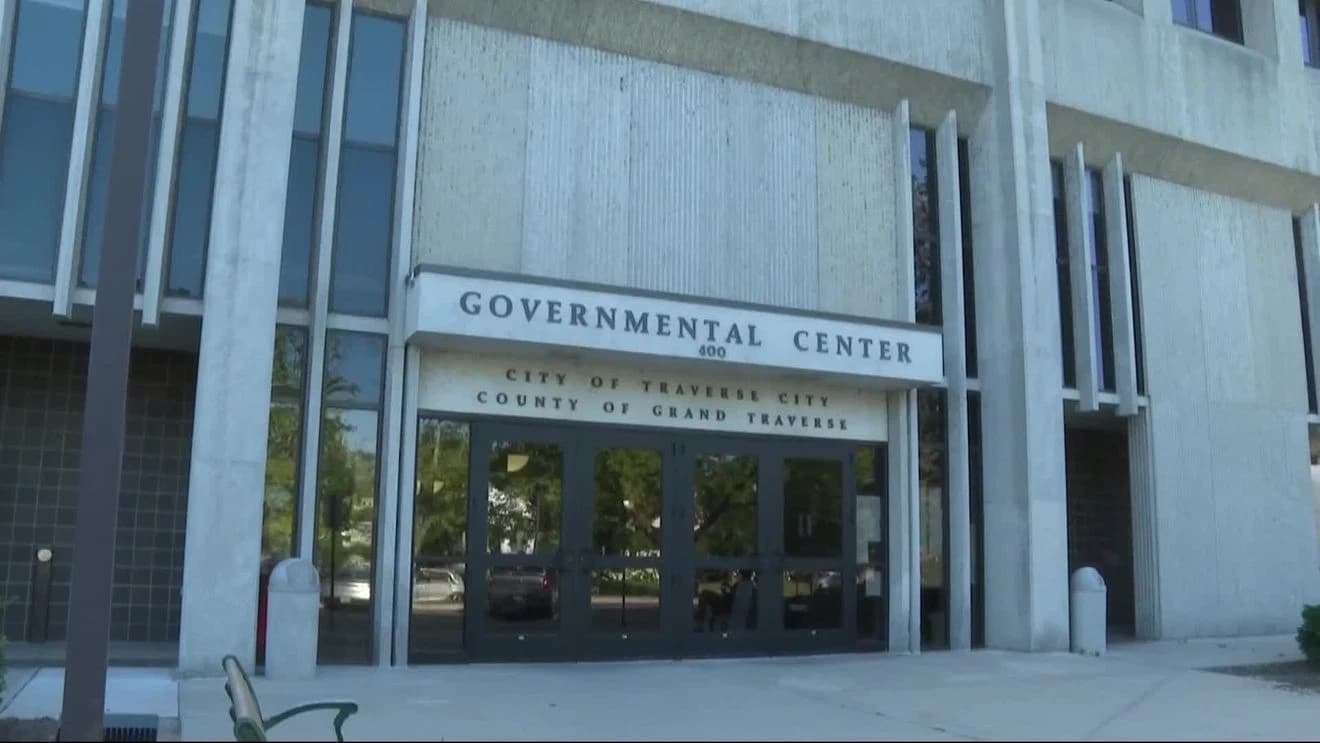
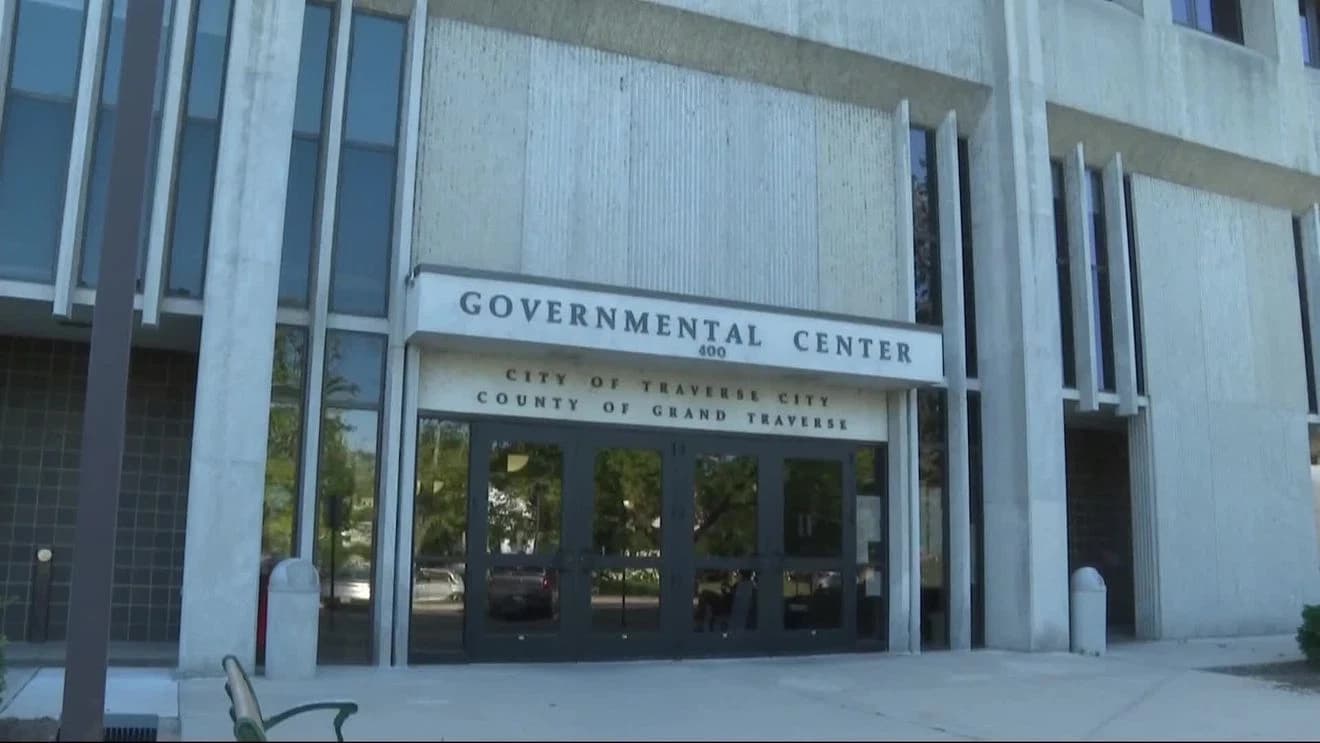
Traverse City voters to decide downtown funding plan on November ballot
State Street is now permanently two-way, and Traverse City voters will soon decide whether a $139.9 million downtown TIF plan stays in place.
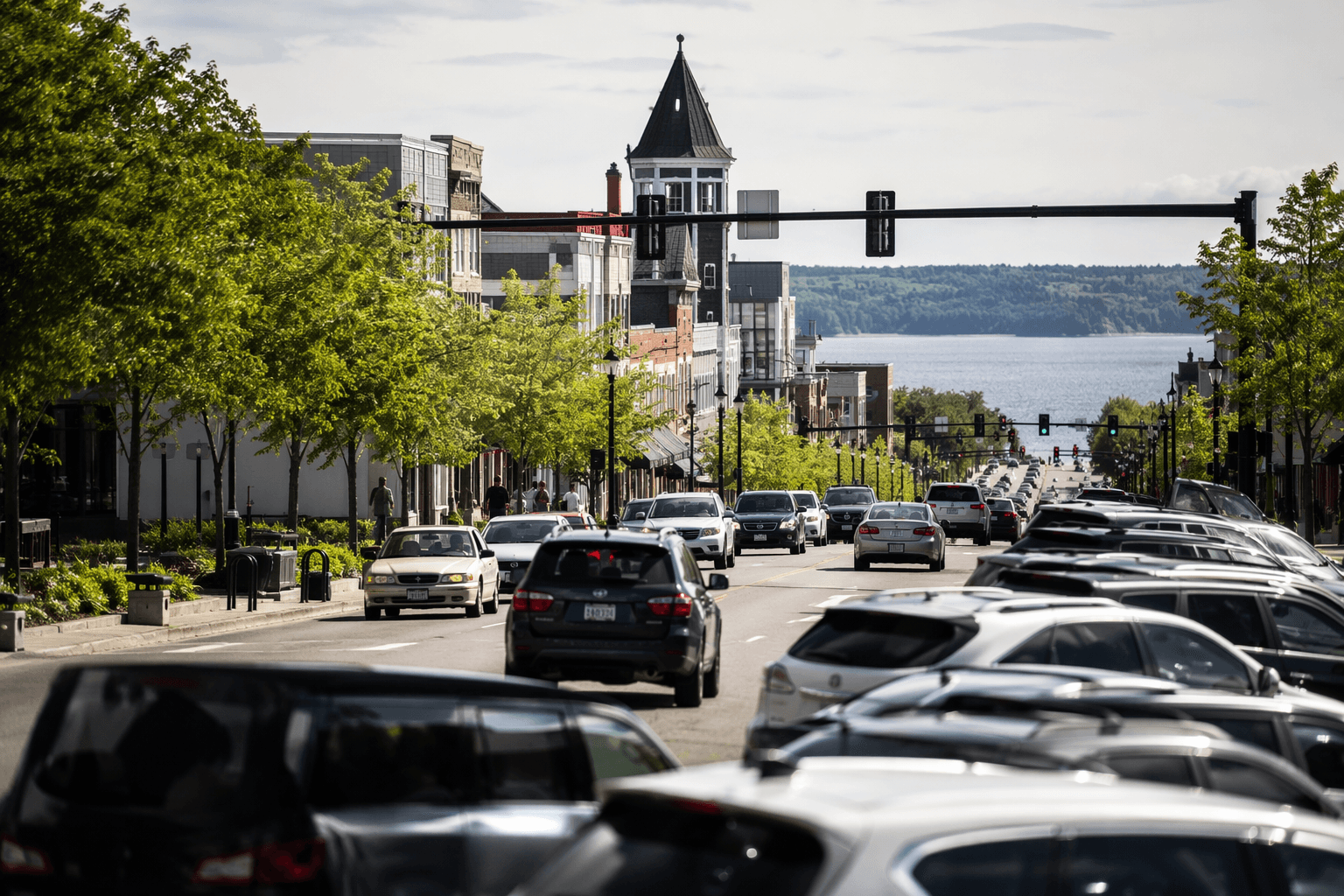
Traverse City commissioners voted 4-3 to make the two-way pattern on State Street permanent, locking in a change that will keep downtown drivers, pedestrians and delivery traffic moving through a slower, more walkable corridor. The same meeting also sent revised ballot language for the city’s Infrastructure First tax increment financing plan to the November ballot, attaching an estimated $139.9 million figure to the decision.
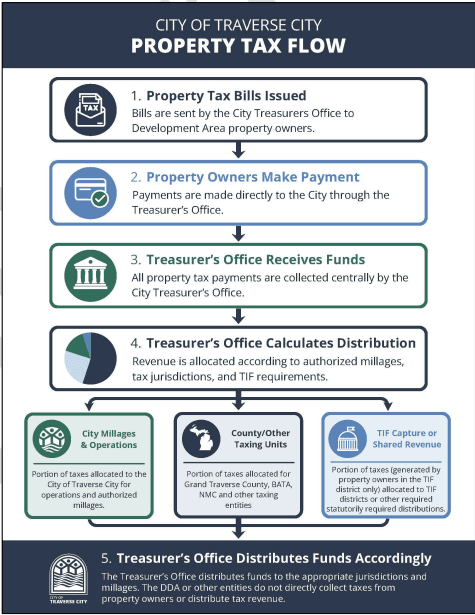
The funding question goes to the heart of how downtown projects get paid for. The Traverse City Downtown Development Authority approved the new 20-year plan on June 19 and forwarded it to the City Commission. The proposal would replace the expiring TIF-97 plan and return 30% of captured revenue to Grand Traverse County and other taxing entities, while preserving a major source of money for downtown infrastructure and public improvements.
City and downtown officials have framed the stakes in stark terms. Downtown TC says that if TIF-97 expires, Traverse City would lose regional tax revenue and take on 100% of the obligation for downtown infrastructure improvements. Plat Street reported in April that TIF Plan 97 expires Dec. 31, 2027, making the November ballot the key deadline for keeping the financing structure in place without interruption.
The downtown tax plan has been debated for years. In December 2023, the Downtown Development Authority unanimously voted to move ahead with extending TIF-97 for another 30 years under the name Moving Downtown Forward. By June, the DDA had shifted to the Infrastructure First framework, describing it as a new 20-year plan centered on infrastructure investment, day-to-day upkeep and revenue sharing with local partners.
The street vote adds a separate but closely connected decision for downtown users. The city’s State Street Two-Way Conversion project began as a two-year pilot from November 2022 through 2024, and a Jan. 9 city memo said the pilot covered State Street, Pine Street and Boardman Avenue. In February, commissioners were still weighing whether to make the two-way pattern permanent or revert to one-way traffic, and some raised concerns that State Street had not been engineered for two-way use and that the conversion had created unsafe conditions.
The July vote settled that debate for State Street, while leaving the broader financing fight to November. The same commission meeting also included consideration of a Hickory Hills contract with North Country Alpine Services, but the ballot language and the street pattern were the decisions with the widest effect on downtown’s future.
This article was produced by Prism’s automated news system from verified source data, official records, and press releases, then run through automated quality and moderation checks before publishing. The system is built and supervised by the people who set the standards it runs under. Read our full AI policy.
Did this article answer your question?