Widow leads Construction Hike for Hope after husband's suicide, urges change
Sarah Ellis will turn a Traverse City hike into a call for jobsite change after losing Darek Purgiel to suicide at 47.
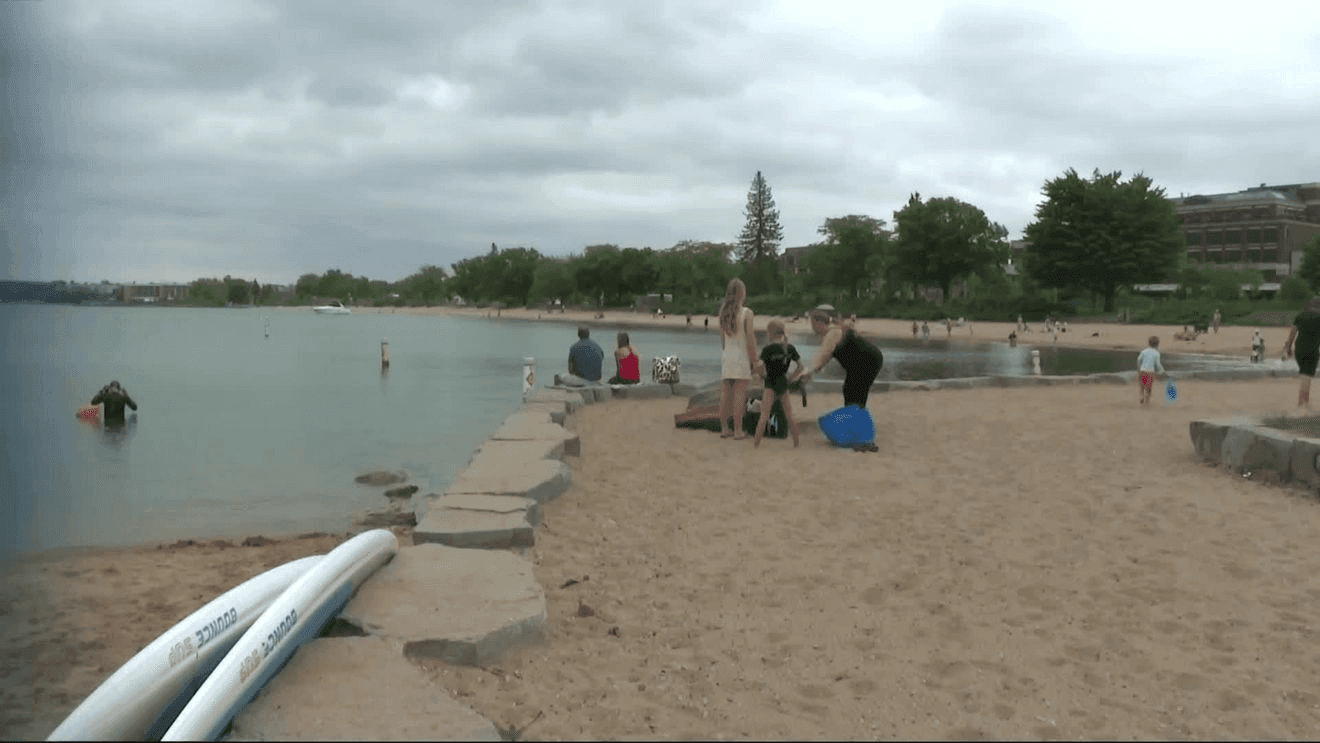
Sarah Ellis will use a Traverse City hike to press a harder question on Northern Michigan’s construction industry: whether jobsite culture, training and crisis resources have moved past talk and into daily practice. The Northern Michigan Construction Hike for Hope will be held May 17 at Hull Park and the Boardman Lake Loop Trail, with on-site registration starting at 10 a.m. and the program at 11 a.m.
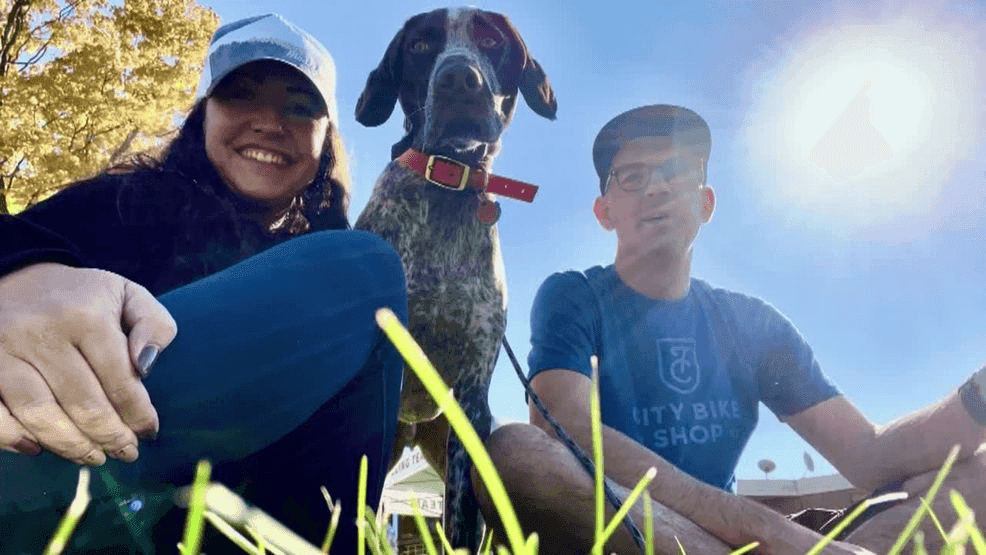
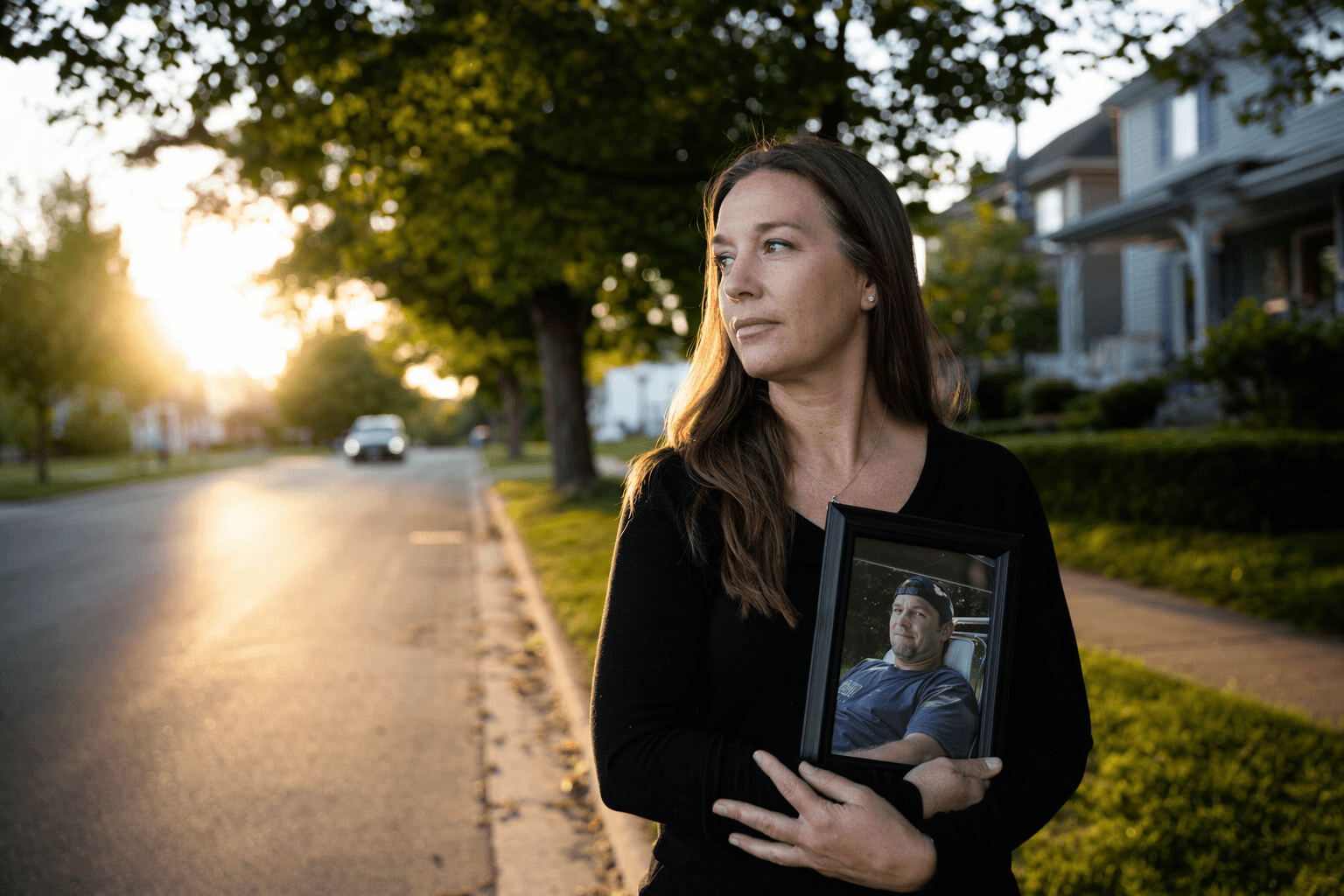
Ellis is organizing the event after the death of her husband, Darek David Purgiel, who died at home on May 10, 2025, at age 47. Purgiel was born Nov. 20, 1977, in Alpena, and he and Ellis had been together for seven years before marrying seven months before his death. Ellis has said she is speaking out to keep another family from facing the same shock and grief, and that she is not being quiet because silence does not help anyone learn or change.
The event lands in the middle of a national workplace safety crisis. The construction industry has the highest suicide rate of any major occupation group and the highest total number of suicides in the country, according to federal analysis. The Centers for Disease Control and Prevention has said major industry groups with the highest suicide rates included construction, while the Center for Construction Research and Training reported that construction workers accounted for 5,095 suicides in 2023, along with 982 fatal injuries. Although construction workers make up about 7% of the workforce, they accounted for about 20% of on-the-job fatalities.
That scale is why Ellis and other advocates are framing suicide prevention as a workplace safety issue, not simply a fundraising cause. Lauren Tucker of the Home Builders Association of Northwest Michigan said the problem is tied to stigma and jobsite culture, adding that 12 construction workers die by suicide each day and that the industry needs to start treating mental health the way it treats physical safety. Ellis has said crews can mark physical hazards on a site, and they should be able to see mental-health supports with the same clarity.
The push is not limited to one weekend in Traverse City. Michigan’s Department of Labor and Economic Opportunity and MIOSHA held a Construction Suicide Prevention Week event in Lansing on Sept. 8, 2025, working with construction firms and trade groups to share resources and reduce stigma. For Grand Traverse County and the surrounding region, the question now is whether those efforts are changing what workers actually find on the jobsite: training, visible support and a culture that treats mental health as a safety issue before another family is left to grieve.
This article was produced by Prism’s automated news system from verified source data, official records, and press releases, then run through automated quality and moderation checks before publishing. The system is built and supervised by the people who set the standards it runs under. Read our full AI policy.
Did this article answer your question?