Attorney General Announces $8.83M Settlement With Bethany Medical Center Over Urine Tests
State attorney general announces an $8.83M settlement with Bethany Medical Center over urine test billing, a resolution that affects local Medicare, Medicaid and TRICARE patients.
The North Carolina attorney general announced that Bethany Medical Center, P.A., and its founder, Dr. Lenin Peters, agreed to pay $8,828,890 to resolve allegations that the High Point–based independent medical group improperly billed federal and state health care programs for medically unnecessary urine drug tests. The settlement was announced Jan. 27 and the agreement was signed Dec. 18, according to public reporting.
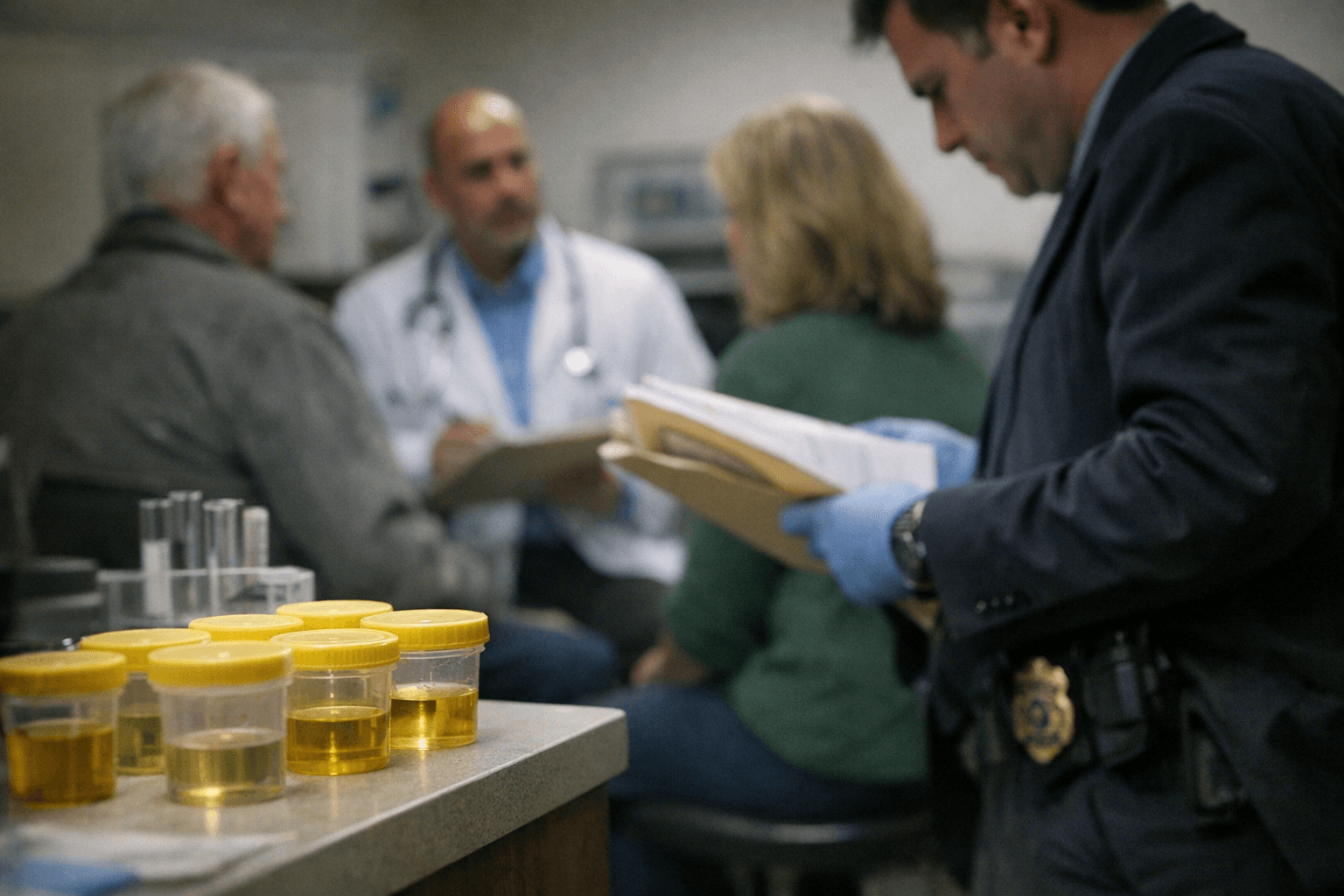
State officials say the case centers on an alleged practice of ordering monthly urine drug testing for patients prescribed opioids for chronic pain regardless of individual medical need. The attorney general’s office identified the relevant period as Jan. 1, 2018, through July 21, 2023, and says Bethany billed Medicare, Medicaid and TRICARE for those tests. The claims were brought under the False Claims Act by a former Bethany employee through the qui tam whistleblower process.
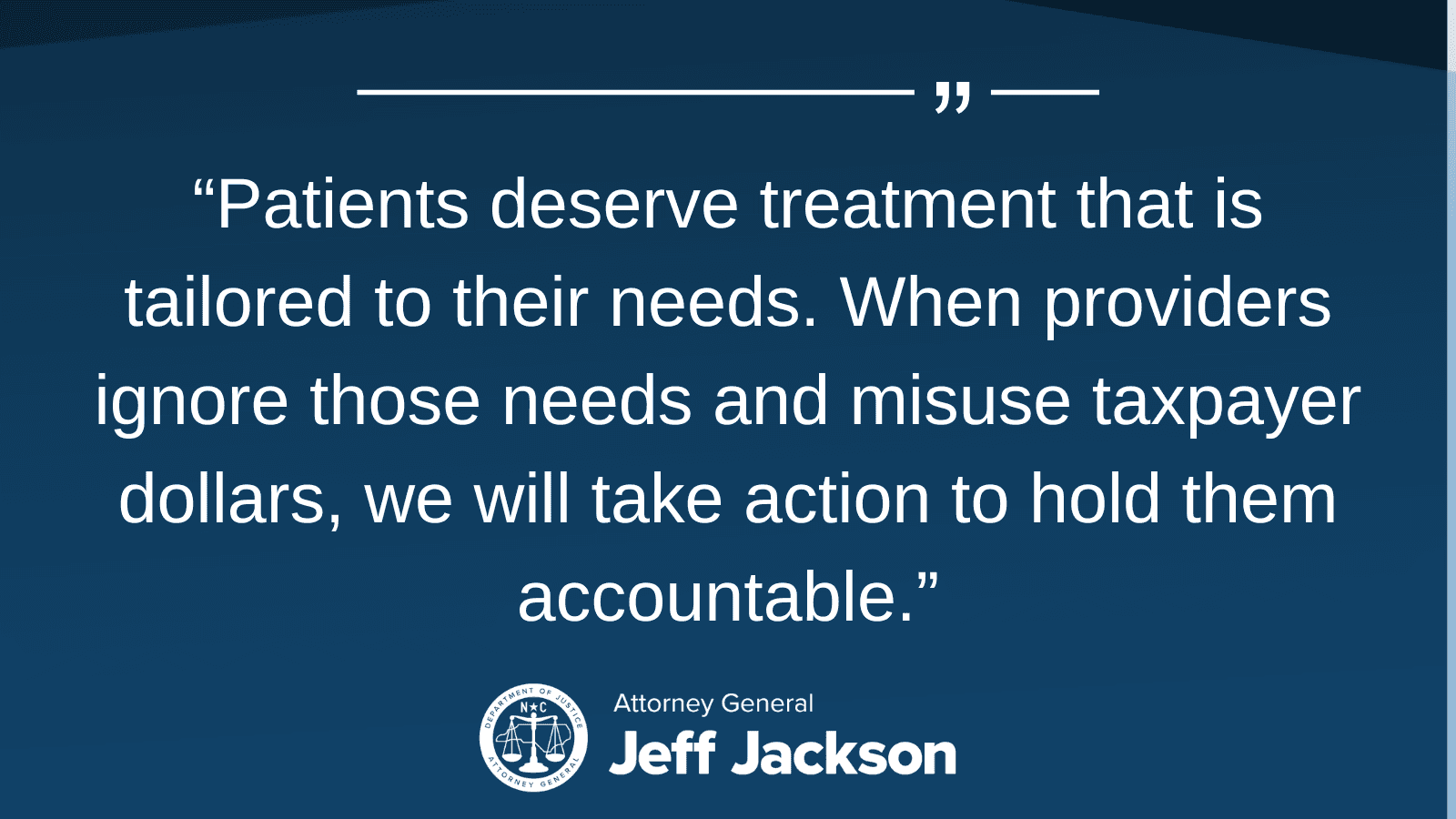
Attorney General Jeff Jackson framed the settlement as both a patient-care and taxpayer issue: “Patients deserve treatment that is tailored to their needs. When providers ignore those needs and misuse taxpayer dollars, we will take action to hold them accountable.” The case was handled in collaboration with the U.S. Attorney’s Office for the Western District of North Carolina, the U.S. Department of Health and Human Services Office of Inspector General, and the Defense Criminal Investigative Service.
Officials emphasized that the settlement resolves allegations only and that there has been no determination of liability. One report states that the allegations were dismissed as part of the settlement, while the agreement itself makes clear the payment does not constitute an admission of liability. Journalpatriot quoted settlement language saying the defendants denied the allegations and “settled ‘to avoid the delay, uncertainty, inconvenience and expense of protracted litigation.’” The same reporting noted the agreement “is neither an admission of liability by the defendants nor a concession by federal and state officials that their claims aren’t well founded.”
Bethany Medical Center provided a full statement defending its actions and explaining the choice to settle: “Bethany Medical is committed to strict compliance with all applicable laws and regulations and to maintaining the highest standards of integrity in all aspects of patient care. While we deny the allegations set forth by the government, we chose to resolve this legacy matter relating to reimbursement of certain urine drug tests to avoid the expense and distraction of protracted litigation. Bethany Medical believes that all urine drug tests ordered were reasonable, medically necessary, and in the best interest of our patients to ensure the safe and proper use of prescription medications. Our patients are our top priority, and, looking ahead, our focus remains on providing world-class healthcare for the Triad area.”
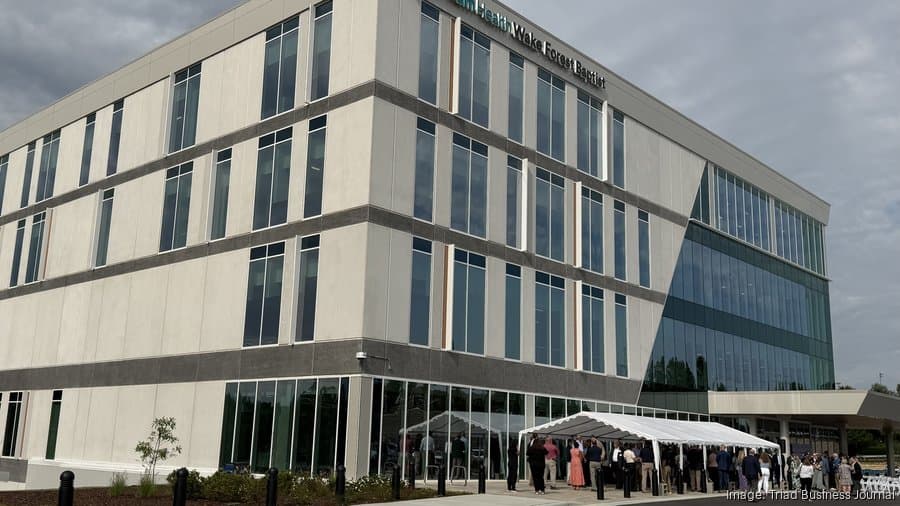
Bethany operates about 15 locations across the Triad, including a clinic on Lindsay Street in High Point and sites in North Wilkesboro, and serves many patients covered by public programs. Beyond the financial recovery, the case raises local public health and equity questions: routine, blanket testing can strain trust between clinicians and patients, disproportionately affect people on Medicaid and Medicare, and divert taxpayer dollars from direct care.
The settlement agreement filed in U.S. District Court includes a requirement that Bethany notify the government within 90 days of any unallowable costs it submitted; the government may seek recoupment of those costs with interest and penalties. For patients receiving opioid therapy, a practical step is to ask your clinician how often urine drug tests are ordered and how results inform treatment. Journalists will review the court filing to clarify open questions about how the $8,828,890 will be allocated, whether any compliance monitors are required, and how many patients or tests were involved. The outcome underscores increased enforcement scrutiny of prescribing and monitoring practices and signals that state and federal authorities will continue to pursue alleged misuse of health care funds.
This article was produced by Prism’s automated news system from verified source data, official records, and press releases, then run through automated quality and moderation checks before publishing. The system is built and supervised by the people who set the standards it runs under. Read our full AI policy.
Did this article answer your question?