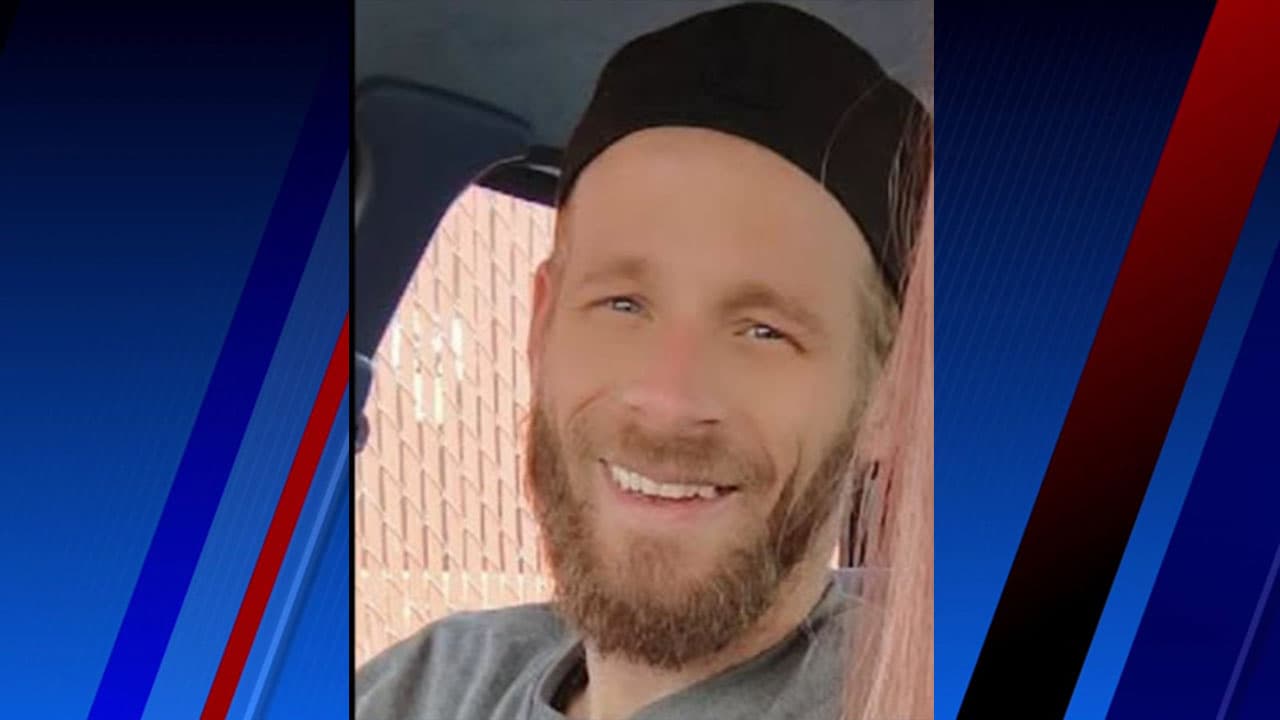
Dayton Police Chief Afzal Headed to Senior Role in Greensboro
Roughly 80 residents rallied at GPD headquarters for an inside hire the night before Dayton police chief Kamran Afzal's move to Greensboro became public.
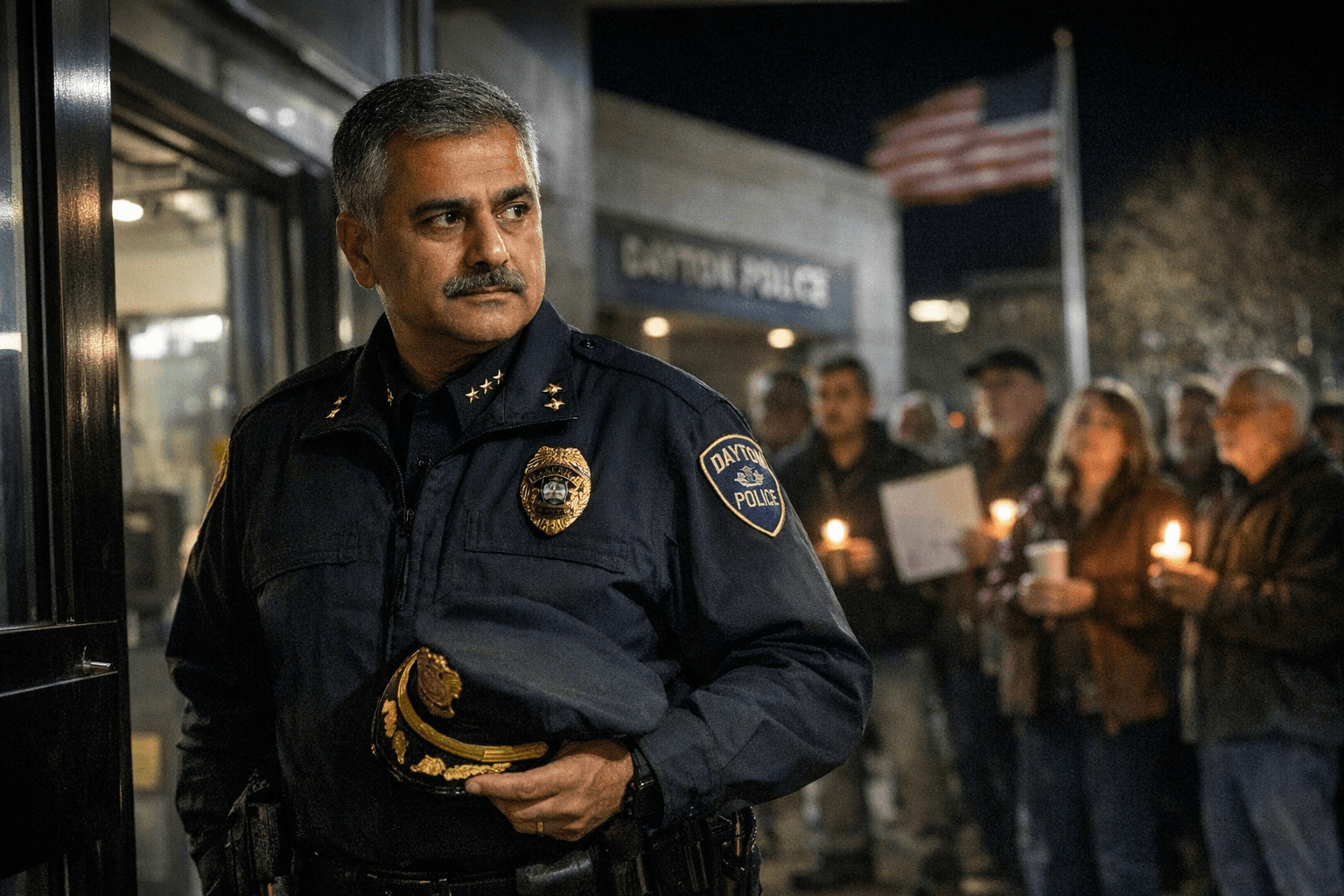
Roughly 80 Greensboro residents massed on the steps of police department headquarters Monday night, holding signs in support of Assistant Chief Stephanie Mardis and demanding the city promote from within. The next day brought the news they had gathered to preempt: Dayton City Commissioner Darius Beckham confirmed that police Chief Kamran Afzal told Ohio city administrators he would accept a position as police chief in Greensboro and step down from leading the Dayton Police Department. Greensboro declined to confirm the hire, saying it would not comment on unofficial information and would announce once the hiring process is complete.
Afzal has led the Dayton department for more than four years, sworn in on Dec. 20, 2021, following the retirement of former chief Richard Biehl. His record gives Greensboro a preview of what he is likely to prioritize. At a Dec. 1 news conference attended by Gov. Mike DeWine, Afzal reported that violent crime in Dayton had fallen roughly 18 percent for the year. "I am definitely going to miss his leadership," Beckham said. "I think he has been a very pivotal and relatable leader for the police department. He's certainly been an asset to the city."
The position Afzal is stepping into opened when Chief John Thompson retired in late February 2026 after more than 20 years with the department. Thompson joined the Greensboro Police Department in 2003, having started his law enforcement career in 1988 with the Asheboro Police Department, and worked through narcotics, resource management and patrol before serving as assistant chief and then being named chief in 2022. He notified city leaders of his plans weeks before departing, saying he wanted to spend more time with his family, including his young twins. Under the department's chain of command, Interim Chief Teresa Biffle assumed day-to-day operational authority after Thompson's exit and holds that role until a permanent appointment is formally announced.
The department Afzal is expected to inherit carries real institutional pressure. Thompson identified violent crime and police-community relations as the top challenges when he was first installed as chief, and recruitment and retention have remained persistent strains. Thompson himself framed his legacy in terms of culture rather than metrics: "Every remarkable achievement in recent months and years is rooted in the exceptional people who work in every division of this department. You've made me incredibly proud to serve with you."
That culture question sits at the heart of the rally. The protesters calling for Mardis were asking for someone shaped by Greensboro streets, not an outside record. Mayor-elect Marikay Abuzuaiter captured the standard Thompson set, saying he "took everything that the community said to heart when he first took over the position" and was "the epitome of what you want a police chief to be." Assistant City Manager Nathanael Davis, describing what community forums said they wanted in a successor, cited "a people-centered approach to law enforcement" as the defining trait.
To run the search, Greensboro hired Developmental Associates to gather input from officers and community members while conducting a national process. That process appears to have reached its conclusion, though the city has yet to say so publicly. Whether Afzal's 18 percent crime reduction in Dayton carries over to a city that ranks among North Carolina's most violent will define his standing well before the year is out. Biffle holds the department in the meantime.
This article was produced by Prism’s automated news system from verified source data, official records, and press releases, then run through automated quality and moderation checks before publishing. The system is built and supervised by the people who set the standards it runs under. Read our full AI policy.
Did this article answer your question?