DHS Charlotte Operation Detains More Than 130, Raises Local Concerns
On November 18 the Department of Homeland Security led an operation in Charlotte that detained more than 130 people, and DHS reported that 44 of those detained in the first two days had prior criminal histories. The operation has prompted officials and community organizations across the Piedmont Triad, including Guilford County, to monitor local impacts and to press for clarity on public safety, transparency, and community protections.
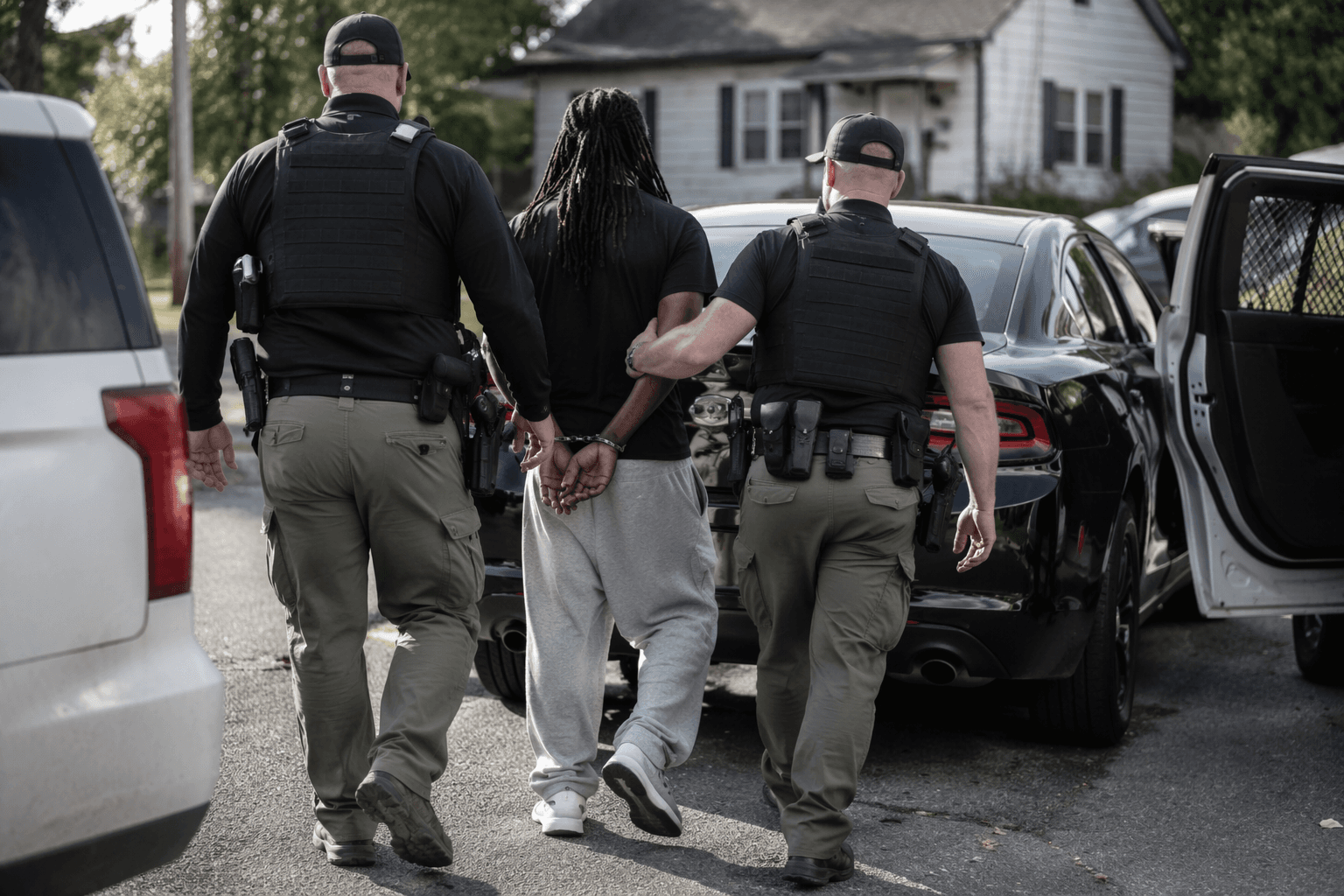
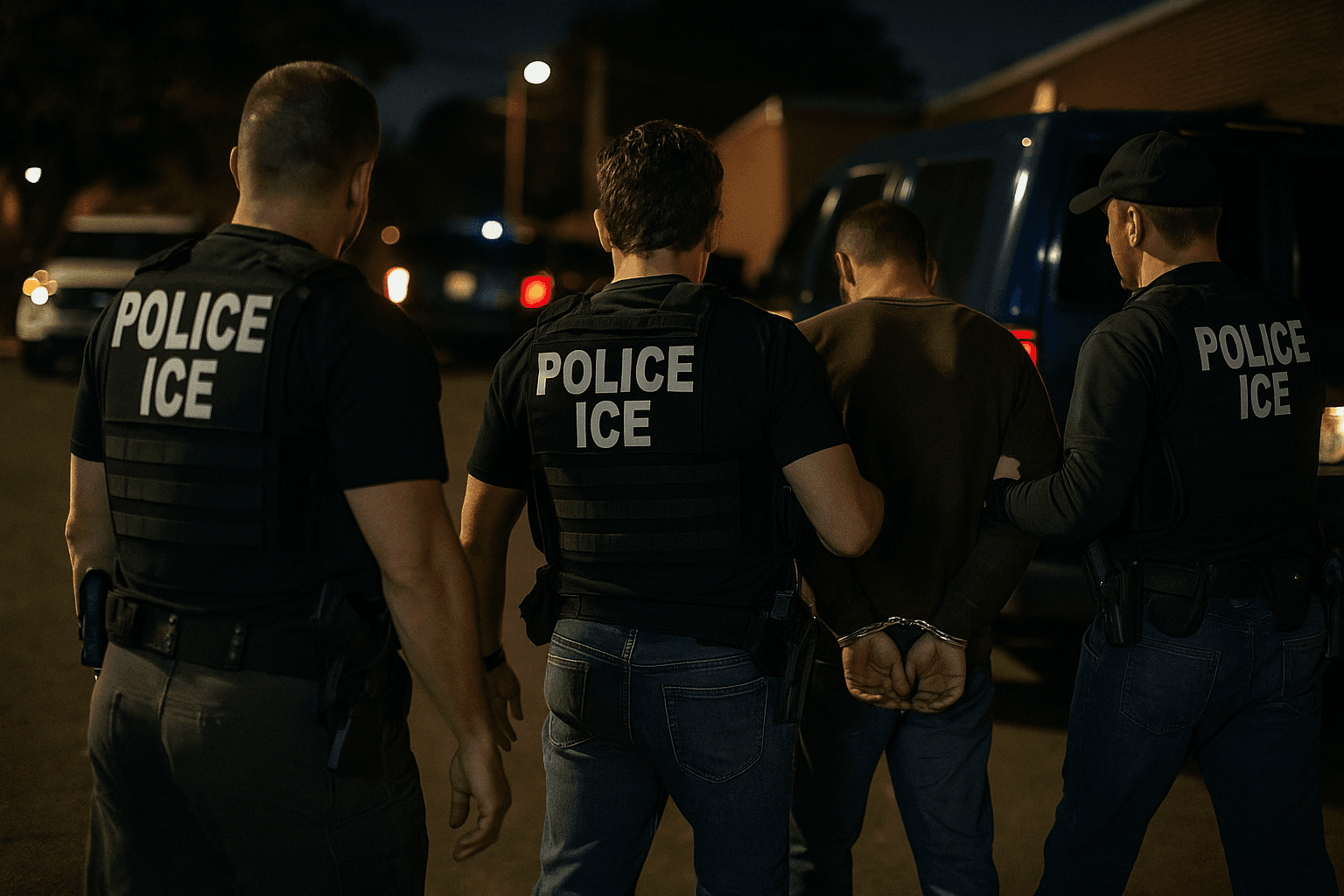
Federal authorities carried out a multiagency operation in Charlotte on November 18 that resulted in the detention of more than 130 people. The Department of Homeland Security said that 44 of those detained in the first two days had prior criminal histories, representing about 32 percent of the apprehensions identified during that period. The agency reported that the prior charges attributed to those 44 individuals ranged from assault and battery to driving under the influence and hit and run, and that two detainees were allegedly affiliated with gangs. Authorities have publicly named only a fraction of those detained.
Although the enforcement action occurred in Charlotte the operation reverberated across the Piedmont Triad. Local governments, legal aid organizations, faith groups, and immigrant advocacy networks in Guilford County and neighboring jurisdictions reported heightened attention to potential spillover effects, questions about federal and local coordination, and community needs for information and services.
The episode raises multiple policy and institutional questions for county leaders. First, the disparity between the number of people detained and the small number publicly identified by authorities has prompted scrutiny about transparency and public accountability. Second, coordination between federal immigration enforcement and local law enforcement remains a central policy issue, with implications for how the county allocates resources for court processing, detention logistics, and community safety programs. Third, the operation may affect civic engagement among immigrant communities, potentially influencing willingness to interact with public agencies or to participate in civic life.
Local officials in Guilford County will need to balance public safety responsibilities with efforts to preserve trust in public institutions. That balance will require timely information sharing, clear points of contact for residents seeking legal or social services, and engagement with community groups that can relay concerns and needs. For voters and civic organizations the event underscores the importance of oversight of federal operations that have regional impacts and the role of county government in monitoring consequences for residents. As discussions continue across the Triad, county leaders and community advocates will be watching for further disclosures from federal authorities and for any local developments stemming from the operation.
This article was produced by Prism’s automated news system from verified source data, official records, and press releases, then run through automated quality and moderation checks before publishing. The system is built and supervised by the people who set the standards it runs under. Read our full AI policy.
Did this article answer your question?