Extreme drought grips Guilford County as rain outlook stays dry
No rain fell at Lake Brandt or Lake Townsend as Greensboro demand rose and Guilford County stayed in extreme drought. Officials urged all water users to follow shortage plans.
No rain reached Lake Brandt or Lake Townsend in Greensboro’s latest water report, even as public water demand climbed to 34.8 million gallons a day and the county stayed locked in extreme drought. For nearly 320,000 Greensboro customers, that means the system is still leaning on reservoirs, treatment plants and conservation habits while the dry stretch drags on.
The June 2 U.S. Drought Monitor map showed Guilford County in drought, with 488,406 people affected. Drought.gov said the county logged its 5th driest April on record over the past 132 years and its 3rd driest January-through-April stretch on record, with rainfall running 2.74 inches below normal in April and 6.72 inches below normal year to date.
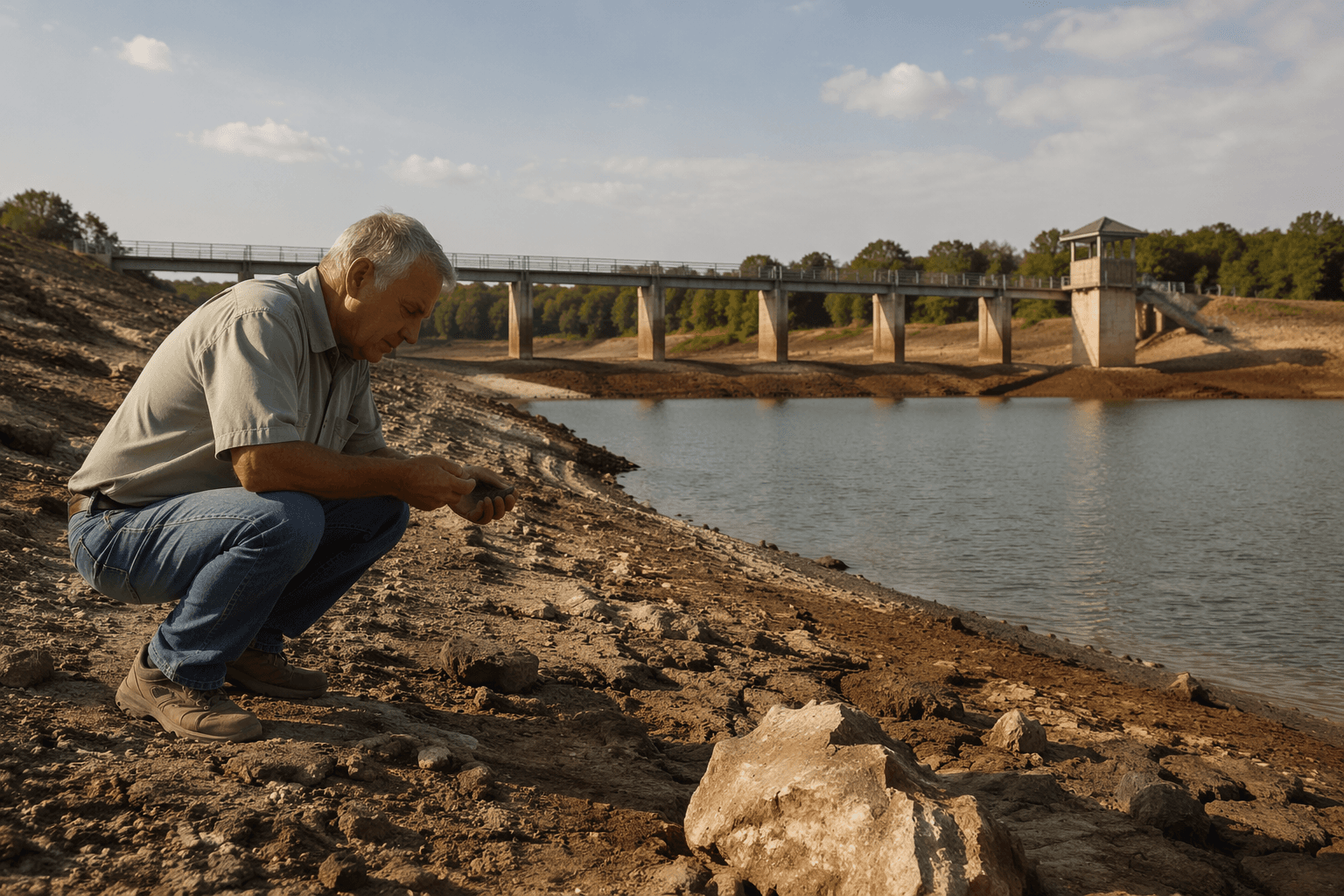
State drought managers have already shifted into response mode. The North Carolina Drought Management Advisory Council updated its drought advisory on June 2 to reflect D3, or extreme drought, conditions, and said all water users should follow their Water Shortage Response Plan. In Greensboro, that warning lands against a water system that draws drinking water from three watershed reservoirs and sends treated water through two plants that average about 35.9 million gallons a day.
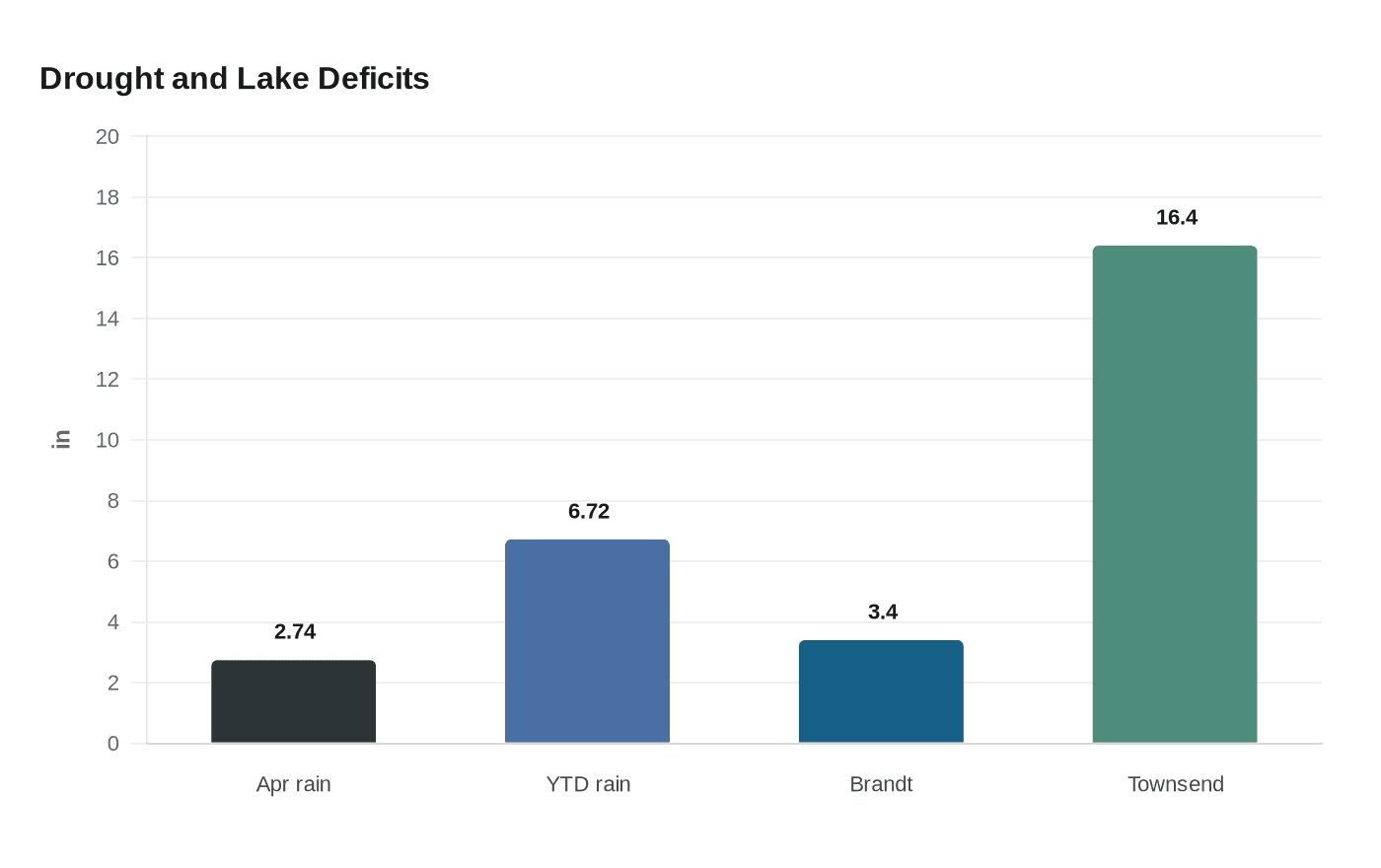
The city’s June 3 water level report showed Lake Brandt 3.4 inches below full and Lake Townsend 16.4 inches below full. Greensboro says its historical lake-performance graph shows how quickly the worst-recorded drought in North Carolina history cut into lake capacity, and that conservation messaging, water restrictions and interconnects with surrounding cities helped keep the supply drop from becoming worse. Lake Townsend, the city’s largest municipal reservoir, covers 1,542 acres and opened for recreation in 1969.
The drought is not confined to Greensboro. Raleigh said central North Carolina is in severe drought, including the watersheds that feed Falls Lake and Swift Creek, and updated its water-supply and drought page on June 2. The NOAA Climate Prediction Center is still calling for above-normal precipitation in parts of the Southeast, including eastern North Carolina, but forecasters also warn the drought could reintensify later in the summer if July and August stay dry.
National Weather Service forecasters in Raleigh said on June 4 and again June 5 that little had changed, leaving Guilford County in a watchful, high-risk pattern with no meaningful rain relief yet on the horizon.
This article was produced by Prism’s automated news system from verified source data, official records, and press releases, then run through automated quality and moderation checks before publishing. The system is built and supervised by the people who set the standards it runs under. Read our full AI policy.
Know something we missed? Have a correction or additional information?
Submit a Tip