Greensboro adds clinician response option for certain 911 calls
Greensboro is shifting some 911 mental-health and substance-use calls to clinicians, after a pilot sent four BHRT clinicians to 45 calls and cut more than 60 patrol responses.

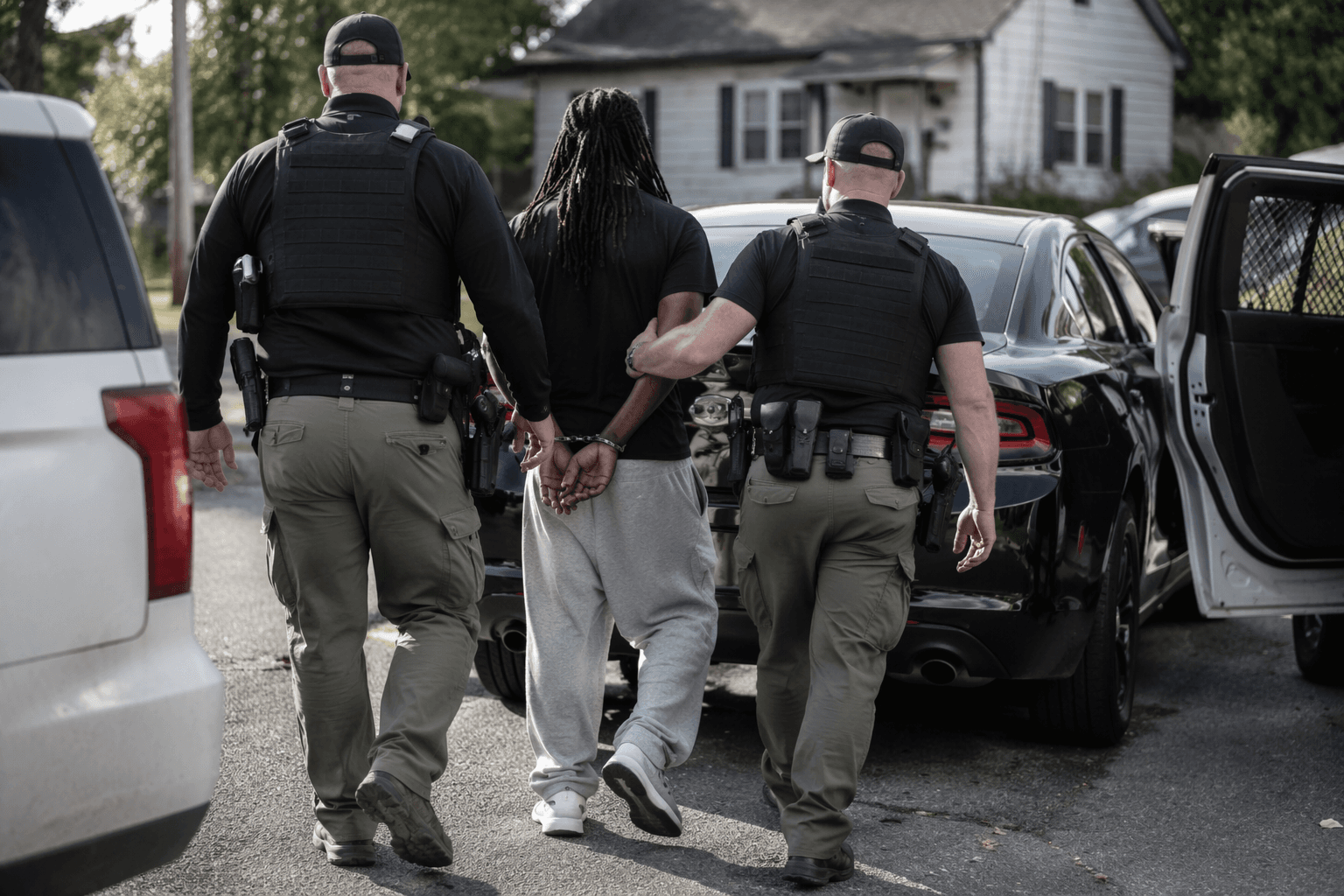
Greensboro is changing who answers some crisis calls: two Behavioral Health Response Team clinicians can now be sent to certain 911 calls for service instead of law enforcement when the situation fits the city’s new Clinician Alternative Response protocol.
The new option is part of the city’s crisis response continuum of care and is meant for calls that appear to involve mental health or substance use concerns. City officials say the model is designed to send the right responders to the right situations, with non-traditional, community-based responses that emphasize trauma-informed care, de-escalation and connection to services. It operates from 6 a.m. to midnight, Monday through Friday.
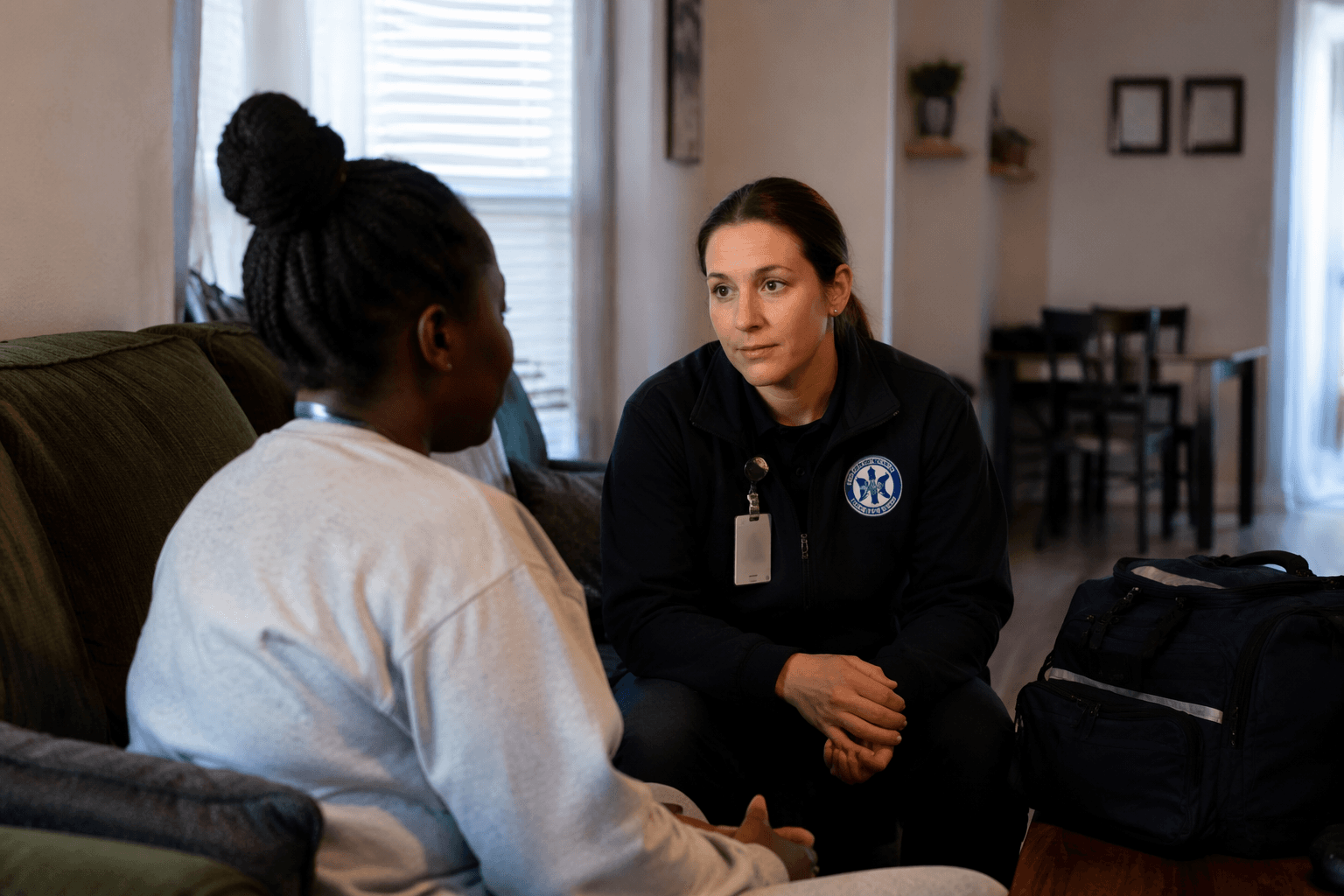
The change matters because Greensboro is trying to keep police available for criminal matters and higher-risk emergencies while giving people in crisis a response focused on treatment and stabilization. The city says higher-acuity incidents will still use co-response, the model that pairs officers with clinicians, rather than sending clinicians alone.
BHRT has been part of that system since December 2020, when the city created the program. It officially began in January 2021 as a team of behavioral health crisis counselors and specially trained police officers. By October 2022, the team had answered about 4,000 calls for service. In August 2022, Greensboro added a paramedic to BHRT after receiving Support Team Assisted Response grant funding through North Carolina legislation, broadening the team’s ability to handle medical needs alongside behavioral health crises.
The city’s pilot for the clinician-led response ran from mid-February through April 2. During that period, four clinicians handled 45 emergency calls and saved more than 60 patrol responses. That gives the new model an immediate public-safety test case: if clinicians can safely take on a portion of behavioral health calls, Greensboro can free police units for other work while connecting more residents to care instead of the criminal justice system.
The city’s Community Safety Department says its broader mission includes prevention, crisis intervention and long-term, intensive case management for people whose mental health, substance use or homelessness has brought them into frequent contact with law enforcement. As Greensboro expands BHRT, it is betting that one more layer of response can change how the city handles 911 calls, and how often a crisis ends in a patrol car, an emergency room or a more therapeutic form of care.
This article was produced by Prism’s automated news system from verified source data, official records, and press releases, then run through automated quality and moderation checks before publishing. The system is built and supervised by the people who set the standards it runs under. Read our full AI policy.
Did this article answer your question?