Greensboro considers school-zone speed cameras after red-light plan drops
Greensboro was weighing school-zone speed cameras after shelving a $1.65 million red-light plan, as traffic deaths climbed 41% to 25, including seven pedestrians.
Greensboro was weighing school-zone speed cameras after shelving a $1.65 million red-light camera contract with NovoaGlobal, a shift that moved the city’s traffic-safety debate onto school corridors. City staff had already met with one vendor, putting the idea beyond a casual discussion and into an exploratory phase.
An assistant city manager said the red-light plan was dropped because of contract costs, community pushback and a change in the city’s priorities. Mayor Marikay Abuzuaiter has framed the issue around school-zone safety, saying city leaders were still looking for solutions as speeding near children remained a concern.
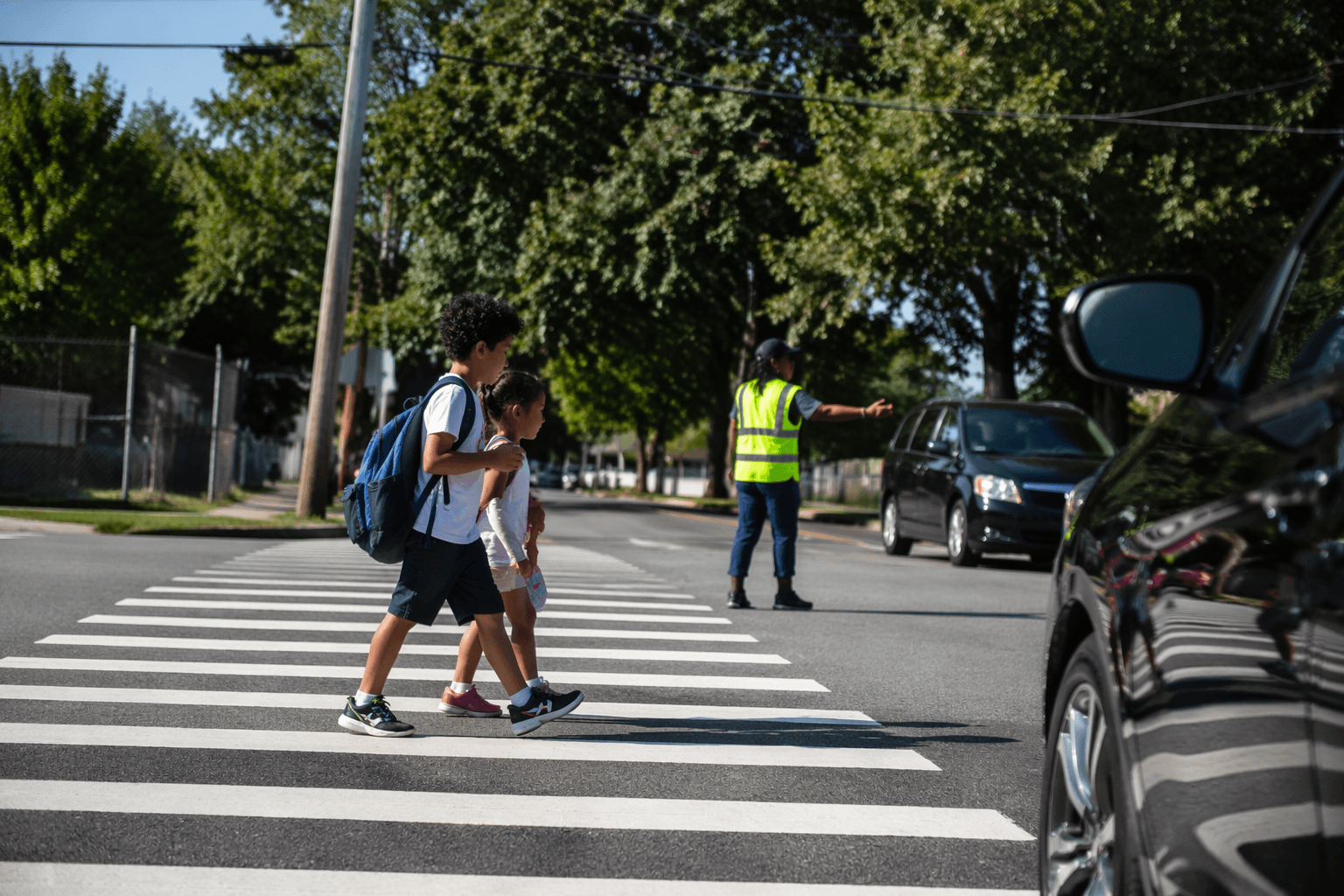
North Carolina law now allows automated speed cameras only in school zones. The measure, signed by Gov. Josh Stein as Senate Bill 391 and effective Oct. 1, 2025, requires warning signs within 1,000 feet of camera zones, limits enforcement to school zones governed by G.S. 20-141.1 and makes camera-issued violations civil matters rather than license-point offenses.
That narrow legal window meant any Greensboro program would be far smaller than the red-light system city leaders briefly revived last year. Greensboro approved a three-year red-light camera contract in 2025 valued at $1.65 million for five high-risk intersections before pausing the plan. The city’s earlier red-light camera program ended in 2005 after a court ruling required 90% of the revenue to go to Guilford County Schools, leaving the city with 10%, a history that has long fed skepticism that camera enforcement is more about revenue than safety.
The debate is unfolding as Greensboro police said traffic-related deaths were up 41% this year, with 25 deaths so far, including seven pedestrians. That increase has also fed the city’s Vision Zero Greensboro work and a summer campaign focused on dangerous driving behaviors.
Public reaction remained split. Some residents said they liked the idea because cameras could slow drivers and make them more alert near children. Others said they were uneasy about surveillance and questioned how far the technology could be pushed beyond speeding enforcement.
For now, Greensboro was trying to balance public safety, privacy concerns, legal limits and public trust. If city leaders moved ahead, the first cameras would be confined to school zones, where state law had only recently given municipalities and counties a new enforcement tool.
This article was produced by Prism’s automated news system from verified source data, official records, and press releases, then run through automated quality and moderation checks before publishing. The system is built and supervised by the people who set the standards it runs under. Read our full AI policy.
Know something we missed? Have a correction or additional information?
Submit a Tip