Greensboro council weighs temporary pause on data center development
After a 5-4 rejection, Greensboro reopened the door to a 120-day pause on data centers. Crystal Black's motion put projects over 10 megawatts back on the agenda.
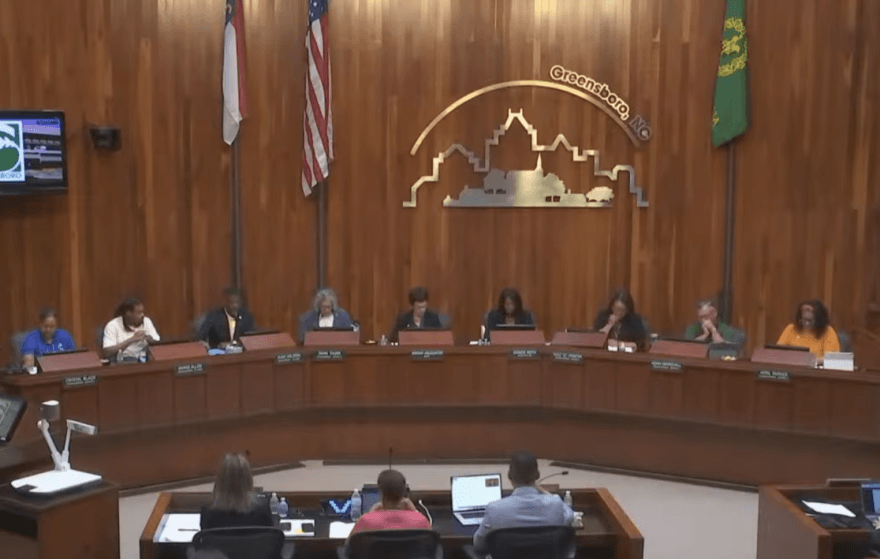
Greensboro City Council moved back toward a temporary pause on data center projects Aug. 4 after first rejecting a moratorium in a 5-4 vote, and Councilwoman Crystal Black had driven the issue back into play with a July 21 motion to start the process. The proposal under discussion would put a 120-day hold on new data centers drawing more than 10 megawatts while the city decides what rules should apply.
That shift came after council members heard from a consultant about the economic benefits and the infrastructure impacts tied to the facilities. The debate has quickly become more than a zoning question in Greensboro: data centers can bring large tax-bearing buildings and major investment, but they also bring intense electric demand, heavy water use, noise concerns, and a development pattern that can change nearby neighborhoods without adding the kind of street activity residents expect from new projects.
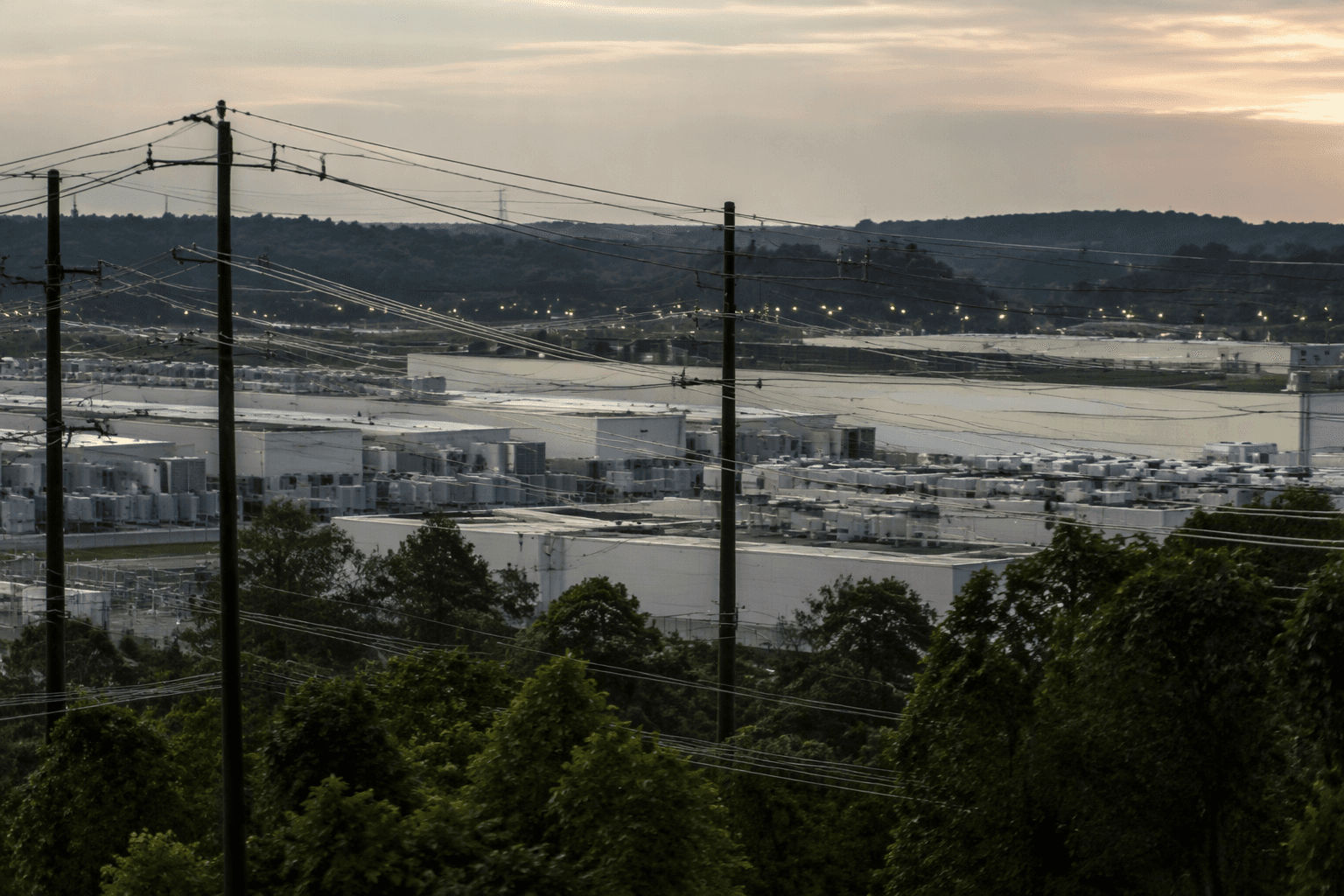
The stakes are local and financial. Planners, residents, and council members are weighing whether the promise of a bigger tax base and new utility spending justifies the strain on land use, power capacity, and neighborhood compatibility before the city locks in standards. For people living near potential sites, the concern is not only how large the buildings are, but how they may affect surrounding land values, traffic patterns, and the character of nearby streets long before the servers ever come online.
Greensboro’s move also fit into a broader Triad response. Randolph County commissioners approved zoning changes of their own, while Alamance County scheduled a public hearing after Greensboro’s earlier rejection of a pause. Charlotte had already posted data center moratorium FAQs on June 8, showing that larger North Carolina cities were beginning to write their own playbooks as the industry expanded.

State lawmakers were moving too. In July, North Carolina General Assembly members were seeking new guardrails for the industry, including the Ratepayer Protection Act, which would target large data centers with power demands above 100 megawatts. New York became the first state to enact a data center moratorium in July, giving Greensboro another point of comparison as council members decide whether to act now or wait for a larger policy framework to emerge.
This article was produced by Prism’s automated news system from verified source data, official records, and press releases, then run through automated quality and moderation checks before publishing. The system is built and supervised by the people who set the standards it runs under. Read our full AI policy.
Did this article answer your question?