Greensboro fined after wastewater plant carbon monoxide monitoring failure
Greensboro’s lone wastewater plant was fined after carbon monoxide monitoring gaps raised compliance concerns. The city says aging equipment was replaced and the facility is back within air standards.
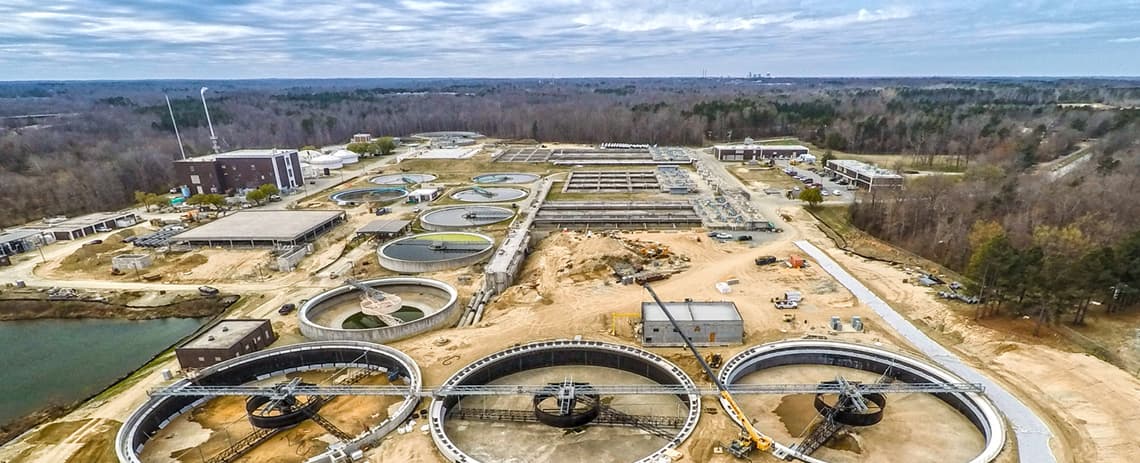
A civil penalty over carbon monoxide monitoring at Greensboro’s only wastewater treatment plant has put the city’s environmental oversight under scrutiny, even as officials say the system was repaired and returned to compliance. North Carolina regulators fined the city on May 28 after problems turned up at the T.Z. Osborne Wastewater Treatment Facility in McLeansville.
The issue was not a routine paperwork lapse. Greensboro said annual tests in May and July 2025 found discrepancies between the plant’s aging continuous emissions monitoring system and independent third-party accuracy testing. City officials concluded the equipment was overreporting carbon monoxide values rather than reflecting actual emissions, then repaired the system and installed updated monitoring equipment. A follow-up test in October 2025 confirmed full compliance, and the city said no carbon monoxide exceedances have been recorded since the new system came online. The penalty amount was not disclosed.

For residents and workers, the stakes go beyond one reading. T.Z. Osborne burns sludge in a fluidized-bed incineration system, which is why air-emissions monitoring is part of its regulatory obligations under state air-quality permitting and federal sewage sludge incineration controls. The plant also discharges into South Buffalo Creek, part of the Cape Fear watershed, giving any compliance failure broader local and downstream significance for Guilford County.
Greensboro says the plant, which opened in 1984, is the city’s sole wastewater treatment facility and was expanded to 56 million gallons per day through a $120 million upgrade completed in 2020/2021 to meet new Total Nitrogen limits. Water Resources Director Mike Borchers, who has led the department since 2020 and has worked for the city since 2005, said the old CEMS equipment needed prompt replacement and that compliance was restored after corrective actions were finished.
The city says it continuously monitors emissions from its incinerators and routinely uses independent third-party testing to verify compliance with state and federal rules. But the fine, combined with the plant’s earlier public notice and special-order-by-consent proceedings, raises a familiar accountability question for Greensboro: whether this was an isolated equipment failure or another sign that one of the city’s most sensitive facilities needs tighter oversight and more visible follow-through.
This article was produced by Prism’s automated news system from verified source data, official records, and press releases, then run through automated quality and moderation checks before publishing. The system is built and supervised by the people who set the standards it runs under. Read our full AI policy.
Know something we missed? Have a correction or additional information?
Submit a Tip