Greensboro flower shop dog bite leads to paid medical bills
Melissa Deans stopped for funeral flowers in Greensboro and left with a dog bite, months of pain and a bill that was finally paid after WFMY got involved.
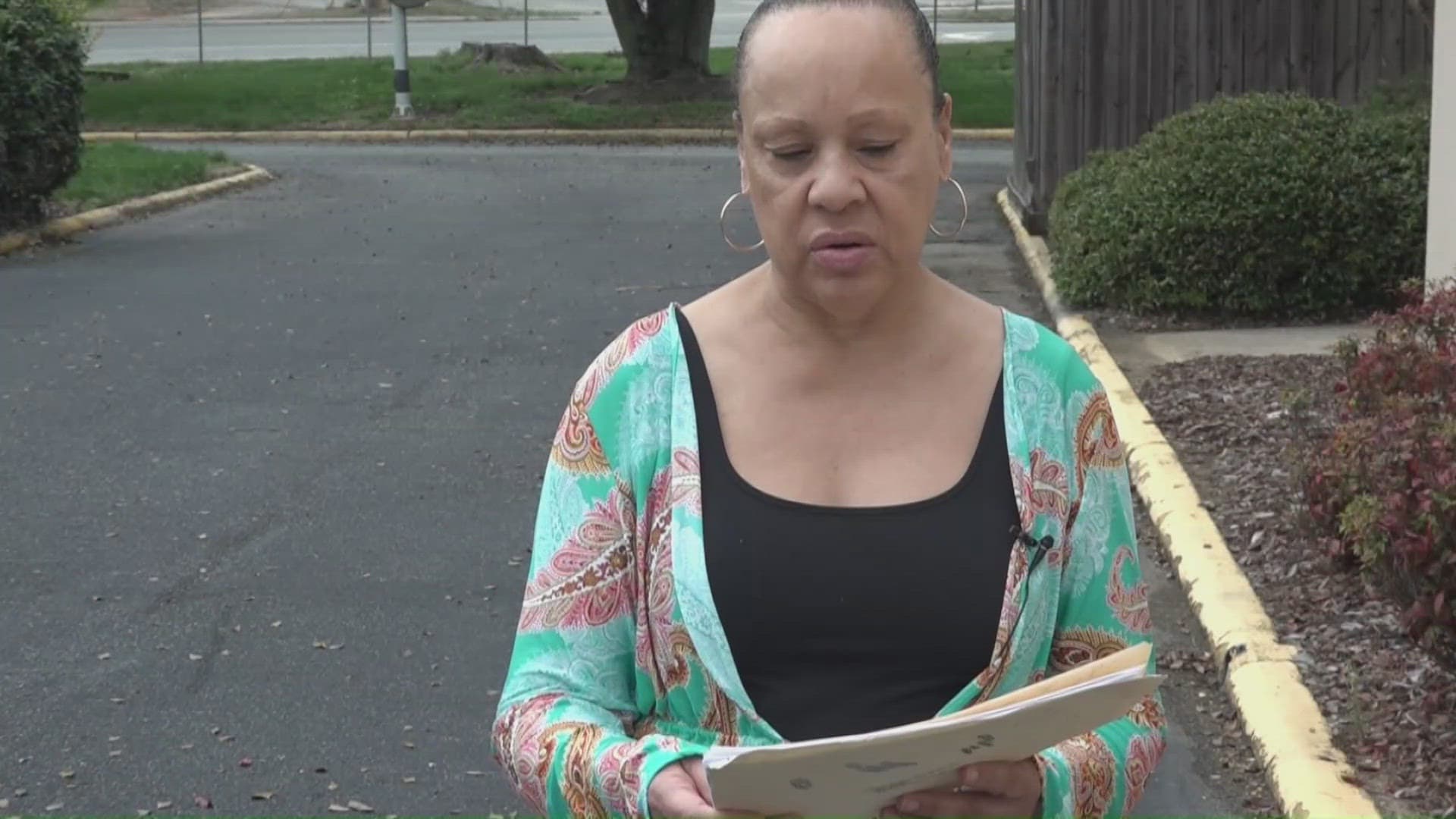
Melissa Deans was headed to a funeral home to meet family and see her brother’s body when she stopped at a Greensboro flower shop for funeral flowers. As soon as she opened the front door, she said a dog inside the business ran up and bit her calf, turning an already devastating day into a painful injury and a fight over who would pay for it.
Deans said the bite left her in pain for months and left a small indentation on her leg. She cleaned the wound with supplies from a pharmacy and went for treatment the next morning. Her care included a tetanus shot, antibiotics and pain medication, part of a medical response that quickly went beyond a simple scrape and into a bill she believed the business should cover.
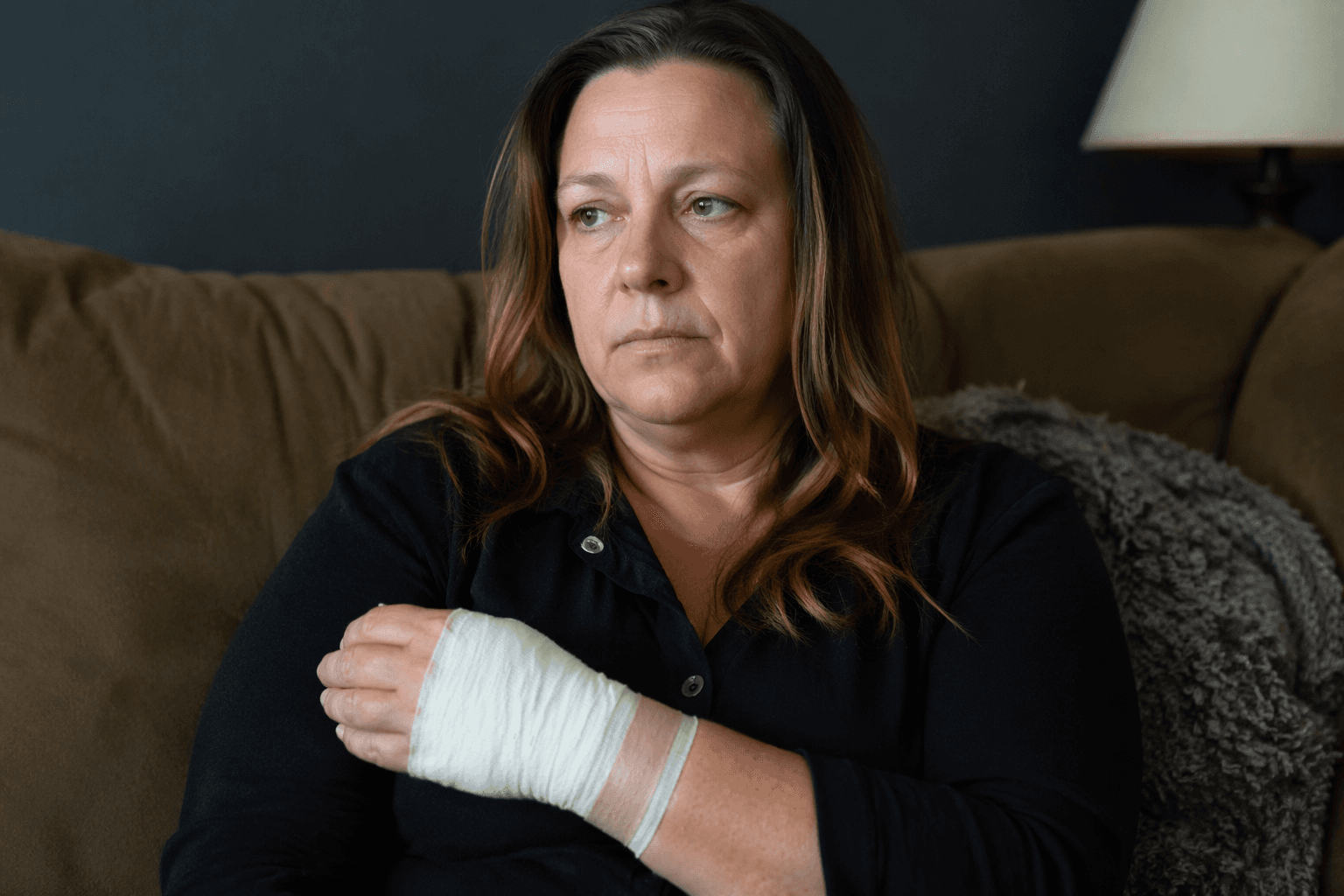
Deans said she asked the flower shop to reimburse her medical expenses but felt she was repeatedly delayed. Before reaching out to WFMY News 2’s 2 Wants to Know, she kept notes and documentation of her communications and expenses, building a paper trail as the dispute dragged on. After WFMY got involved, the flower shop owner agreed to pay her medical bills and the case was resolved.
The episode shows how quickly a customer injury inside a local business can become a liability question, not just a personal misfortune. In North Carolina, Chapter 67 defines a dangerous dog and lays out a local process for dangerous-dog determinations. State law says the owner of a dangerous dog that attacks a person and causes injuries requiring medical treatment of more than $100 can be guilty of a Class 1 misdemeanor.
For Guilford County residents, the local enforcement piece matters too. Guilford County Animal Control says it enforces animal-control laws in Greensboro, Jamestown and rural Guilford County, giving injured customers a county-level place to turn when a dog attack inside or near a business raises questions about safety, responsibility and reimbursement. Deans’ case ended with payment, but it also underscored a basic point for consumers: when an injury happens on business property, records, bills and prompt reporting can determine whether a claim stalls or gets resolved.
This article was produced by Prism’s automated news system from verified source data, official records, and press releases, then run through automated quality and moderation checks before publishing. The system is built and supervised by the people who set the standards it runs under. Read our full AI policy.
Know something we missed? Have a correction or additional information?
Submit a Tip