Greensboro launches RISE program to revive aging commercial properties
Greensboro’s new RISE Infill program aims to turn vacant storefronts and aging buildings into financed deals, with local banks and city loans filling the last gap.

Greensboro is betting that a relatively small city loan can help revive the kind of aging storefronts and underused buildings that often sit just outside a private lender’s comfort zone. The new RISE Infill program, formally announced May 26 at 10:00 a.m., is designed to help smaller developers close financing gaps on commercial and mixed-use projects in parts of the city targeted for reinvestment.
The program is the first piece of a broader emerging RISE framework meant to coordinate future economic development and redevelopment tools. City officials said RISE Infill will support redevelopment of underutilized commercial properties, renovation of vacant or aging buildings, and mixed-use investment within designated Reinvestment Areas, Reinvestment Corridors, or Downtown Greensboro. It does not apply to standalone residential projects, home renovations or residential subdivision development.
Instead of sending developers straight to City Hall, the program is lender-driven. Borrowers work directly with participating banks, which underwrite the deal before the city considers joining the financing. Greensboro opened the program with four lenders: Towne Bank, First Bank, United Community Bank and M&F Bank.
That structure is aimed at projects that are close to happening but still fall short on the final dollars. City officials said developers must typically put in at least 10% cash equity of total project costs, excluding land or existing buildings, before the city steps in. Greensboro’s contribution will generally run about $200,000 to $300,000 and will never exceed 20% of a project’s total cost, limiting the city’s exposure while keeping deals alive.
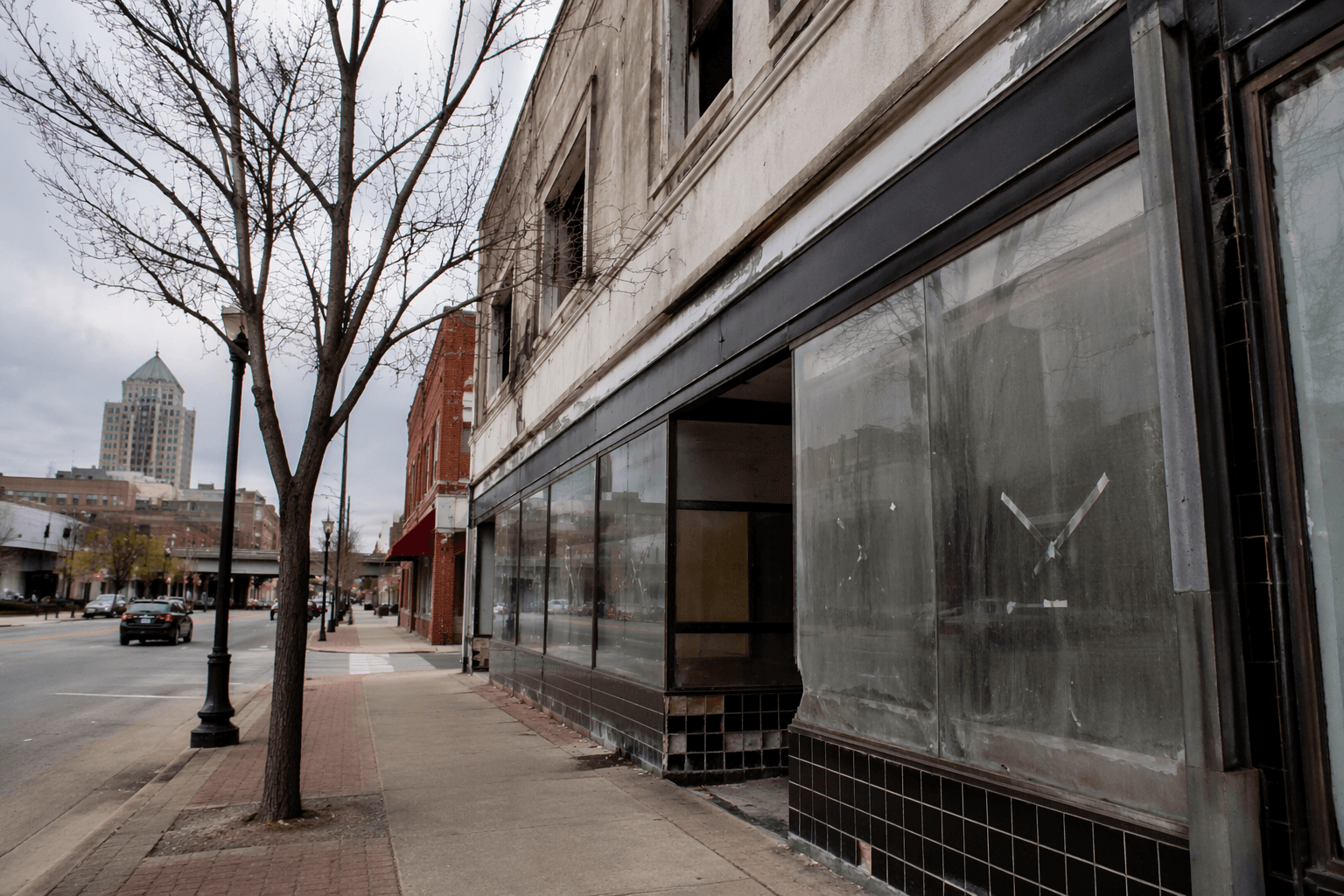
Marshall Yandle, Greensboro’s economic development manager, said redevelopment projects in older commercial areas are often harder to finance than new construction. He pointed to the kind of deal RISE Infill is meant to unlock: a developer buying an underused two-story downtown building, fixing up the ground floor for retail or a restaurant and turning upper floors into apartments or offices. Mayor Pro-Tem Denise Roth said the goal is to stimulate private-sector activity without replacing private investment, and District 5 Councilmember Tammi Thurm said the tool could help projects move ahead on West Gate City Boulevard and elsewhere.
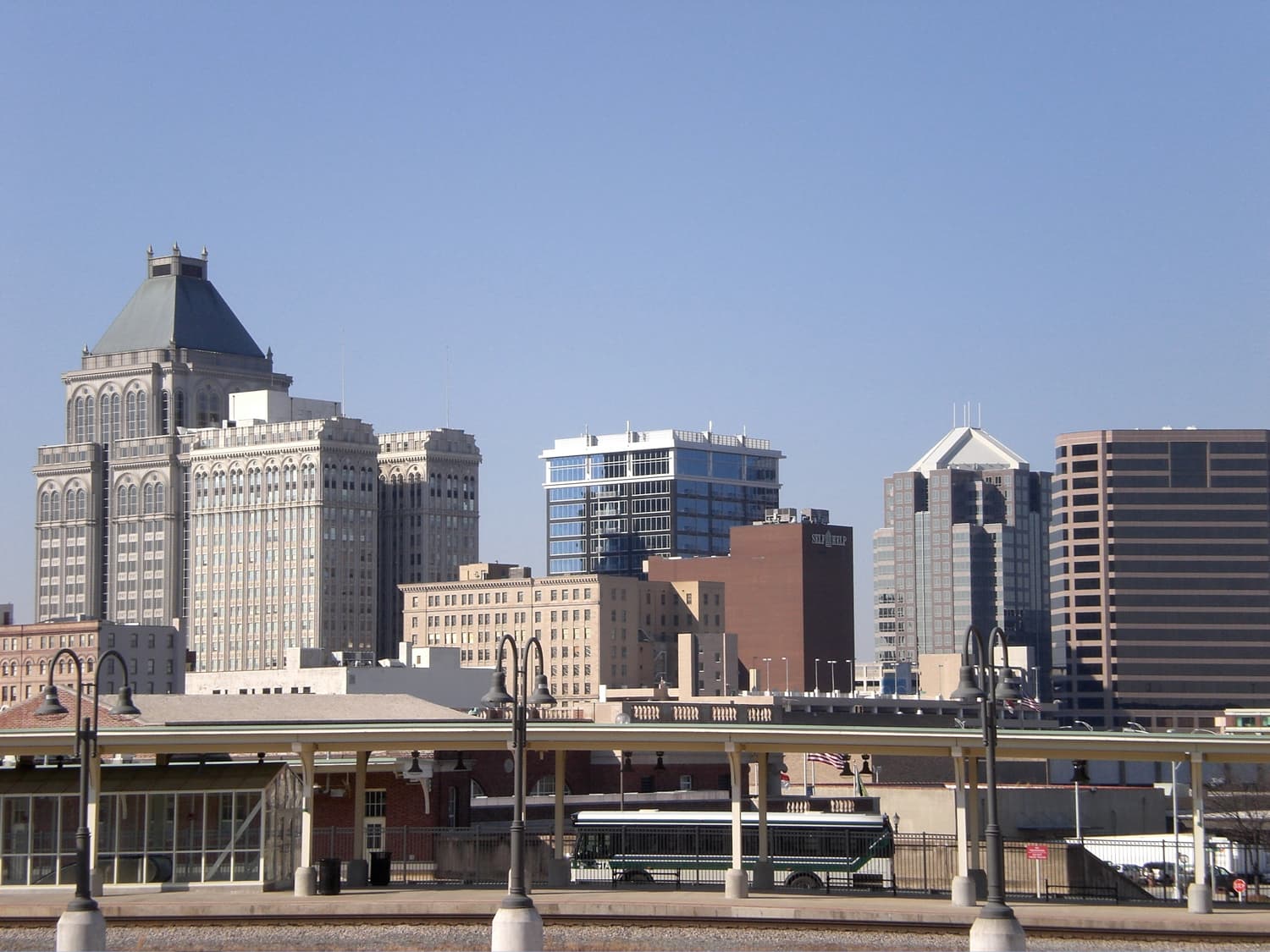
The city’s planning maps give a clue to where the first visible changes could land. Greensboro has redevelopment area maps in Arlington Park, College Hill, East Market Street, Eastside Park, Gorrell, Ole Asheboro, Rosewood, Southside and Willow Oaks, along with Downtown. For commercial corridors with empty bays, outdated facades and buildings that need a second life, RISE Infill gives smaller local developers a more practical path to get from idea to construction.
This article was produced by Prism’s automated news system from verified source data, official records, and press releases, then run through automated quality and moderation checks before publishing. The system is built and supervised by the people who set the standards it runs under. Read our full AI policy.
Did this article answer your question?