Greensboro leaders help displaced Studio 6 residents find housing
Studio 6’s shutdown left nearly 200 Greensboro neighbors looking for a place to sleep, and a Barber Park resource fair became their first stop for housing help.
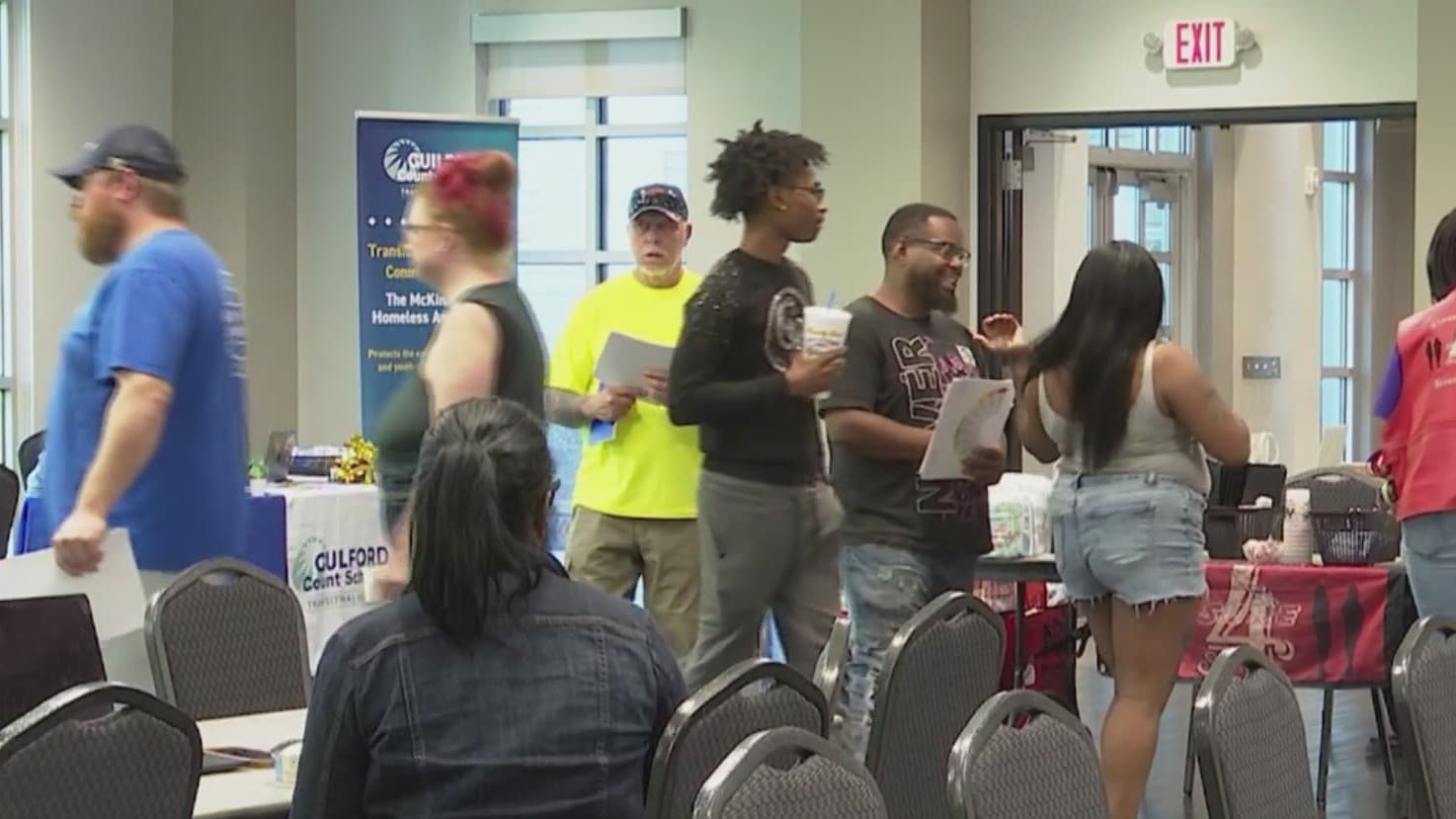
The shutdown of Studio 6 on Veasley Street pushed nearly 200 Greensboro neighbors into a scramble for housing, with families leaving behind 64 occupied units and trying to line up a place to stay before nightfall. At the Yvonne J. Johnson Event Center at Barber Park, local leaders and nonprofits tried to turn that crisis into a plan.
The Greensboro Housing Coalition organized the resource fair to connect displaced residents with emergency hotel stays, relocation assistance intake and case management. The event brought together Legal Aid of North Carolina, the International Rescue Committee, Guilford County Department of Social Services, Guilford County Schools, Greensboro Housing & Neighborhood Development, the City of Greensboro Office of Code Compliance and other partners, reflecting how widely the motel closure rippled through daily life.
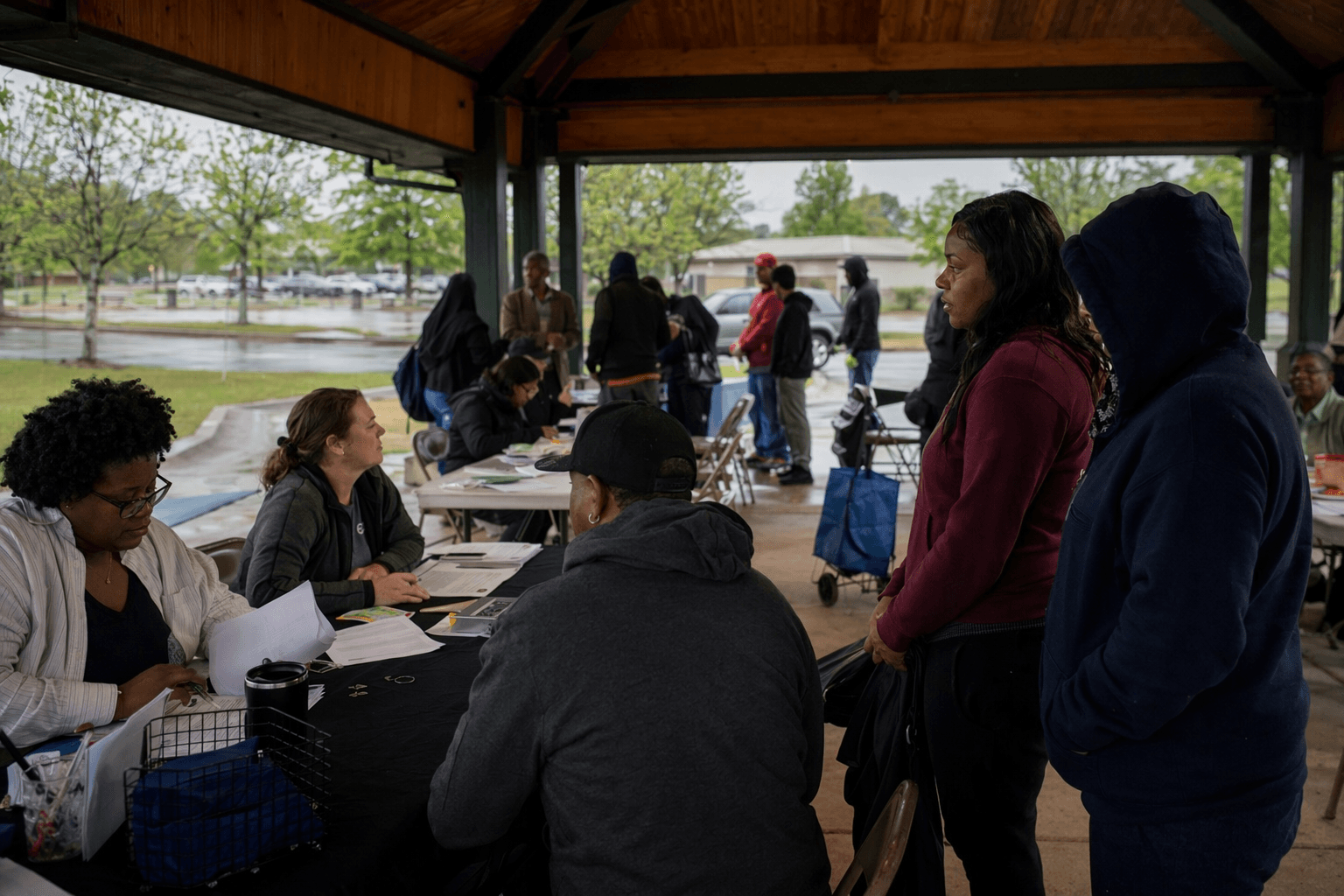
City Councilman Hugh Holston said the effort was designed to stabilize families first, then help them move into more stable apartments and, eventually, toward homeownership. The setup at Barber Park fit the need for centralized help: the event center can host up to 200 seated guests, enough space for agencies to meet residents in one place instead of sending them from office to office.
For Carl Johnson Jr., the shutdown was not an abstract housing policy issue. He said he had lived at Studio 6 with his fiancée and six children for about two months, and that the family was under strain because he was the only one working. His situation underscored the immediate barriers many residents faced: finding temporary shelter, keeping children connected to school and managing work at the same time.
The motel’s closure followed a nuisance-abatement case brought by the City of Greensboro on behalf of the state. A Guilford County Superior Court judge, Eric C. Morgan, signed a temporary restraining order on April 29, 2026, and the order blocked the property at 2000 Veasley St. from taking in new guests. In its complaint, the city said the property posed an imminent risk to public morals, health, safety and welfare.
Police had been called to the site repeatedly over the previous six months for burglaries, sexual assaults, stabbings and overdoses. Other reporting tied the property to an officer-involved shooting, an overdose death and a front-office drug bust. The shutdown was meant to stop that pattern, but it also exposed how many residents had been relying on an extended-stay motel as de facto housing.
Greensboro’s 10-year Housing GSO plan, approved in 2020, is meant to improve access to and the condition of affordable housing. The response at Barber Park showed why that work matters: when a problem property closes, the city still has to help people find somewhere safe to go the next day.
This article was produced by Prism’s automated news system from verified source data, official records, and press releases, then run through automated quality and moderation checks before publishing. The system is built and supervised by the people who set the standards it runs under. Read our full AI policy.
Did this article answer your question?