Greensboro museum preserves Greensboro Four legacy for new generations
The lunch counter where the Greensboro Four sat still drives conversation, teaching, and civic memory at a downtown museum that keeps civil rights history active.
A downtown landmark with a living purpose
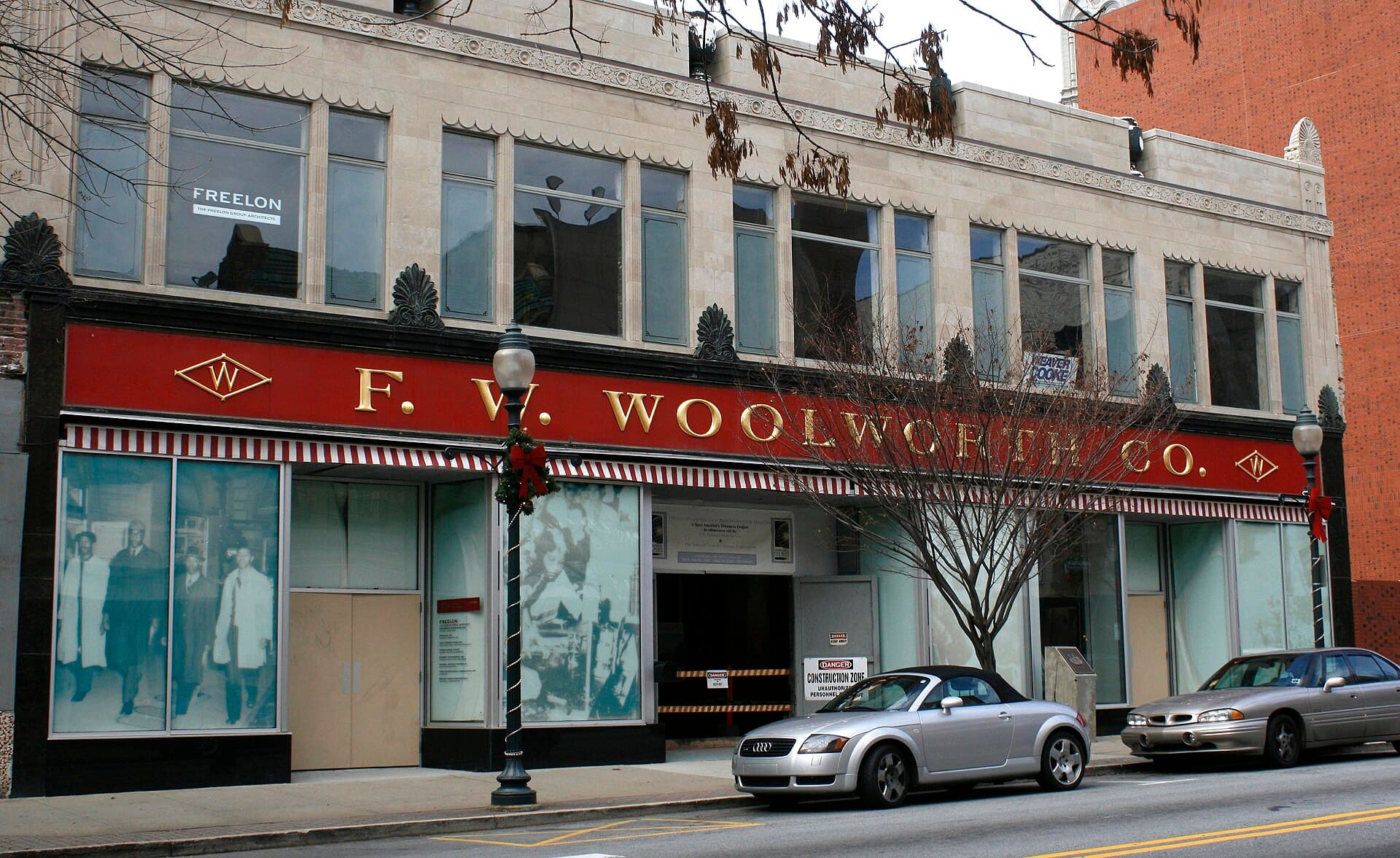
The International Civil Rights Center & Museum is not a place where Greensboro’s past sits quietly behind glass. Step inside the former F.W. Woolworth building in Downtown Greensboro, and the story of the Greensboro Four becomes immediate, physical, and hard to ignore.
Powerful images, personal stories, and historic artifacts fill the museum’s space, but the center of gravity remains the original Woolworth lunch counter. That counter is more than a relic. It is the place where four North Carolina A&T freshmen challenged segregation on February 1, 1960, and helped launch a sit-in movement that spread across the South.
Why the lunch counter still matters
The Greensboro sit-in began when Ezell Blair Jr., later known as Jibreel Khazan, Franklin McCain, Joseph McNeil, and David Richmond sat at a whites-only lunch counter and were denied service. They stayed until closing, turning a local act of protest into a national turning point.
That history still carries force because the museum presents it as more than a completed chapter. Visitors see how a single lunch counter became a symbol of public access, citizenship, and the stubborn persistence of inequality. The lesson is not only about what happened in 1960, but about why that act still speaks to current debates over protest, justice, and who gets to belong in public life.
Inside the museum experience
The museum opened in 2010 in the former F.W. Woolworth building and describes itself as a comprehensive museum and educational organization devoted to understanding and advancing civil and human rights. Its permanent galleries include 14 exhibitions, giving visitors a wide view of civil rights history rather than a single-room memorial.
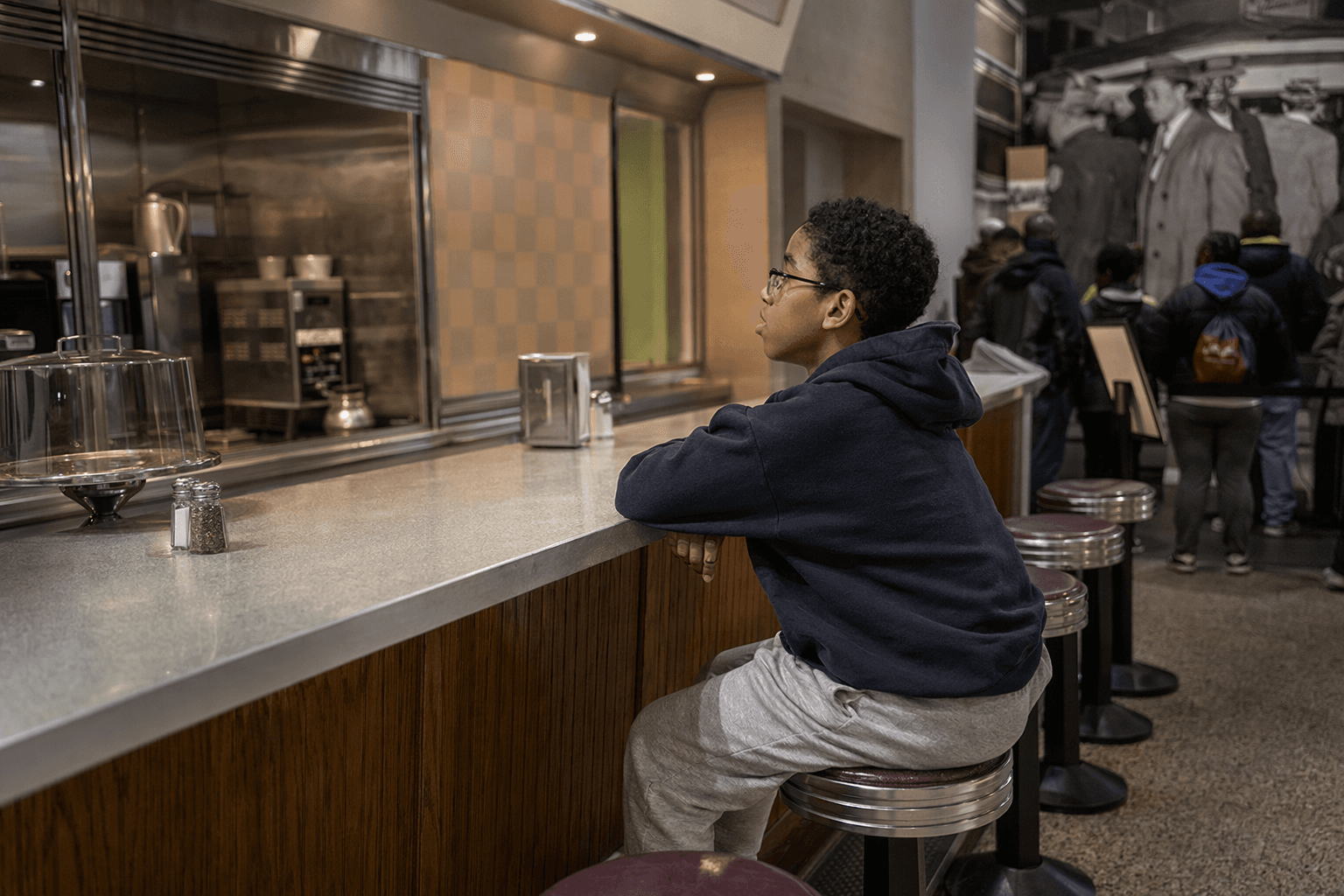
That structure matters for families, students, and travelers who come expecting a quick stop and leave with a deeper sense of how social change unfolds. Museum material says the site attracts visitors from across the globe and has been named one of the top 10 major sites on the U.S. Civil Rights Trail, a reminder that this corner of Greensboro has national reach.
What visitors often misunderstand
One of the most revealing parts of the visit is the reaction to the lunch counter itself. Museum CEO John Swaine says many visitors are surprised to learn that the counter is in Greensboro, not at the Smithsonian, and that surprise shows how much the story still needs to be told.
The truth is split between two places: a portion of the original Woolworth lunch counter remains at the Greensboro museum, and another portion is at the Smithsonian National Museum of American History in Washington, D.C. That split can confuse first-time visitors, but it also shows how the sit-in became a shared piece of American memory, with Greensboro as the origin point.
A lesson across generations
Swaine, who was named the museum’s first chief executive officer in fall 2014, says some of the most powerful tours happen when grandparents bring grandchildren. Older visitors can speak from memory, while younger visitors ask questions that open deeper conversations about race, justice, and change.
That intergenerational exchange is one of the museum’s most important civic roles. It gives students a place to learn where social problems come from and how people were taught harmful ideas, while also showing that resistance was organized, deliberate, and local before it became national. The museum becomes a classroom for history, but also for empathy and civic responsibility.
A place tied to broader civil rights memory
The Greensboro story did not happen in isolation. The lunch counter protest became part of a wider student-led movement across the South, and the museum helps connect local memory to that larger pattern of organizing. The site was recognized as a National Historic Landmark by the National Park Service in 2024, underscoring how a Greensboro building came to hold national significance.
That recognition reinforces what many Guilford County residents already understand: the museum is not simply preserving an object, it is preserving a public argument about access, dignity, and democratic change. For downtown Greensboro, the building stands as both a historic site and an active reminder that civic courage can begin with a few seats at a lunch counter.
How the museum keeps the mission going
Preserving that mission takes money, volunteers, and community support. The museum relies on fundraising efforts, including the annual Dr. George C. Simkins Jr. Golf Classic and an upcoming gala, to keep its stories accessible and its educational work moving forward.
That support matters because the museum’s work is ongoing. The same space that honors the Greensboro Four also serves students, tourists, and local families who need history presented in a way that is accurate, accessible, and connected to the present. In a city where the sit-in began, the museum remains a living civic institution, one that keeps Greensboro’s role in the civil rights movement visible and relevant for the generations still learning from it.
This article was produced by Prism’s automated news system from verified source data, official records, and press releases, then run through automated quality and moderation checks before publishing. The system is built and supervised by the people who set the standards it runs under. Read our full AI policy.
Did this article answer your question?

