Greensboro offers grants to remove lead paint from older homes
Greensboro is offering grants of up to $20,000 to strip lead hazards from pre-1978 homes, with free testing and extra repair help for qualifying families.
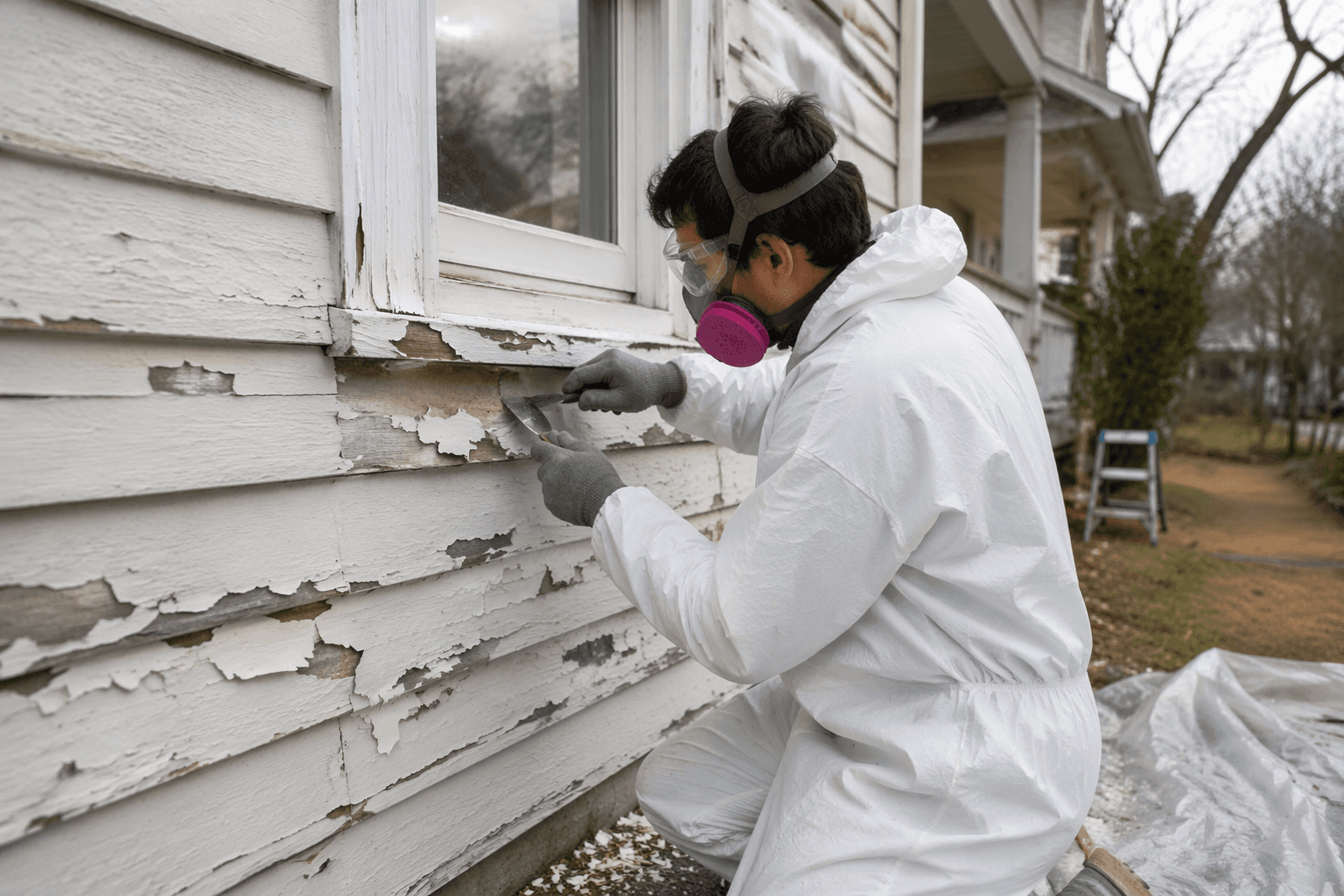
Greensboro put new money behind an old problem, offering grants of up to $20,000 to remove lead-paint hazards from older homes in the city. The program is aimed at protecting children and helping owners and landlords avoid the much higher cost of major remediation in houses that can look sound on the outside but still contain a hidden risk.
The city’s Housing and Neighborhood Development Department was accepting applications for the Lead Hazard Reduction and Healthy Homes grant program, which is funded by the U.S. Department of Housing and Urban Development. Greensboro said this was the seventh time it had received the funding. To qualify, a home must have been built before 1978 and sit inside Greensboro city limits, and the household must meet income requirements. The city also requires that a pregnant woman or a child under 6 live in or frequently visit the home.
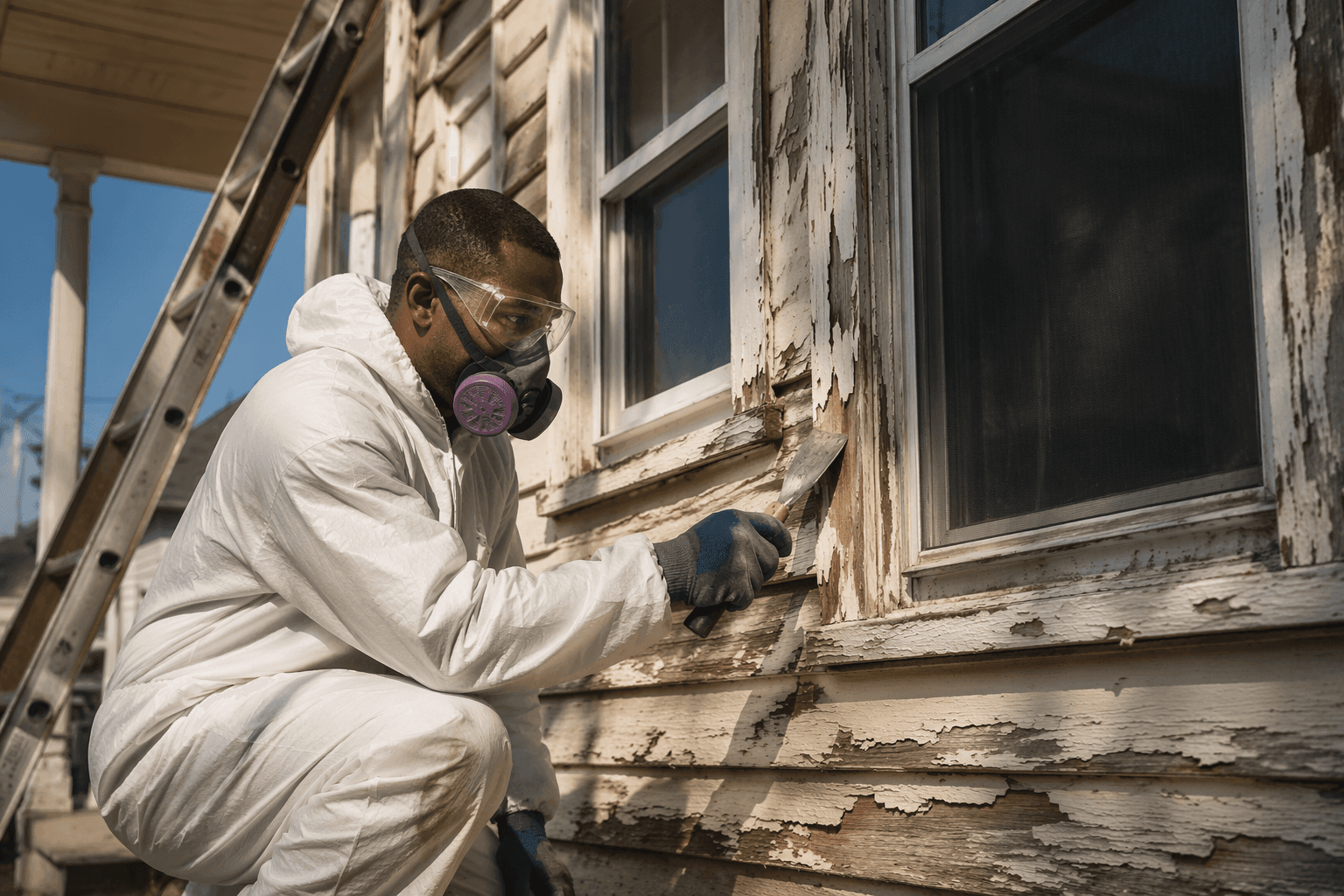
Once an application is approved, a rehabilitation specialist inspects the property, identifies hazards and decides what repairs are needed through the Lead-Safe Greensboro program. The city said the work can include free home lead testing, and in some cases additional repair money for problems uncovered during the inspection. That matters most in Greensboro’s older housing stock, where lead-based paint and contaminated dust can remain a threat even when peeling paint is not obvious.
Public-health agencies have long warned that homes built before 1978 are likely to contain lead-based paint, and the youngest children are at greatest risk. The U.S. Environmental Protection Agency says lead-based paint exposure is one of the most widespread and hazardous sources of lead exposure for children in the United States. The U.S. Centers for Disease Control and Prevention says children under 6 are especially vulnerable, and lead exposure can affect children before birth.
Greensboro said the effort is part of a long-running housing strategy, not a one-time program. City records show more than 1,085 homes in low-income areas have been remediated since the early 2000s, and the prior four-year grant cycle completed lead-related work in 112 residences. The city also issued a related Lead Hazard Control and Healthy Homes solicitation on Jan. 29, 2026, underscoring that the work continues through a federal-local pipeline.
The city has tied Lead-Safe Greensboro to its broader goal of creating 10,000 new homes by 2030. For owners in older neighborhoods, the payoff is immediate: safer housing, fewer costly repairs later, and a better chance of keeping rentals and family homes stable in a market where deferred maintenance can quickly eat into property value. Josh Mullins is listed by the city as the Lead-Safe Program Manager.
This article was produced by Prism’s automated news system from verified source data, official records, and press releases, then run through automated quality and moderation checks before publishing. The system is built and supervised by the people who set the standards it runs under. Read our full AI policy.
Know something we missed? Have a correction or additional information?
Submit a Tip