Greensboro police and partners issue 135 citations in DWI crackdown
Greensboro and four local partners logged 135 arrests or citations in a DWI crackdown, including 4 DWIs and 27 no-license cases.
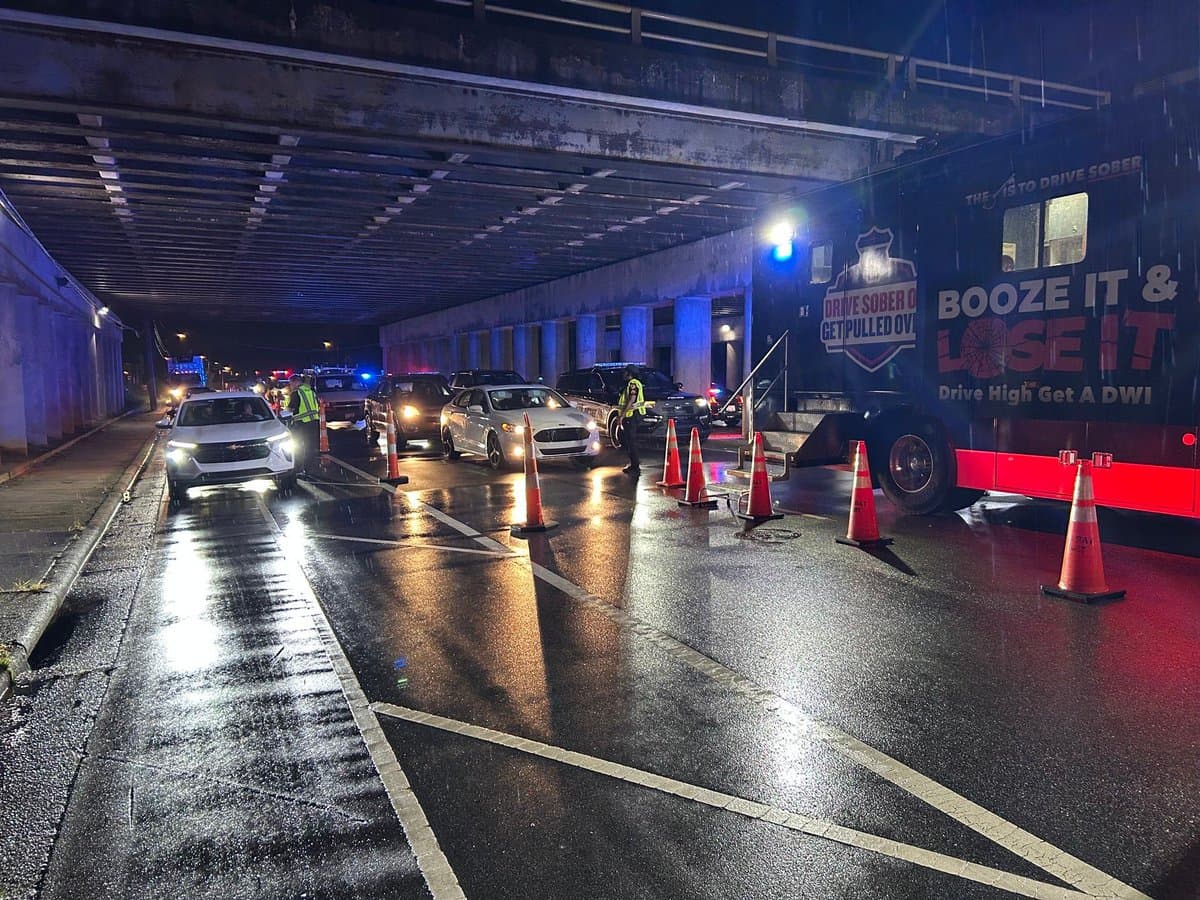
Greensboro police and four local partners issued 135 arrests or citations during a Booze It & Lose It traffic safety crackdown, including four DWI charges, 27 no-license cases and multiple revoked-license violations.
The operation brought together the Greensboro Police Department, Guilford County Sheriff's Office, Gibsonville Police Department, High Point Police Department and UNCG Police Department. It was part of North Carolina’s statewide Booze It & Lose It campaign, a long-running impaired-driving push.
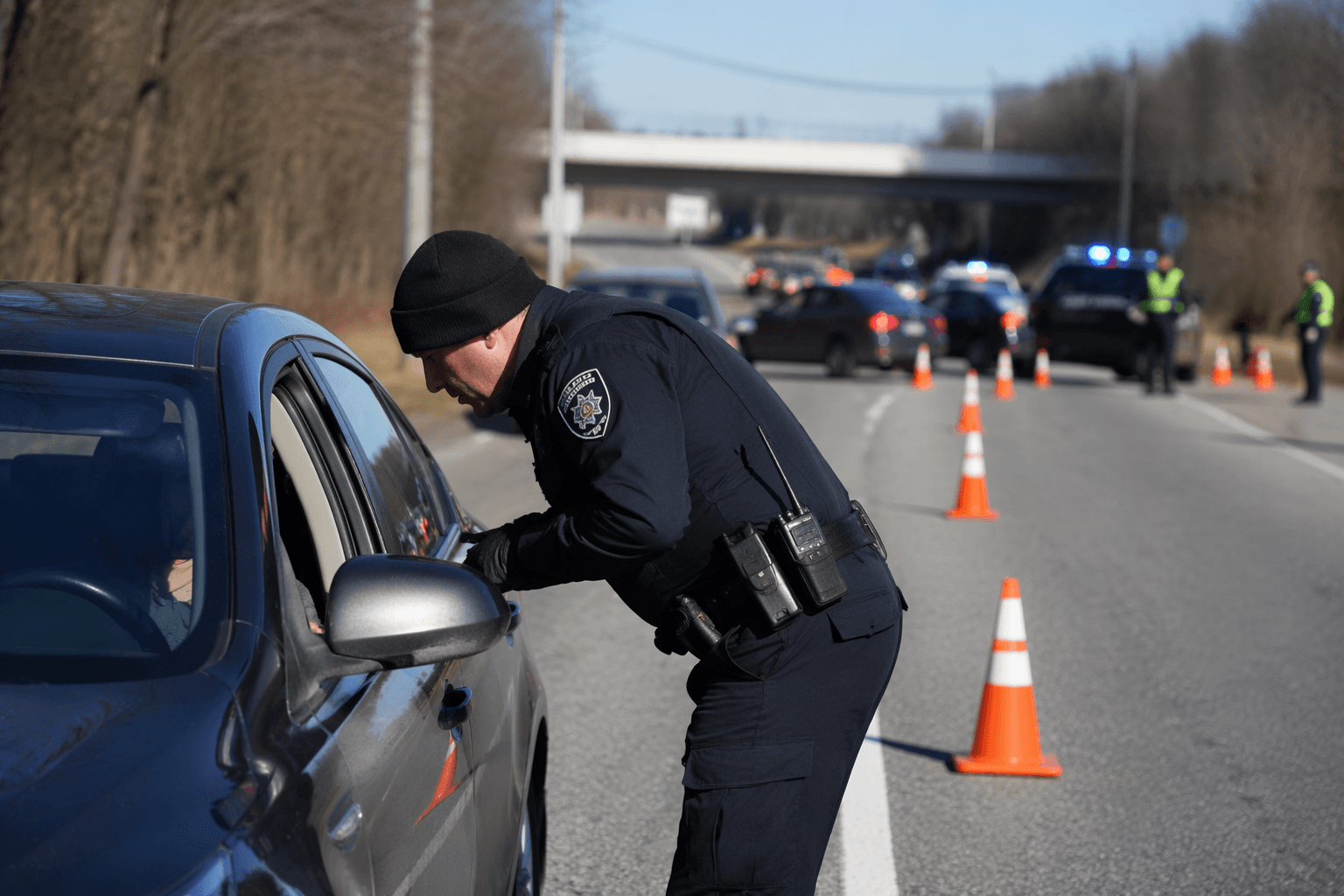
The campaign has been in place since 1994 and uses saturation patrols, sobriety checkpoints and media outreach to discourage impaired driving. Motorists caught driving while impaired can face jail time, lose their driving privileges and pay about $10,000 on average in fines, towing fees and other expenses. NCDOT data show more than 9,000 people have died in alcohol-related crashes in North Carolina since the campaign began.
NCDOT data show 361 people died in alcohol-related crashes in North Carolina in 2024, and the state recorded 11,782 alcohol-related crashes that year. During last year’s Labor Day Booze It & Lose It period, NCDOT counted 444 alcohol-involved crashes and 11 fatalities statewide.

A Guilford County Sheriff's Office Booze it and Lose it checking-station operation on April 18-19, 2024, ran from 11 p.m. to 3 a.m. and included Greensboro police, PTI Airport Police, Gibsonville Police Department, UNCG Police Department and the DWI Task Force, with the Bat Mobile from Raleigh on site.
This article was produced by Prism’s automated news system from verified source data, official records, and press releases, then run through automated quality and moderation checks before publishing. The system is built and supervised by the people who set the standards it runs under. Read our full AI policy.
Did this article answer your question?