Greensboro Science Center welcomes three Allegheny woodrat pups for recovery effort
Three Allegheny woodrat pups born at the Greensboro Science Center are now part of a recovery effort for a North Carolina species of special concern.
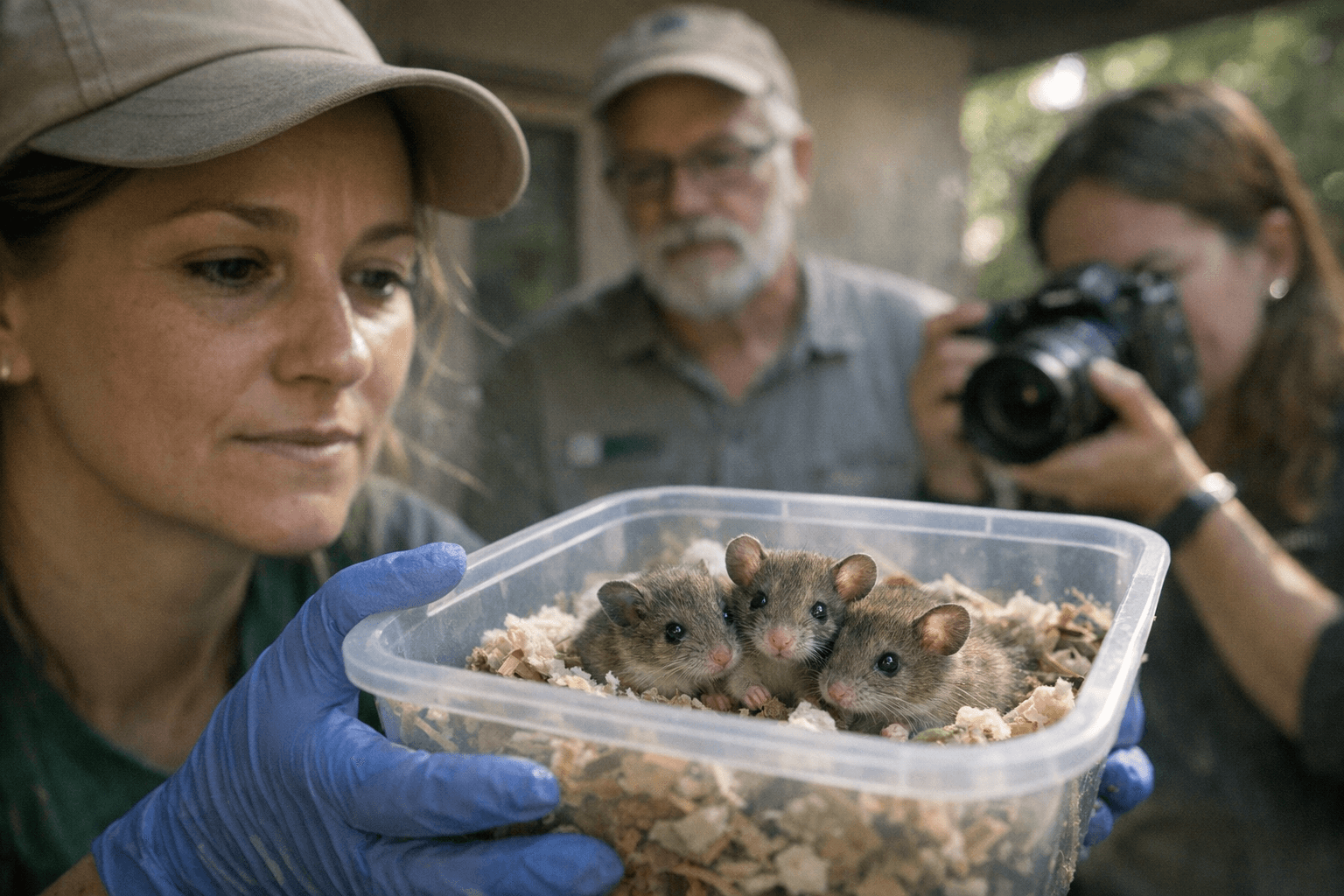
Three Allegheny woodrat pups born March 26 at the Greensboro Science Center have turned a local animal birth into a conservation effort with reach far beyond Guilford County. The pups are not on public exhibit, but they are already being counted on as part of a managed breeding-and-release pipeline for a native species North Carolina considers a species of special concern.
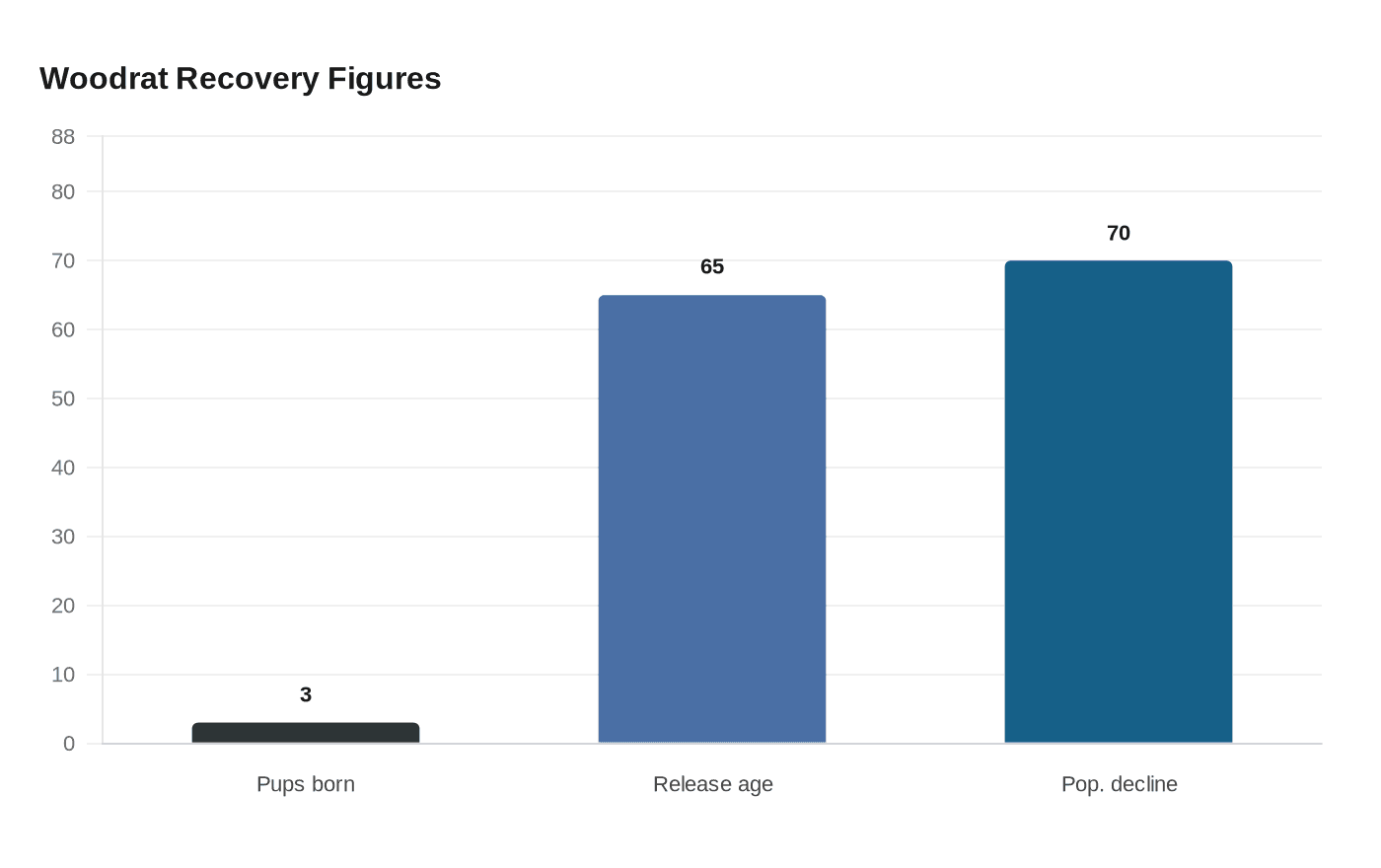
The young woodrats arrived after a female transferred from the Wildlife Center of Virginia gave birth overnight at the Greensboro facility. The Wildlife Center said the mother and pups are doing well, and that the pups are expected to be released into selected habitats when they are about 65 days old. That timeline makes the Greensboro birth more than a curiosity for visitors: it is a step in a coordinated effort to put animals back into the wild.
Allegheny woodrats are considered indicator species, meaning their presence or absence can reflect forest health. They eat nuts, seeds, fruits and fungi, and they help move those foods through the landscape as they forage and cache them. In North Carolina, the species is found mainly north of Buncombe County in rocky habitats such as rock outcrops, boulder fields, abandoned mine portals and caves. The North Carolina Wildlife Resources Commission defines species of special concern as wild animals that need monitoring.
The Greensboro Science Center’s role comes as wildlife agencies, universities and zoos work through the Allegheny Woodrat Working Group on a range-wide recovery effort. The species’ decline has been tied to habitat fragmentation, invasive-species impacts on food, raccoon-spread parasite pressure, human activity and competition from deer, bears and squirrels. Pennsylvania partners say the woodrat population there has fallen by about 70% over the past 40 years, a sign of how steep the pressure has become across the Appalachian region.
For Greensboro, the birth connects a familiar family destination to a much less visible kind of public service. The science center’s animal care team is not just housing wildlife for display; it is helping move a declining native mammal through breeding, monitoring and eventual release. FOX8 reported the births April 19, and the center says the pups will remain behind the scenes as they grow into the next stage of a recovery effort that stretches from North Carolina to Virginia, Maryland and beyond.
This article was produced by Prism’s automated news system from verified source data, official records, and press releases, then run through automated quality and moderation checks before publishing. The system is built and supervised by the people who set the standards it runs under. Read our full AI policy.
Did this article answer your question?