Greensboro seeks donations to furnish homes for Housing First Plus pilot
Greensboro needs beds, tables and cookware for 20 Housing First Plus apartments, with some residents set to move in by June 1.
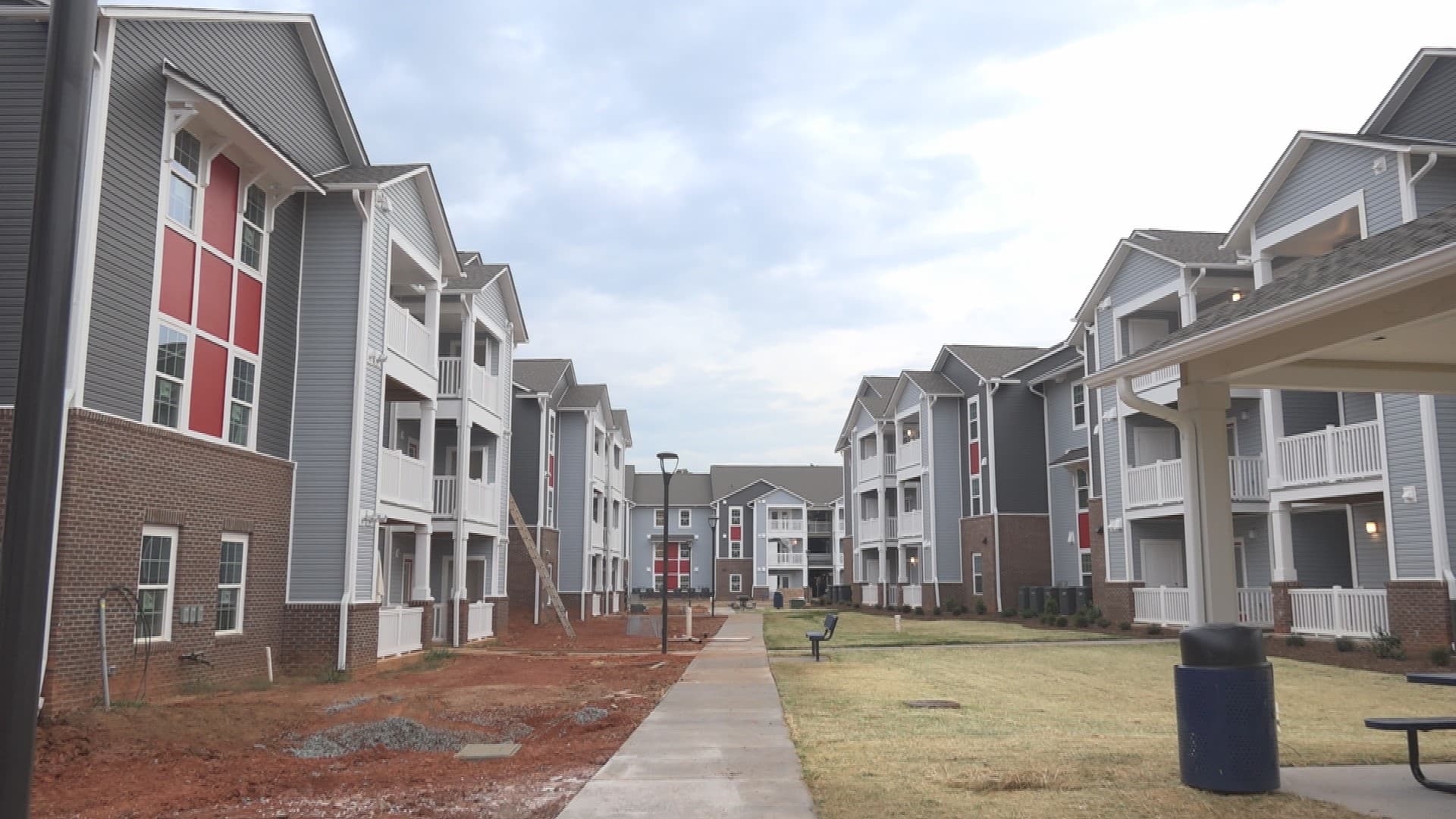
Empty apartments can help get someone off the street, but a mattress, table and set of dishes are what turn a unit into a home. Greensboro asked residents, churches, civic groups and donors on May 8 to help furnish 20 Housing First Plus apartments, and the city said some participants could move into unfurnished homes as soon as Monday, June 1.
The donation list shows how wide the gap is between a lease and livable housing. The city is seeking welcome-home baskets, mattresses, bed frames, dressers, nightstands, lamps, small couches, coffee tables, kitchen tables, dishes, utensils, pots and pans, towels, shower curtains, cleaning supplies, toilet paper and hangers. Housing First Plus is built around that transition, pairing immediate housing with intensive case management and 24/7 mobile crisis support for 20 of Greensboro’s highest-need residents.

The city has also been lining up landlords for the pilot. On April 27, it held a landlord engagement meeting at the Yvonne J. Johnson Event Center at Barber Park to explain the project, the target population, the case management support participants will receive and the incentives available to property owners. Greensboro says the Community Safety Department takes a holistic approach that includes prevention, crisis intervention and long-term support for people whose mental health, substance use or housing problems have led to repeated contact with law enforcement.
The city’s March 20 Housing First Plus proposal put hard numbers behind the plan. Greensboro said the 20 people targeted for the pilot cost the city and local health systems about $30,000 per person each year through EMS calls, emergency-room visits, police manpower and justice-system costs. It estimated the program could cut reactive spending by about $600,000 a year, while also helping downtown commerce, reducing litter and allowing police to focus more attention on violent crime and traffic safety.
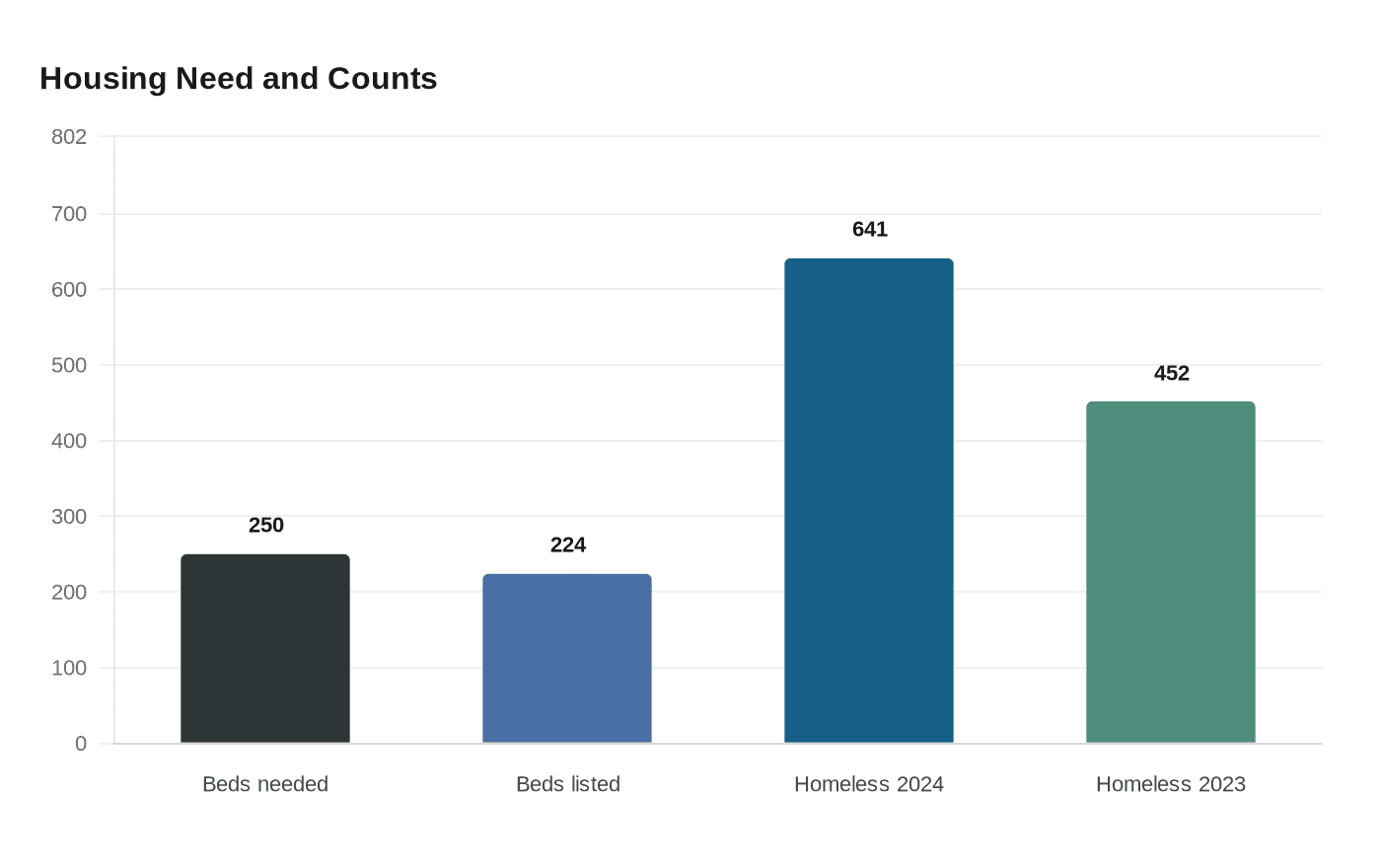
Housing First Plus is the latest step in Greensboro’s shift away from temporary shelter and toward permanent housing. The Doorway Project began in December 2022 as North Carolina’s first temporary shelter community, and by November 2025 the city said 29 clients had moved from the former Regency Inn site into RV sleeping trailers at Pomona Park while 30 pallet homes were relocated and made functional. Greensboro’s broader Housing GSO plan is a 10-year affordable housing strategy, and the city says 250 permanent supportive housing beds are currently needed in Guilford County. The community’s 2023 Continuum of Care inventory listed 224 permanent supportive housing beds, while the 2024 Point-in-Time count found 641 people experiencing homelessness, up from 452 the year before.
This article was produced by Prism’s automated news system from verified source data, official records, and press releases, then run through automated quality and moderation checks before publishing. The system is built and supervised by the people who set the standards it runs under. Read our full AI policy.
Know something we missed? Have a correction or additional information?
Submit a Tip