Greensboro student’s essay to Virginia Foxx sparks backlash over teacher criticism
A Greensboro 10-year-old wrote Virginia Foxx about a $5,000 EV rebate. The reply, and its criticism of his teacher, turned a class exercise into a trust test.
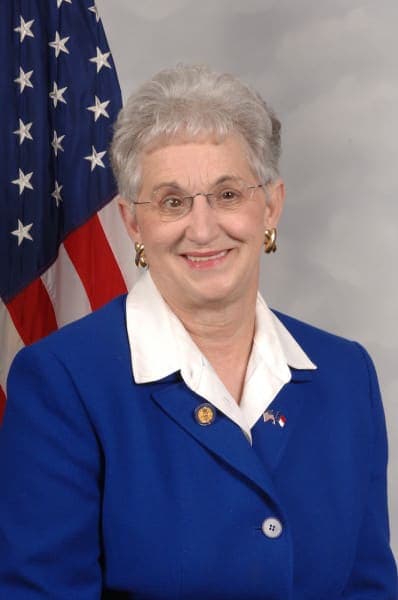
A 10-year-old Canterbury School student’s persuasive essay about a $5,000 tax rebate for electric cars turned into a sharper local question: how does Greensboro’s congresswoman speak to children, parents and teachers in Guilford County?
Christian Mango wrote the essay as part of a classroom assignment that asked students to send their work to a decision-maker. He chose U.S. Rep. Virginia Foxx, whose district includes Greensboro and Guilford County. The school mailed the essay in April, and a few weeks later the family received a reply by email.
Emily Mango said the response went well beyond a disagreement over electric-vehicle policy. Foxx thanked Christian for writing, but she rejected the rebate idea and drew on outside media material in making her case. The part that upset the family most was the congresswoman’s criticism of the teacher, which Emily Mango said crossed a line because the assignment was a school exercise chosen by her son, not a political stunt.
Christian Mango said he understood part of the response but not all of it, and he said it was wrong for the teacher to be singled out. That reaction matters in a district where Foxx’s office says it serves residents, students and educators, and where constituent trust can hinge as much on tone as on policy. Foxx has represented North Carolina’s 5th Congressional District since Jan. 3, 2005, and is running for re-election in 2026.
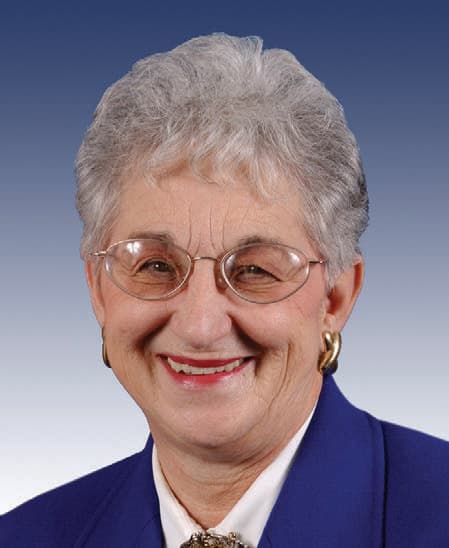
The episode also highlights the setting that produced the essay in the first place. Canterbury School in Greensboro describes itself as a preschool through 8th grade Episcopal school founded in 1993, with an emphasis on service learning and exposure to a variety of perspectives and ideas. In that context, a persuasive-writing assignment was meant to teach civic argument, not to trigger a public clash between a congresswoman and a child’s teacher.
There is also a policy layer beneath the family dispute. Federal clean-vehicle tax credits are governed by Internal Revenue Service rules that depend on the vehicle, purchase date and use, and a separate federal credit for home EV charging equipment applies only if the property is placed in service before July 1, 2026. The North Carolina Department of Environmental Quality points residents to federal clean-energy tax credit information rather than a state purchase rebate for electric cars. That makes Christian Mango’s proposal unlikely as written, but it also shows the essay touched a real debate over transportation costs, climate policy and who gets the benefit of government incentives.
For Greensboro families, the bigger issue is not just whether a 10-year-old picked a workable policy idea. It is whether an elected official can disagree with a student without turning a classroom assignment into a judgment on the adults around him.
This article was produced by Prism’s automated news system from verified source data, official records, and press releases, then run through automated quality and moderation checks before publishing. The system is built and supervised by the people who set the standards it runs under. Read our full AI policy.
Did this article answer your question?

