Guilford County backs regional plan to ease looming water, sewer shortages
A regional sewer fix could run up to $3.1 billion as Greensboro warns its 100-year-old lines and drought-prone reservoirs are under strain.
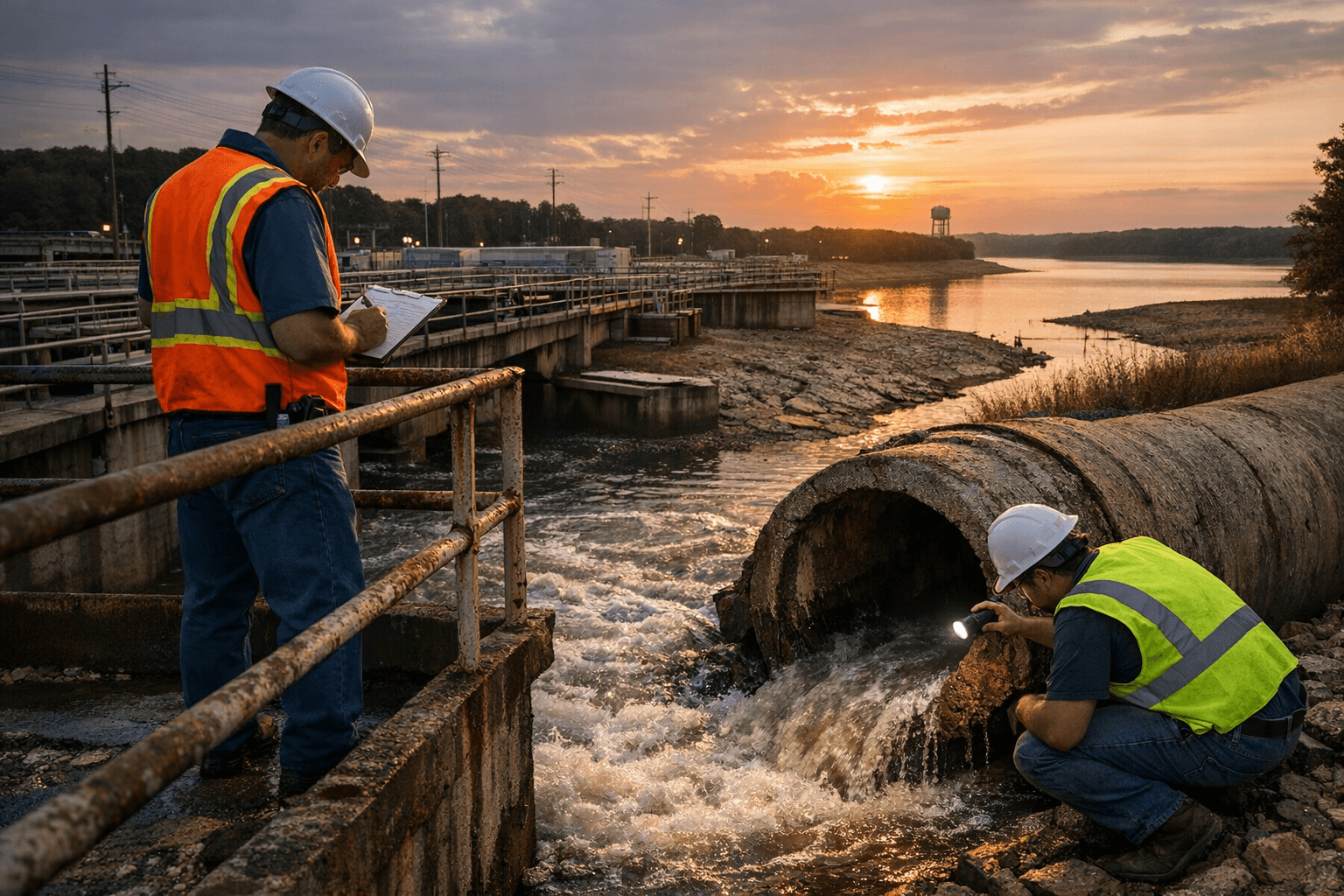
A looming water and sewer shortage could slow new homes, industrial sites and future jobs in Greensboro and High Point unless Guilford County and regional utilities settle on a multibillion-dollar fix. The pressure is already being felt across the US 421 corridor, where planners say growth through 2050 will outstrip existing capacity.
In March, the Guilford County Board of Commissioners moved to formally support the Piedmont Triad Regional Water Authority’s planning work. That effort follows the North Carolina Department of Environmental Quality’s Regional Water and Wastewater Infrastructure Concept Plan, submitted May 1, 2024, which mapped water demand and wastewater flows through 2050 and flagged major capacity needs across the Piedmont Triad.
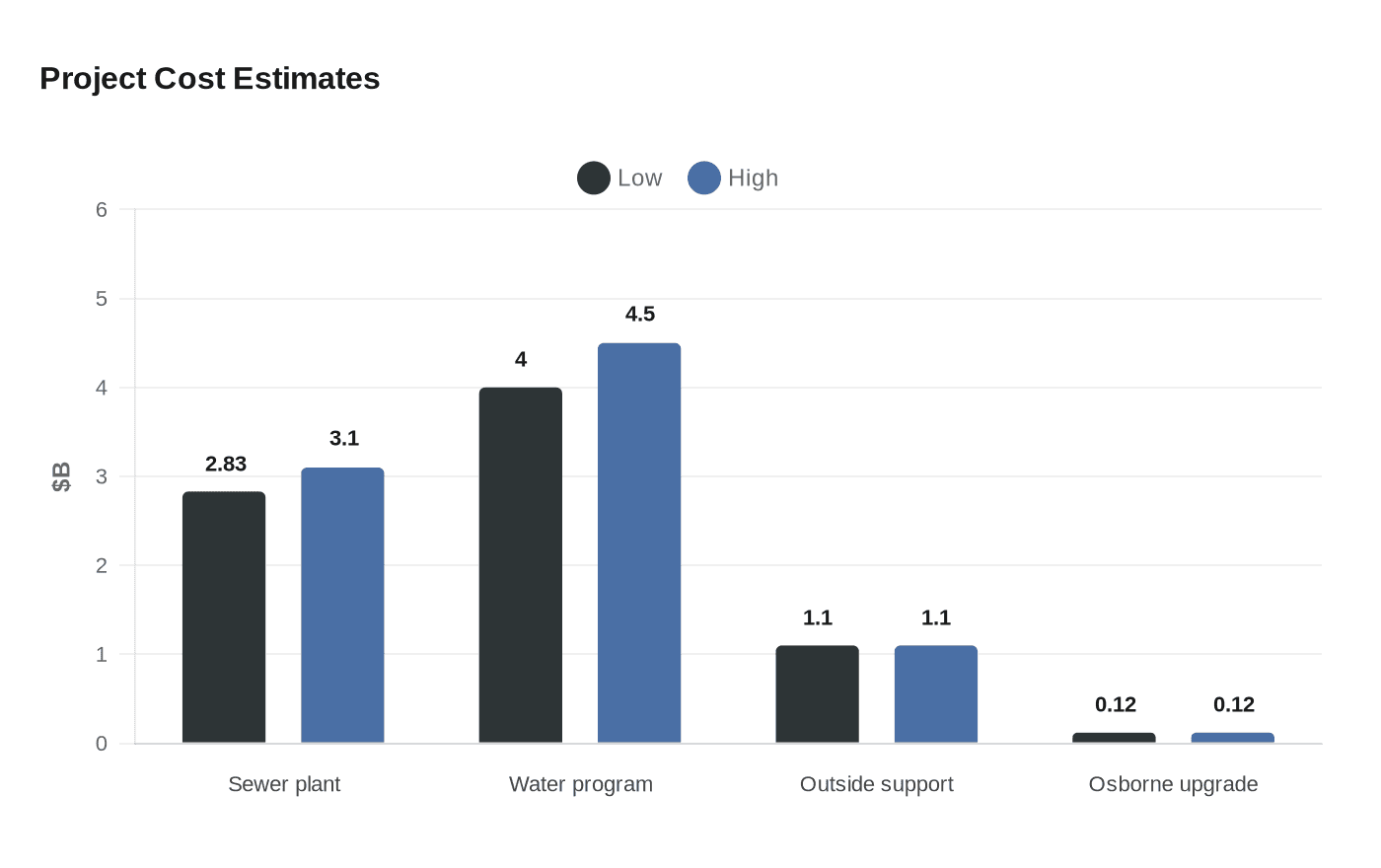
The money involved is large enough to shape how fast the region can grow. A new regional sewer plant has been publicly estimated at roughly $2.83 billion to $3.1 billion. One broader water and wastewater program has been described at about $4 billion to $4.5 billion, with roughly $1.1 billion in outside support cited as the level needed to keep household rate increases moderate.
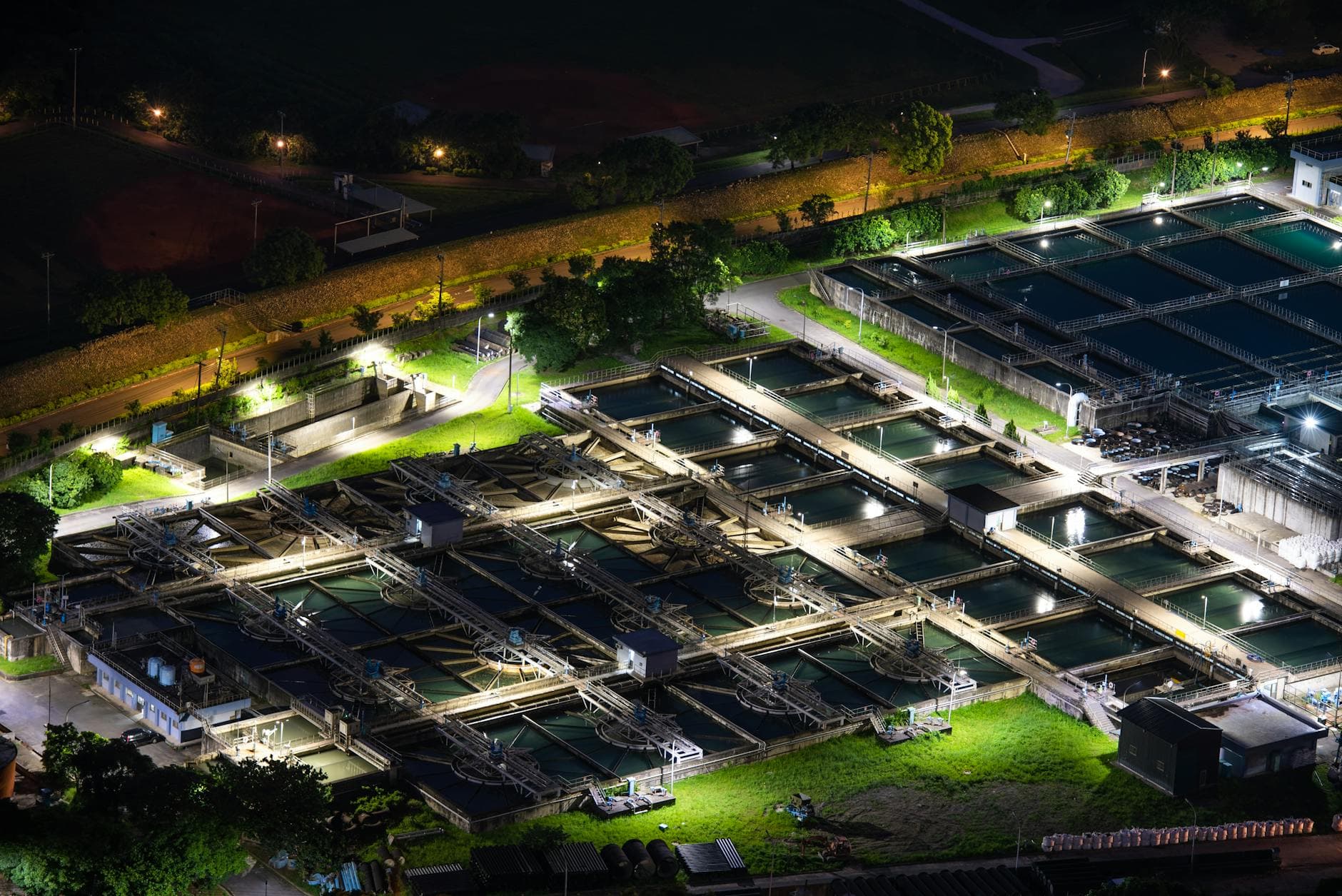
That cost debate matters because Greensboro says its system is already carrying an old burden. The city says parts of its water and sewer network are more than 100 years old, and that failing to replace aging assets could lead to more main breaks, sewer cave-ins and treatment plant outages. Greensboro also says the more than $120 million upgrade to the T.Z. Osborne Water Reclamation Facility, completed in 2020 to meet Jordan Lake nutrient limits, showed how expensive compliance can be. Because Greensboro sits at the top of the Cape Fear watershed and relies on surface-water reservoirs, the city says it is more vulnerable to drought than many utilities.
The first places to feel a capacity crunch would likely be the projects that need the most water and sewer service at once: housing subdivisions, industrial sites and economic development land tied to Piedmont Triad International Airport. House Bill 748 in 2025 proposed a $5 million grant for Greensboro planning work on water and wastewater extensions to PTI economic development sites, underscoring how closely utility access and job growth are tied together. House Bill 694 also called for a statewide study of water and wastewater regionalization, reflecting a broader recognition in Raleigh that North Carolina’s distressed systems problem cannot be left to each city alone.
The Piedmont Triad Regional Water Authority says it has commissioned a Master Planning study to sort through the technical, regulatory, operational, organizational and administrative options for future service. The direction under discussion now is a coordinated regional wastewater solution, with Guilford and Randolph counties and member utilities weighing how to secure water and sewer service that can support economic vitality without pushing bills too sharply higher. For Greensboro and High Point, the next phase of growth may depend less on land and more on pipes, pumps and the price of building them.
This article was produced by Prism’s automated news system from verified source data, official records, and press releases, then run through automated quality and moderation checks before publishing. The system is built and supervised by the people who set the standards it runs under. Read our full AI policy.
Did this article answer your question?