Guilford County child poverty shows troubling lack of progress
Guilford County still had a 14.6% poverty rate in 2024, with about 76,200 people below the poverty line as child-well-being cards kept sounding the same warning.
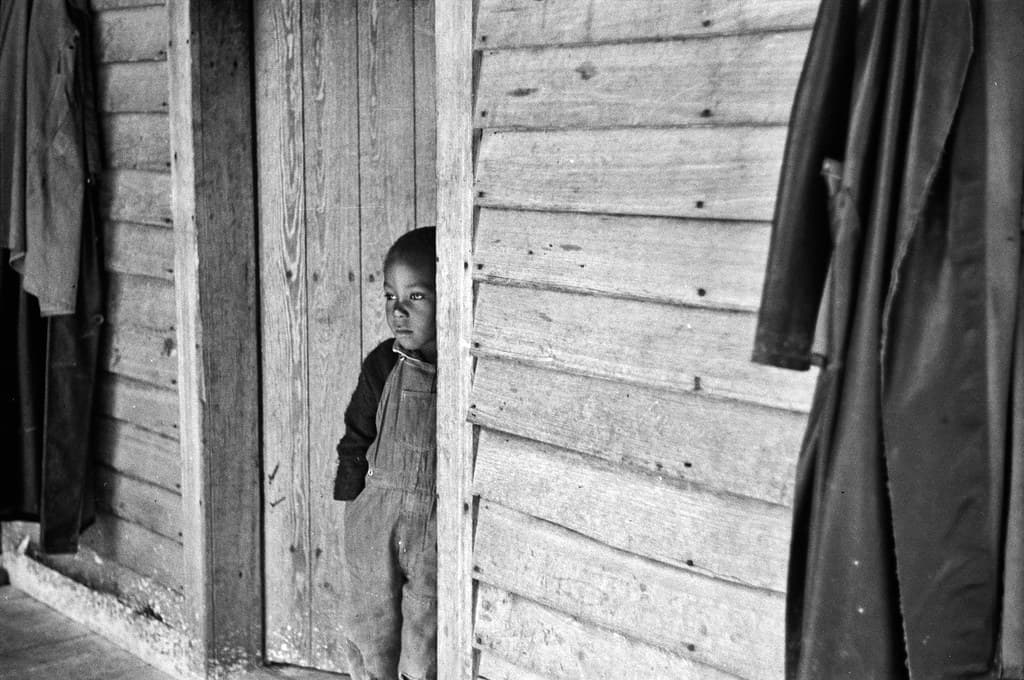
Guilford County’s latest child data card lands against a stubborn poverty picture: 14.6% of the county’s population lived under the poverty line in 2024, and about 76,200 people were below that line in the 2020 to 2024 period. The county’s broader economy kept moving in some places, but the numbers show that growth has not yet translated into the kind of relief families need most.
NC Child’s county data cards are built as printable snapshots of child well-being across five areas: A Strong Start, Family Economic Security, Nurturing Homes and Communities, Health and Wellness, and High-Quality Education. That makes the Guilford County card more than a poverty chart. It is a countywide scorecard for whether children are getting the supports that shape school readiness, health and long-term academic performance.
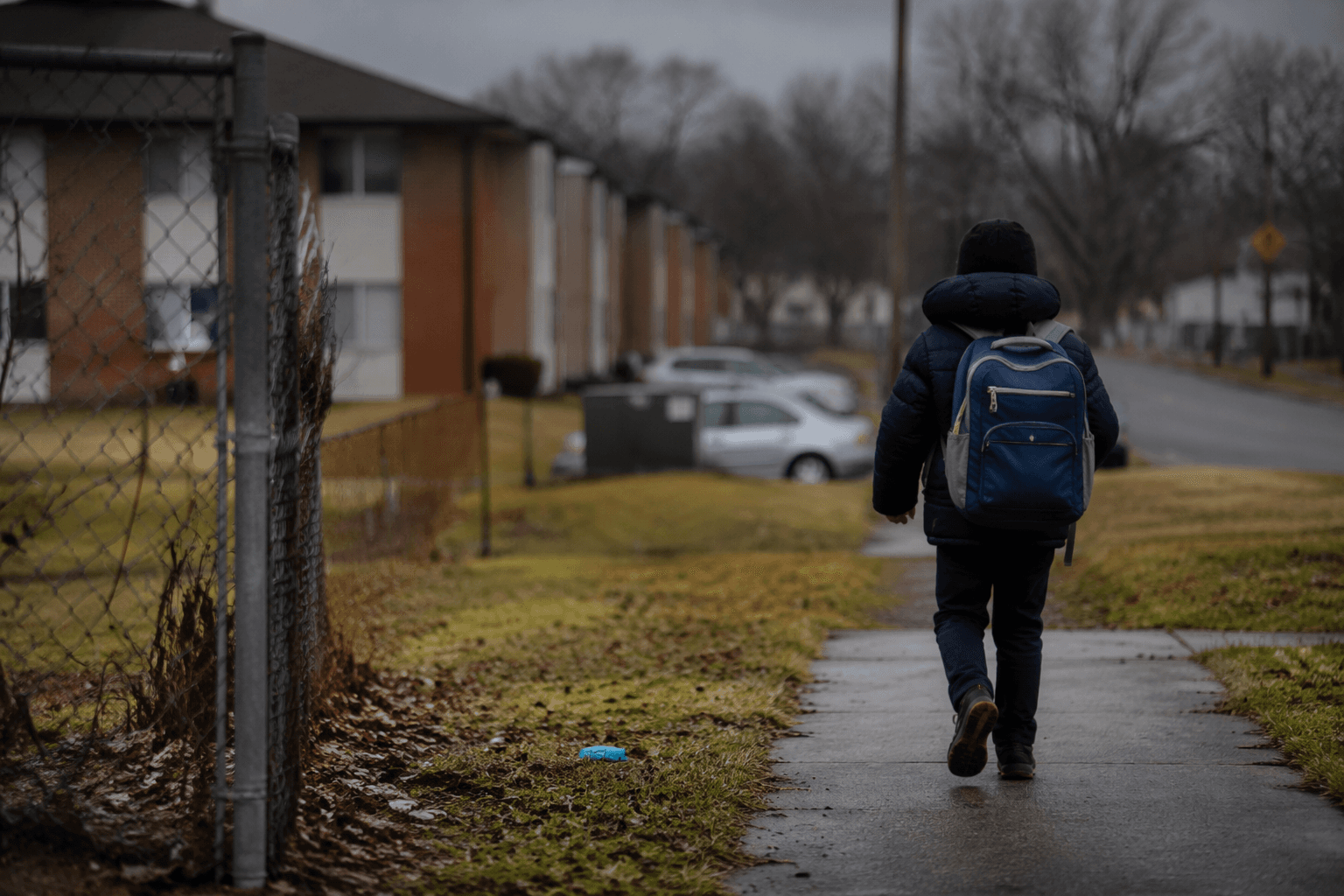
The timing matters because the child-poverty measure lags current conditions. County Health Rankings & Roadmaps says its 2025 annual data release used 2023 and 2019 to 2023 data for the children-in-poverty measure. In other words, by the time leaders see the signal, the hardship that produced it is already baked into school lunch counts, classroom needs and the demand for family assistance.
The economic backdrop is mixed. Data USA shows Guilford County’s 2024 poverty rate was 4.24% lower than the prior year, while median household income rose 3.96% year over year, median property value climbed 10.6%, and the employed population grew 1.31%. Those gains matter, but they have not erased the scale of need. A county where property values and incomes are rising can still leave too many children exposed if wages, housing costs and family budgets do not keep pace.
NC Child has been pushing county-by-county benchmarks for years. In April 2022, it released county data cards on child health and well-being in all 100 counties, and in September 2025 it expanded that effort with a data center and county cards focused on youth health, education and well-being. Guilford County already has an early-childhood infrastructure in place through Ready for School, Ready for Life, which the Stanford Center on Early Childhood describes as a backbone organization whose system-building work began with focus groups in 2014 with parents of young children and providers.
The county’s Division of Public Health maintains health data and reports, and the Department of Social Services handles reporting for suspected child abuse or neglect and other family support functions. With those systems already in place, the next test for Guilford County is whether its schools, agencies and elected officials can turn another warning into measurable progress.
This article was produced by Prism’s automated news system from verified source data, official records, and press releases, then run through automated quality and moderation checks before publishing. The system is built and supervised by the people who set the standards it runs under. Read our full AI policy.
Did this article answer your question?