Guilford County student finds career path in welding and fabrication
A Jamestown student is turning welding classes into a direct path to a union apprenticeship, showing Guilford County’s career-tech pipeline in action.
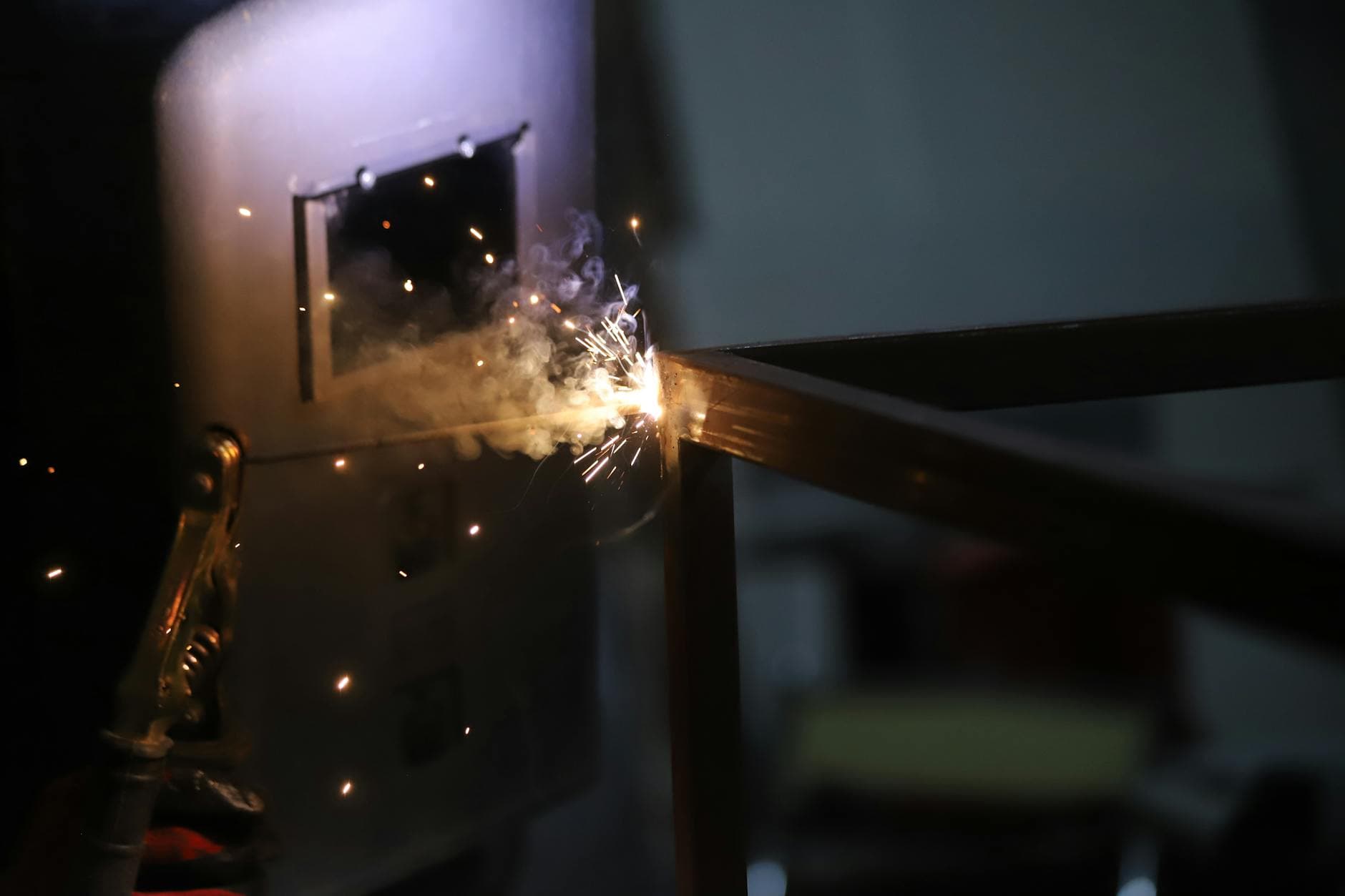
A Jamestown teenager is treating welding class as the first step toward a paycheck, a certification, and a union apprenticeship, not a detour from school. Jonathan Lopez’s path at The Middle College at GTCC-Jamestown shows how Guilford County’s career-tech system can connect a student’s interests to the region’s labor needs.
How Jonathan Lopez found the right fit
Lopez did not start out looking for a four-year college track. He said academic-only classes were not where he felt most engaged, and he began to see welding and fabrication as work that matched both his interests and his abilities. That shift matters because it turns a student profile into a workforce story: one local school path is helping a young person move from classroom learning toward a skilled trade.
His interest in metal work was sparked by his uncle, who also works with metal, and that family connection gave the trade a familiarity many students do not get from a textbook. Lopez is now aiming for a union apprenticeship as soon as he turns 18, a goal that gives his school experience immediate value for employers who need trained workers and for families looking for a route into stable wages.
Why the middle college model matters
The Middle College at GTCC-Jamestown is built for students who want more than a traditional high school schedule. It is a four-to-five-year program serving grades 9-13, and the school says students can leave with an associate’s degree or college credit while still in high school. Guilford County Schools says students in these cooperative innovative high school programs have tuition, student fees, textbooks, and transportation covered, which lowers one of the biggest barriers to college and career training.
Lopez said the structure helped him settle in. The day starts later than at a traditional high school, class sizes are smaller, and staff members are attentive and supportive. For a student who describes himself as more introverted, that combination can be as important as the trade classes themselves, because it creates room to build confidence while learning a career skill.
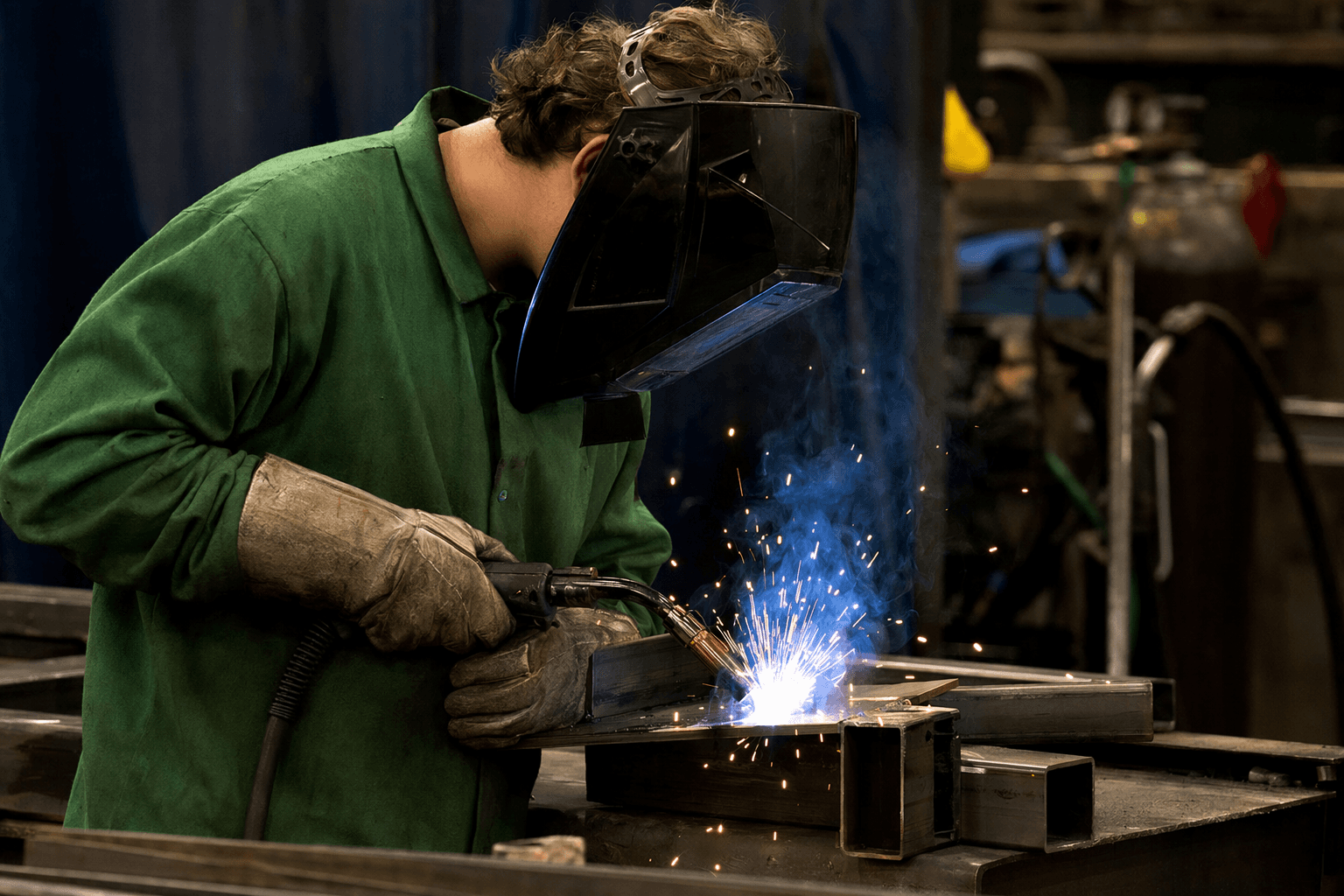
That support also showed up outside the shop. Lopez joined Yearbook Club, learned to design pages, and got encouragement from upperclassmen and teachers. The school’s value proposition is not just that it teaches welding or hands-on skills, but that it creates a setting where students can find a place socially while they prepare for work or college credit.
The local pipeline behind the classroom
The school’s location inside Guilford Technical Community College’s Jamestown campus gives the pathway more weight than a typical high school elective. GTCC’s Jamestown campus was established in 1958, covers 257 acres, and serves about 7,000 students daily. Within that footprint sits the Center for Advanced Manufacturing, a 200,000-square-foot facility that includes welding programming and gives students a direct look at the type of technical training that feeds regional employers.
GTCC says its early and middle college schools are tuition-free and can lead students toward an associate degree, junior transfer status at a four-year university, or skilled-trades credentials. In welding, the college says students can be prepared for AWS Level I Entry Welder certification, a credential that gives employers a clearer signal about a student’s readiness for entry-level work. For families weighing the cost of school, that mix of no tuition and a defined credential path is the kind of return on investment that matters.
The school itself has been part of that model for years. The Middle College at GTCC-Jamestown opened in August 2004 as one of five model Middle College High Schools under Governor Easley’s initiative, and the school says it later received the North Carolina Lighthouse Award for creative and innovative schools. That history helps explain why the program is more than a niche option. It is part of a longer institutional effort to blend high school, college, and workforce preparation.
Why welders matter to the Triad economy
The broader labor picture makes Lopez’s choice look even more practical. The U.S. Bureau of Labor Statistics projects about 45,600 annual openings nationwide for welders, cutters, solderers, and brazers over the decade, with most openings driven by replacement needs. In North Carolina, the job market remains active as well, with 231,000 job openings in December 2025.
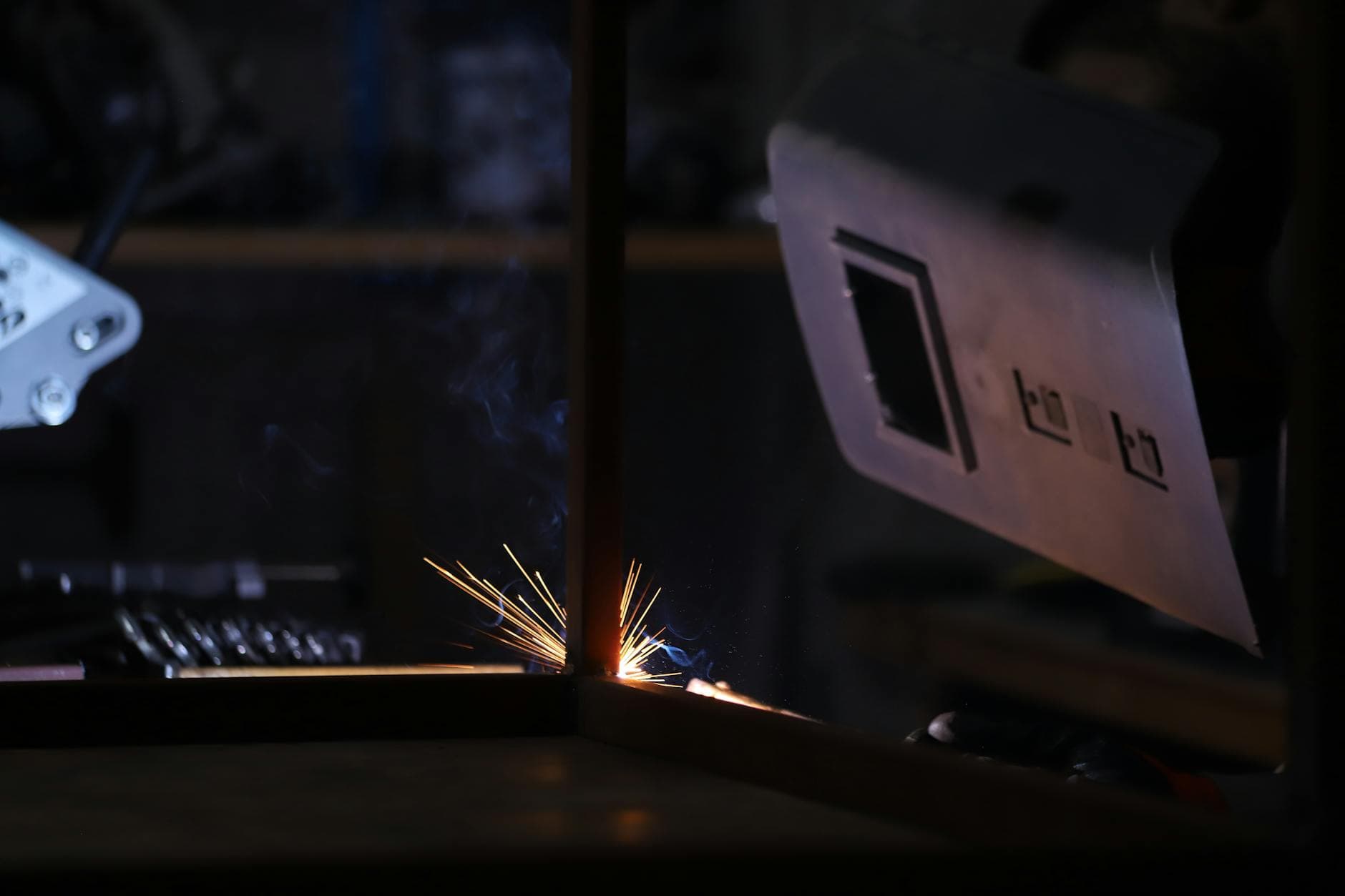
Welding is not only about one type of shop work. The trade supports construction, manufacturing, transportation, food processing, and other industries that depend on precise fabrication and durable infrastructure. That is why schools and employers across Guilford County pay attention to whether students are learning these skills now, because the work touches everything from plant operations to the structures that keep the Triad moving.
For local employers, that means the question is not just whether students like the program. It is whether the district is creating workers who can step into real jobs, earn wages, and fill open positions without leaving the county to find a start. Lopez’s plan points directly at that question.
How SOAR connects school to apprenticeship
Guilford County Schools has also widened the pathway beyond middle college. In May 2023, the district established SOAR, a registered pre-apprenticeship program created with ApprenticeshipNC to help students enter and succeed in registered apprenticeships. That matters because it gives students a structured bridge from career classes to employer-based training.
Lopez’s goal of waiting until he turns 18 to enter a union apprenticeship fits neatly into that system. North Carolina requires workers under 18 to have a Youth Employment Certificate, and state youth-work rules include hazardous occupation restrictions along with apprenticeship and student-learner exemptions. For a student choosing a skilled trade, that legal framework is not a footnote. It helps explain why schools, employers, and families need a clear plan before a young person steps onto a jobsite.
Taken together, the middle college, the manufacturing center at GTCC, the welding certification pathway, and SOAR form a local pipeline with real stakes. Lopez is not just picking a class. He is moving through a Guilford County system that is trying to turn school programs into jobs, credentials, and wages that Triad employers actually need.
This article was produced by Prism’s automated news system from verified source data, official records, and press releases, then run through automated quality and moderation checks before publishing. The system is built and supervised by the people who set the standards it runs under. Read our full AI policy.
Did this article answer your question?

