High Point farmer urges shoppers to check produce sources amid outbreak
High Point’s Rhonda Ingram said shoppers were asking where produce came from as North Carolina cyclosporiasis cases rose. State officials named parsley, cilantro and lettuce.

Rhonda Ingram of Ingram’s Family Farm in High Point said shoppers were paying closer attention to where their produce came from as cyclosporiasis cases rose across North Carolina. She said regular customers came into the farm’s storefront each week and trusted its safe growing practices because they knew the products and knew they were getting fresh things.
Cyclosporiasis is an intestinal illness caused by the Cyclospora parasite and is often linked to contaminated fresh produce. The illness can bring prolonged diarrhea, stomach cramps, nausea, fatigue and weight loss, which makes it more disruptive than a typical stomach bug for people trying to keep up with work, school and family routines in Guilford County.
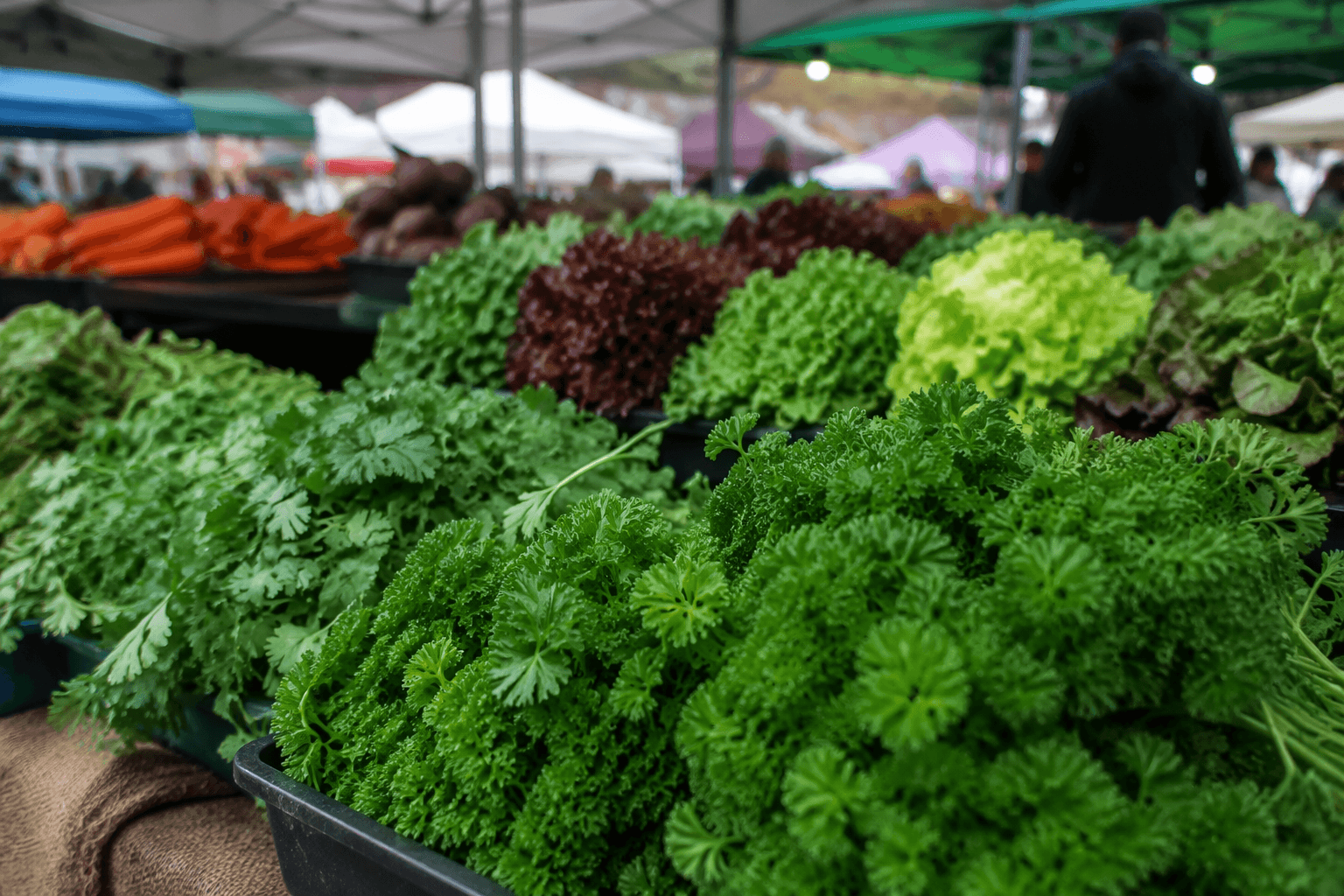
North Carolina health officials said on July 14 that the state was among dozens of states seeing an increase in cyclosporiasis cases. By July 17, the North Carolina Department of Health and Human Services said parsley, cilantro and lettuce were the most common items among reported state cases. WXII 12 said the increase in North Carolina did not appear to be tied to the separate Taco Bell outbreak in other states, but instead to those produce items.
The outbreak has stretched far beyond the Triad. NPR reported July 12 that cases had been detected in 34 states, and ABC11 reported July 18 that more than 300 cases had been reported in North Carolina. The CDC also maintained a Cyclospora outbreak investigation update in July 2026 as the case count continued to move.
For shoppers in High Point, Greensboro and the rest of Guilford County, the change is less about panic than about the questions now attached to a bag of greens or a bunch of herbs. Buying local can give people a clearer line of sight to a farm’s growing practices and a shorter path from field to storefront, but it does not make produce immune to Cyclospora. It also does not replace basic handling steps: wash produce thoroughly, keep raw foods separate from ready-to-eat items and seek medical advice if symptoms are severe or persistent.
That is the consumer shift Ingram described at her farm, where trust now depends as much on traceability as on taste. In a week when parsley, cilantro and lettuce were under scrutiny, Guilford County shoppers had one more reason to ask who grew it, who handled it and how direct the path to the shelf really was.
This article was produced by Prism’s automated news system from verified source data, official records, and press releases, then run through automated quality and moderation checks before publishing. The system is built and supervised by the people who set the standards it runs under. Read our full AI policy.
Did this article answer your question?