High Point grows faster than Greensboro, Winston-Salem in Triad shift
High Point’s 1.9% growth outpaced Greensboro and Winston-Salem, a shift that could tighten housing, strain roads and pull more employers into Guilford County.
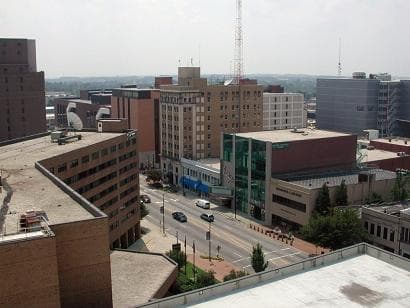
High Point is growing faster than Greensboro and Winston-Salem, and that gap could reshape the next round of housing, retail and infrastructure decisions across Guilford County. With High Point up 1.9 percent while both larger Triad neighbors remained below 1 percent, the city is emerging as the clearest local beneficiary of a broader shift toward midsize metros.
That matters because growth does not stay abstract for long. In High Point, more residents usually mean more pressure on homes, apartments and the retail strips that follow them. Builders and landlords tend to respond first, but school enrollment, road wear and utility demand quickly follow. As the city absorbs more of the region’s growth, Guilford County leaders may find that planning, zoning and public investment questions are increasingly shaped by where families are choosing to settle, not just where the county wants to expand.
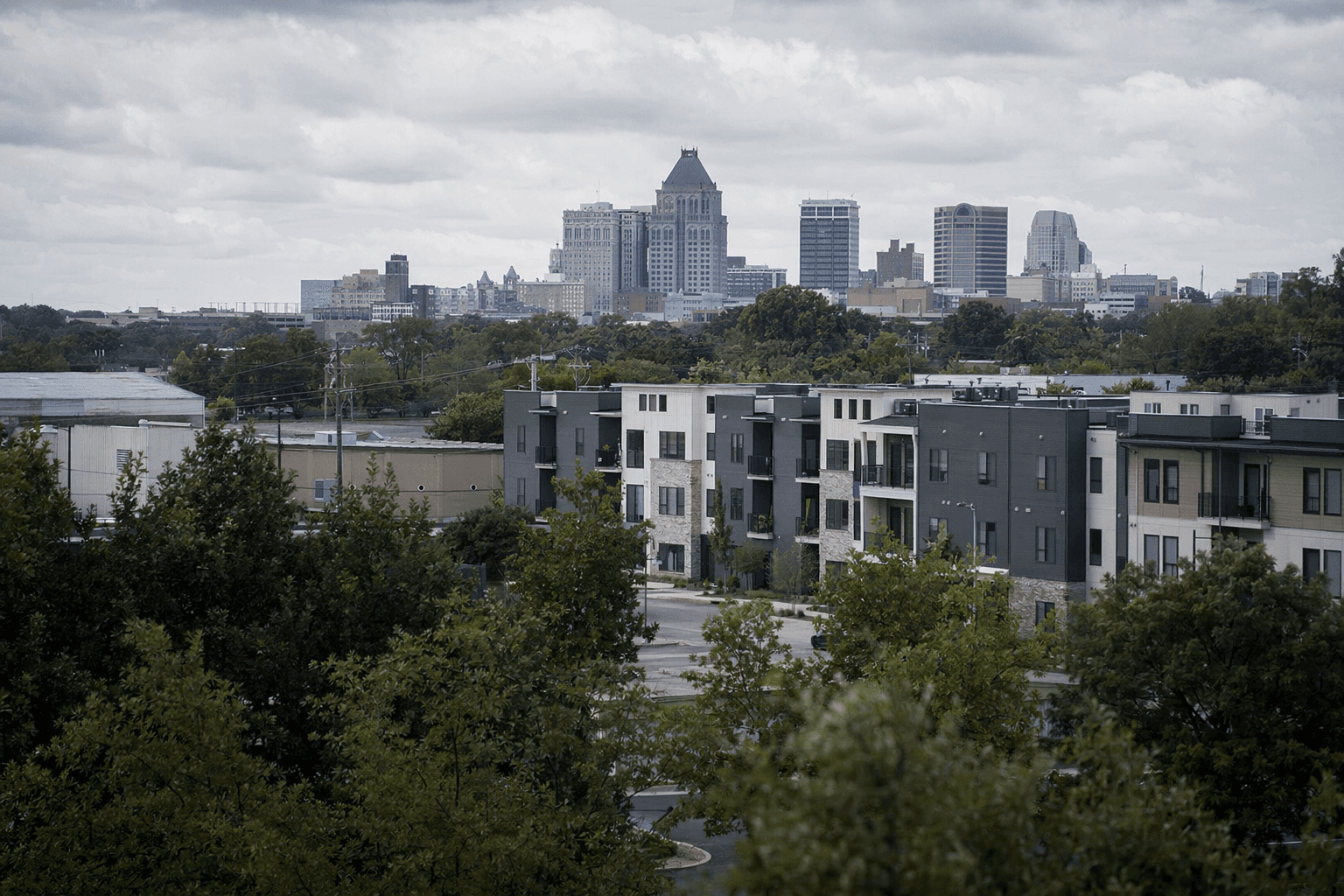
The numbers also suggest a changing balance inside the Triad. Greensboro and Winston-Salem still anchor the region by size, but High Point’s faster pace points to a more uneven growth pattern in which one city gains traction even as its larger neighbors advance more slowly. For employers, that can be a signal that High Point offers a workable mix of cost, location and opportunity at a time when larger metros are more expensive. For households, it can mean a market where demand is building before supply catches up.
That pressure can show up in places residents feel every day. A city that grows faster than its neighbors can see homes tighten sooner, rental options become harder to find and everyday commercial development accelerate along the corridors that serve new subdivisions and job sites. Restaurants, banks and other service businesses often follow the rooftops, while county and city officials are left to decide how fast roads, schools, parks and utilities can keep up.
The broader takeaway is that Guilford County’s growth story may be becoming less even, not less important. If High Point continues to outpace Greensboro and Winston-Salem, the county’s next economic debate will not just be about how to manage expansion. It will be about where the pressure lands first, and which places are best positioned to turn that demand into long-term momentum.
This article was produced by Prism’s automated news system from verified source data, official records, and press releases, then run through automated quality and moderation checks before publishing. The system is built and supervised by the people who set the standards it runs under. Read our full AI policy.
Did this article answer your question?