NC A&T wins federal grant to help North Carolina quinoa farmers
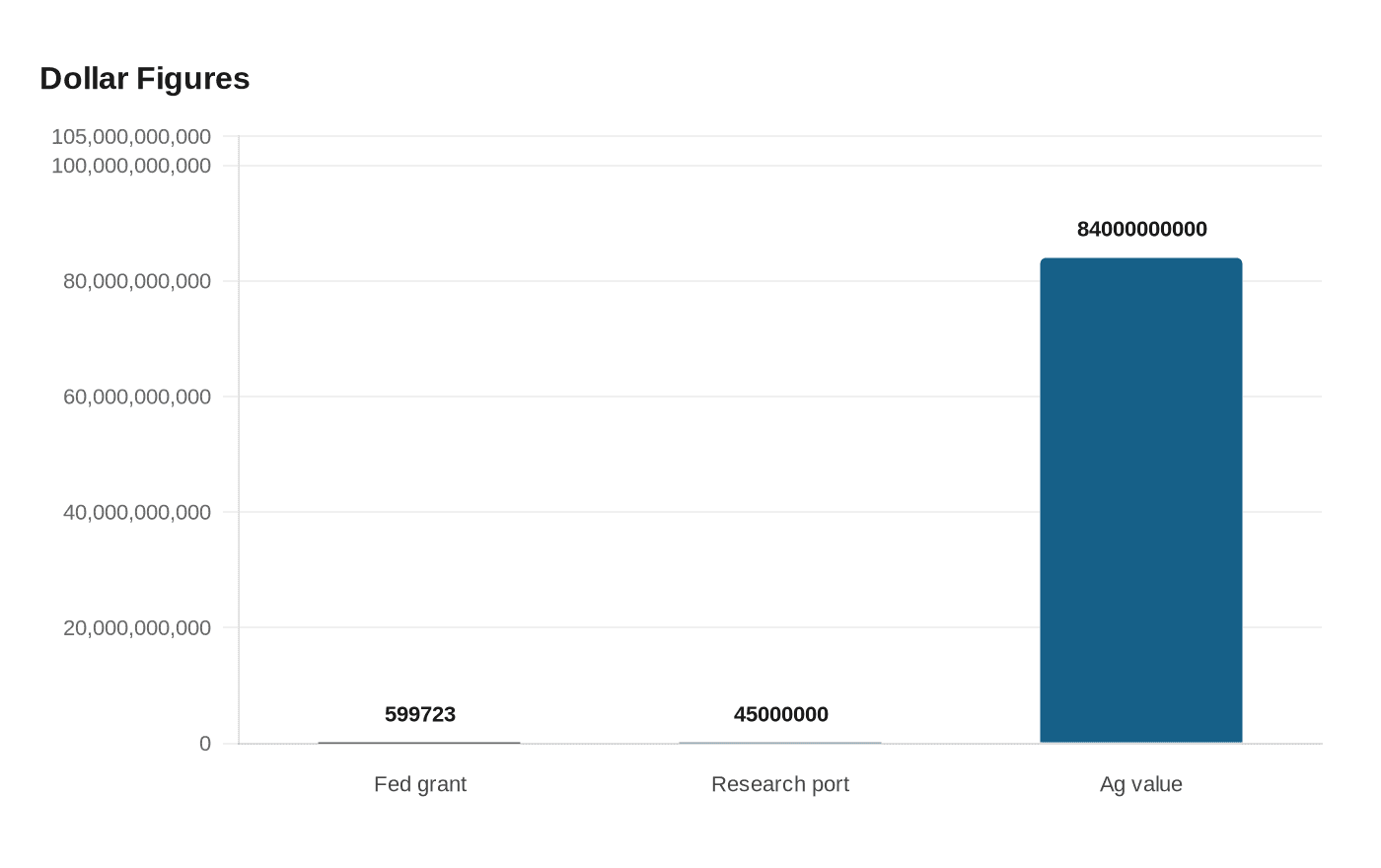
NC A&T landed part of a $599,723 USDA grant to test quinoa as a cash crop, betting Greensboro research can help North Carolina farmers reach a new market.

North Carolina A&T State University is trying to turn quinoa from a niche grain into a North Carolina cash crop, backed by a $599,723 federal grant that could help growers chase a market built on food, climate and profit.
The university will receive a portion of the USDA National Institute of Food and Agriculture award through the 1890 Institution Capacity Building Grants Program. Harmandeep Sharma, a research assistant professor in crop science and digital agriculture in A&T’s College of Agriculture and Environmental Sciences, is the co-principal investigator on the project. It is led at Lincoln University of Missouri by Addissu Ayele, an assistant professor of crop physiology with the Lincoln University Cooperative Research Program.
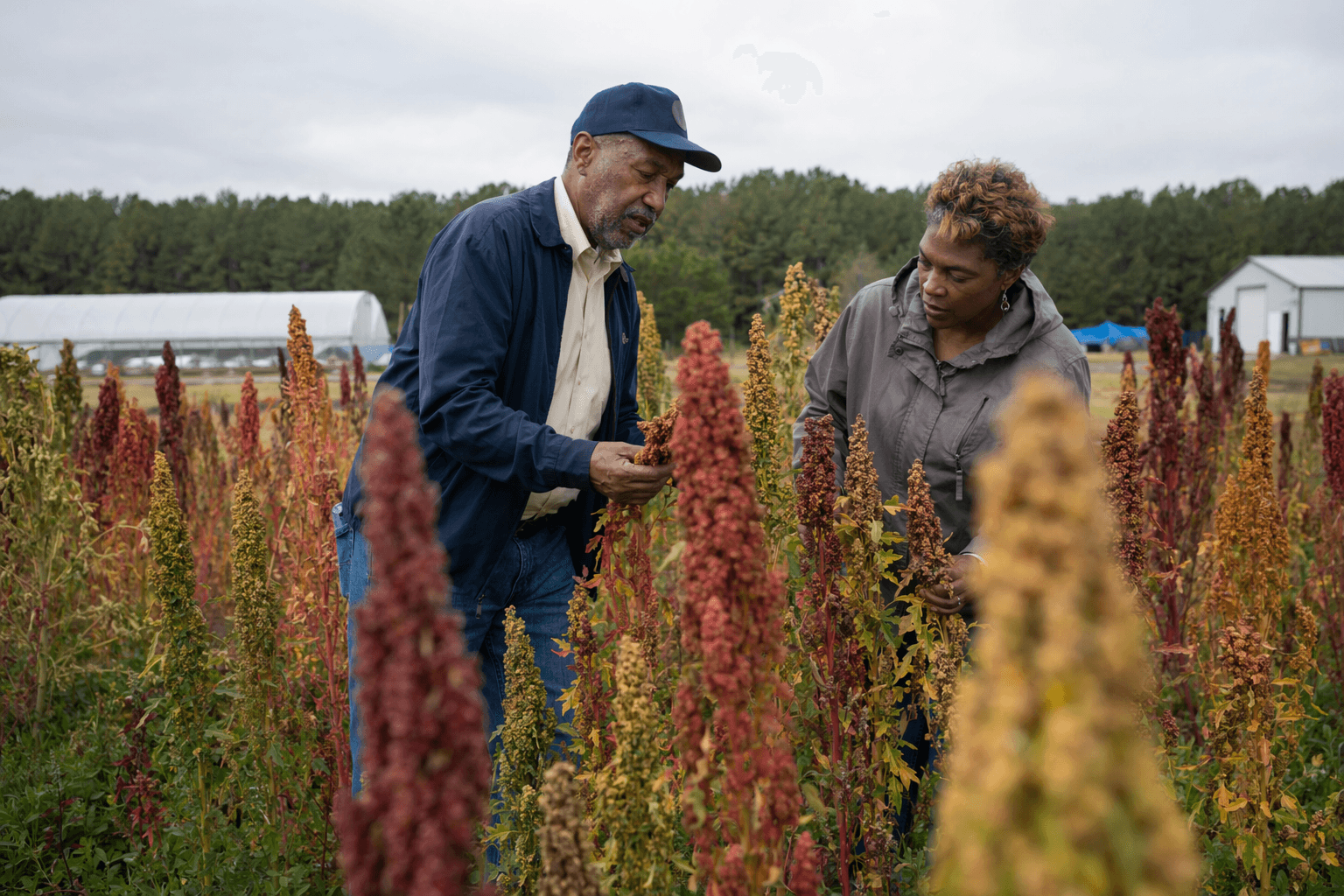
The research is designed to test how technologies can improve quinoa’s yield and quality, a practical question for farmers deciding whether a new crop can survive outside experimental plots. Quinoa has drawn attention because it is protein-rich, gluten-free and drought-tolerant, but agricultural marketing sources also note a major limitation for the Southeast: it can handle drought, high winds and frosts, yet it does not tolerate high temperatures during the growing season, especially during flowering. That makes the work as much about soil and weather adaptation as it is about consumer demand.
For Guilford County, the grant matters because NC A&T is one of the county’s most influential institutions, and its agricultural work reaches far beyond Greensboro. The College of Agriculture and Environmental Sciences says agriculture is worth $84 billion a year in North Carolina and employs more than 17 percent of the workforce. The college also says it has a $45 million research portfolio and has helped 4,465 small-scale producers improve their operations, evidence that research dollars can move from campus labs into farm fields and rural economies.
The USDA says 1890 land-grant programs are meant to strengthen research, extension and teaching at historically Black universities created under the Second Morrill Act of 1890. That gives this quinoa project a broader public mission: not just one more research grant, but a test of whether Greensboro-based expertise can help diversify farming in North Carolina, expand opportunities for small growers and build a new market in a state where agriculture remains a major economic force.
This article was produced by Prism’s automated news system from verified source data, official records, and press releases, then run through automated quality and moderation checks before publishing. The system is built and supervised by the people who set the standards it runs under. Read our full AI policy.
Did this article answer your question?

