NC House committee considers limiting local property-tax revenue as revaluations hit homeowners
Abir Mandal told the new House Select Committee that Johnston County's property-tax revenue rose nearly 25% in five years and urged a "levy limit" to cap local tax revenue growth.
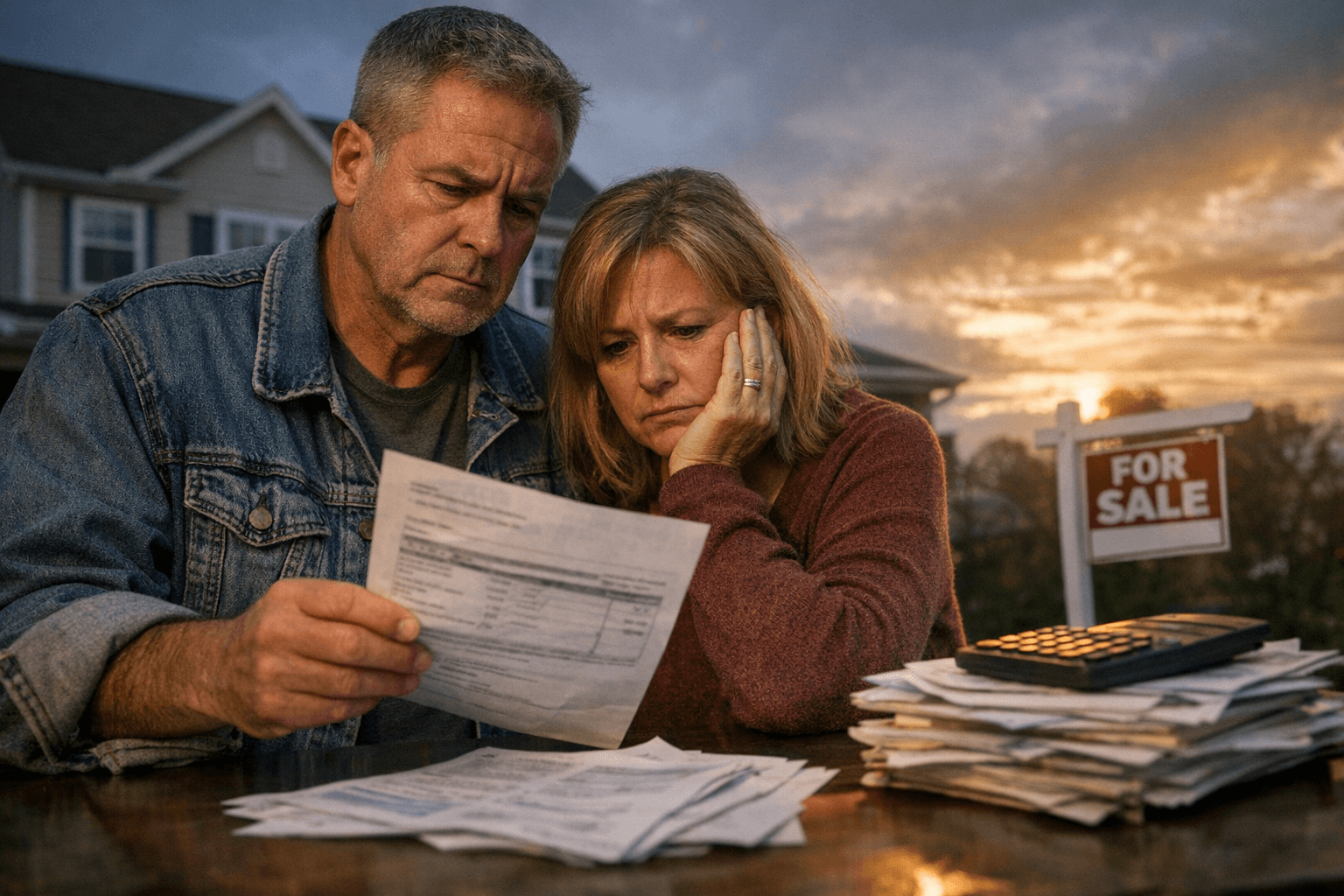
Abir Mandal, senior policy analyst with the Tax Foundation, told the House Select Committee on Property Tax Reduction and Reform on Feb. 18 that Johnston County’s property-tax revenue grew by nearly 25 percent over a five-year period and urged lawmakers to adopt a “levy limit” to curb rising bills for homeowners. “Levy limits are the best approach,” Mandal said. “First of all they directly constrain the total tax burden, it's still market based, so we do not introduce distortions… [It] doesn’t discriminate between homesteads, doesn't discriminate between commercial property, and residential property.”
Mandal described a levy limit as a statutory cap on annual growth in total property-tax revenue from existing parcels, with an automatic reduction in tax rates if assessed values rise faster than the cap. Under his testimony the proposal would exempt new construction from the cap to account for population growth, and would require voter approval by referendum for any revenue increases beyond the limit. He pointed to jurisdictions such as New York and Washington, D.C., as places that use levy-limit-style policies.
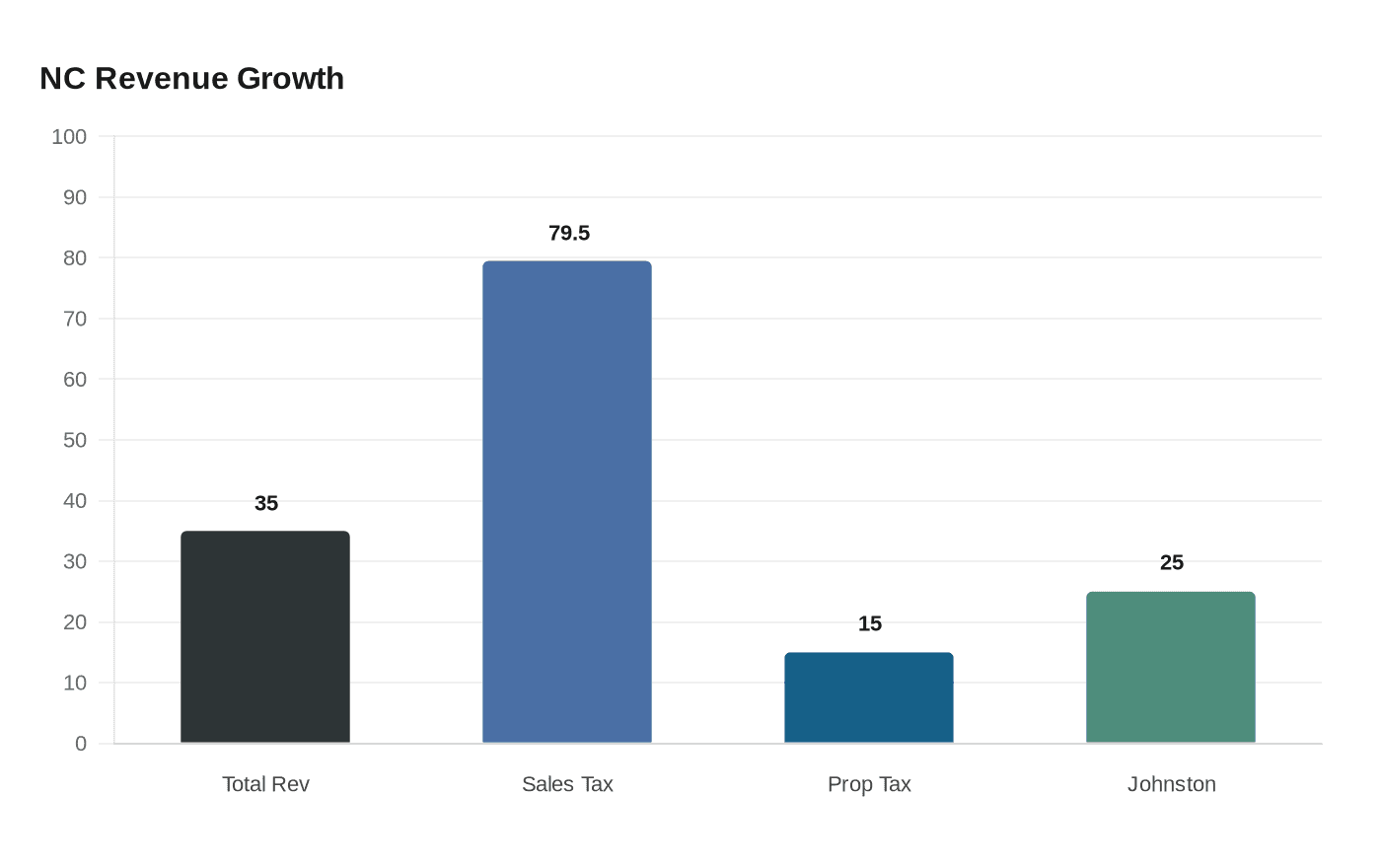
The Tax Foundation briefing materials presented to the committee framed the proposal within a broader revenue picture for counties. The foundation’s analysis, titled “Property Taxes Don’t Need to Rise with Assessments,” says that between FY2013 and FY2023 total county revenues grew by more than 35 percent in real terms, sales and use taxes rose 79.5 percent, and property-tax revenues increased roughly 15 percent in real terms over the same decade, while other revenue sources “also more than doubled, though from a much smaller base.”
The committee was created by House leaders and is led by Rep. Mitch Setzer (R-Catawba); members convened hearings in mid-February after first meeting in late December and have continued to solicit expert testimony. Rep. Brian Turner (D-Buncombe) cautioned against state-imposed micromanagement of local budgets, saying, “Every two years we have elections, sure, but we're not taking the budget to the people. So I think we need to look at our elected officials, that we've elected for the role that they are to fulfill, and not micromanage.”
Committee members also discussed how changes in federal funding are affecting North Carolina budgets and how a statutory levy cap could squeeze counties and cities that rely on property taxes to pay for schools, public safety and infrastructure. Under the current system, county and municipal leaders set property tax rates without voter approval; bond referendums are sometimes used for new projects and can, but do not always, lead to tax hikes. Many local governments set “revenue neutral” rates after revaluations, the committee heard, but not all localities have taken that approach.
Tax Foundation testimony further warned that some local governments are seeking to expand taxing authority and diversify funding sources, a move the foundation described as an effort to get ahead of potential state restrictions. Lawmakers at the Feb. 18 hearing did not present draft statutory language or a numeric cap percentage for a levy limit.
Key unanswered items remain for follow-up: the exact statutory text lawmakers might consider, a specific cap percentage for annual revenue growth, which North Carolina counties already set revenue-neutral rates after revaluation, the precise five-year window behind Johnston County’s nearly 25 percent figure, and fiscal-impact projections by county if a levy limit were enacted. The House Select Committee has continued hearings since late December and may return to those questions as it weighs next steps.
This article was produced by Prism’s automated news system from verified source data, official records, and press releases, then run through automated quality and moderation checks before publishing. The system is built and supervised by the people who set the standards it runs under. Read our full AI policy.
Did this article answer your question?