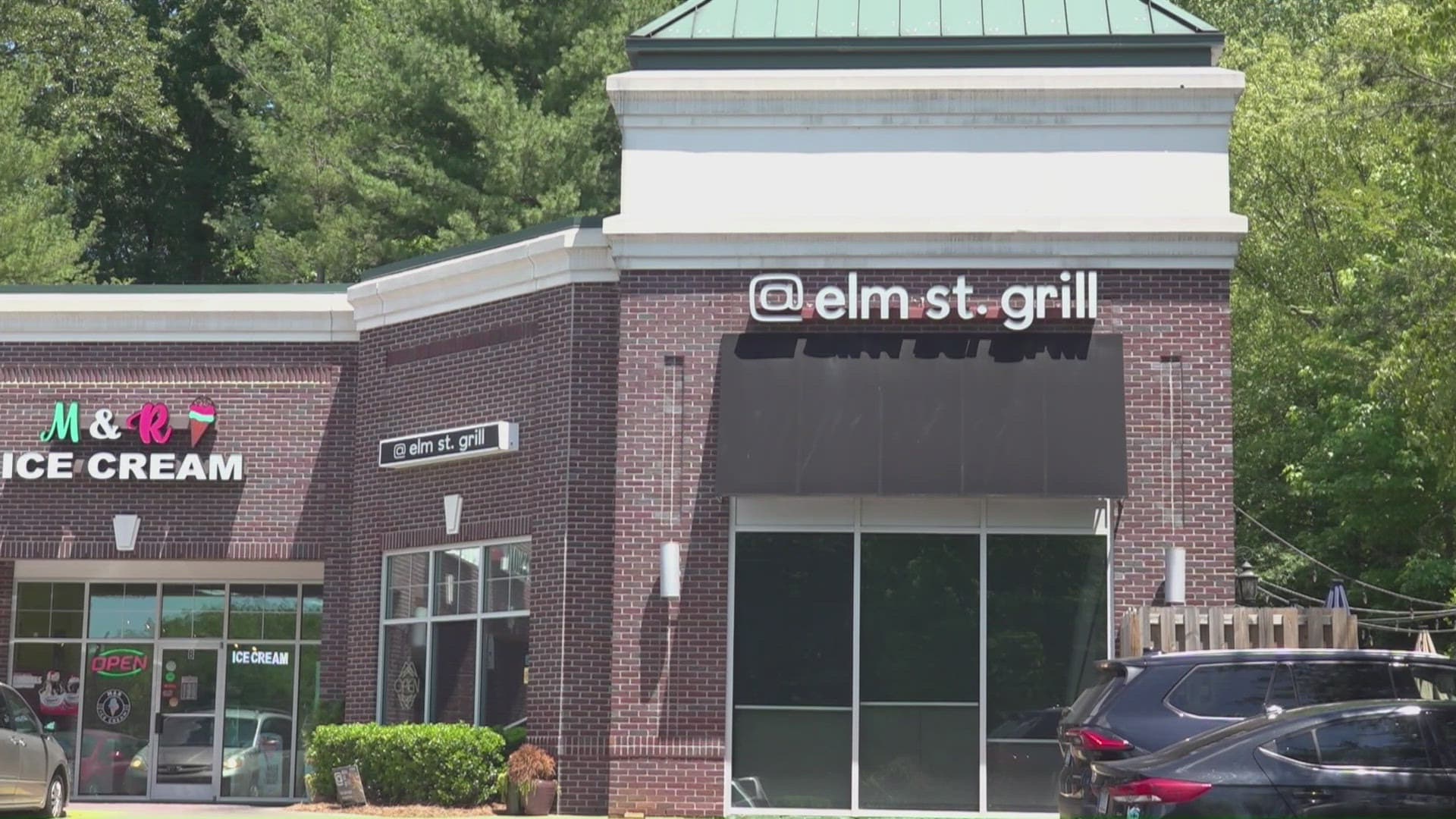
Residents call roadside ads litter on Guilford County roadway
Residents along a major Guilford County road said roadside ads looked like litter, raising questions about clutter, cleanup and who pays for legal visibility.

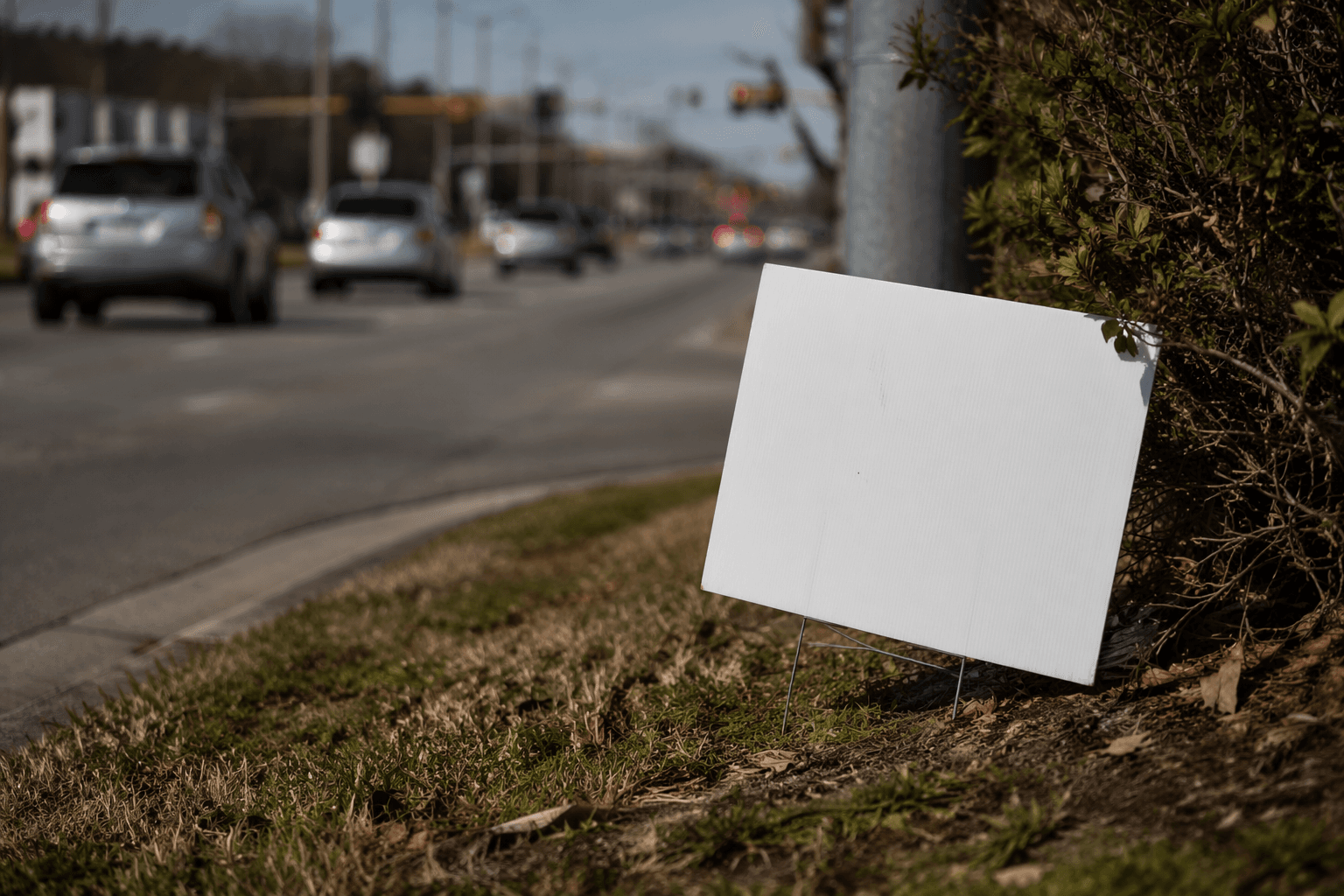
Roadside advertising signs along a major Guilford County roadway drew complaints from nearby residents, who said the placards were beginning to look less like business promotion and more like litter. The signs added visual clutter to a corridor that commuters and visitors use every day, and residents said the buildup made the area feel neglected.
The concern was not only about appearance. When signs multiply in the public right of way, residents said they can make a roadway seem poorly maintained, invite more signs and blur the line between legal advertising and a cheap shortcut to attention. For legitimate local businesses, the issue also carries a fairness question: some operators pay for permitted advertising, while others appear to gain visibility by planting signs where traffic is heaviest.
The complaints raised a practical question that comes up whenever roadside signs spread along a busy route: who is responsible for removing them, and how quickly will they come down? Without regular cleanup and enforcement, residents said the clutter can linger, especially on commuter corridors where thousands of drivers pass the same spots day after day. That kind of buildup can also create a sense that the public space is being treated like free billboard space instead of shared roadway.
The dispute reflects a broader tension in Guilford County, where growth and roadside commerce often collide. Heavy traffic makes major routes attractive to advertisers, but residents in this case pushed back against the idea that more visibility should automatically mean more signs. Their complaint focused on basic order, visual quality and whether shared spaces are being respected.
For a county still managing steady development pressure, the signs became a small but telling example of a larger public standard. Residents were not describing a sweeping crisis. They were describing a visible nuisance on an important road, one that could shape how the corridor feels to people who live there, drive through it and try to do business along it.
This article was produced by Prism’s automated news system from verified source data, official records, and press releases, then run through automated quality and moderation checks before publishing. The system is built and supervised by the people who set the standards it runs under. Read our full AI policy.
Know something we missed? Have a correction or additional information?
Submit a Tip