Skip Alston Reappointed as Guilford County Chair, Sparks Debate
On December 1, 2025 the Guilford County Board of Commissioners reappointed Skip Alston to serve as chairman for what will be his eleventh term, a decision that highlights longstanding leadership and intensifies scrutiny over county finances and priorities. The move matters to residents because it reinforces the leadership driving large school bonds, housing initiatives, and ongoing debates over rising property tax bills tied to major school debt.
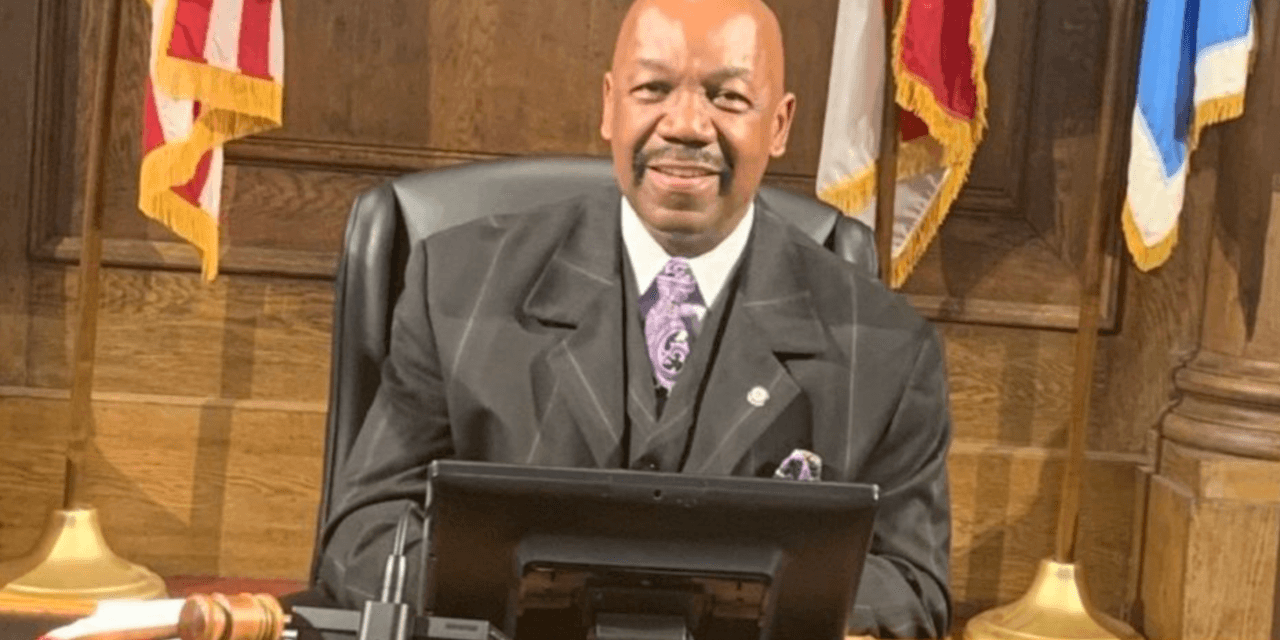
The Guilford County Board of Commissioners’ organizational meeting on December 1 confirmed Skip Alston as chairman for another term, extending a tenure that has shaped county decisions for decades. Alston’s influence stretches from preservation of the old Woolworths building, which eventually led to the International Civil Rights Center and Museum, to contemporary pushes for affordable housing and large scale school capital projects.
Supporters point to tangible accomplishments in cultural preservation, housing policy and economic development as evidence of steady leadership. Under Alston the board prioritized major school bonds intended to modernize facilities and expand capacity, and pursued initiatives aimed at increasing affordable housing options across the county. Those priorities have helped drive a pattern of large investments in infrastructure and community services that county officials say are necessary to support a growing population and sustain economic progress.
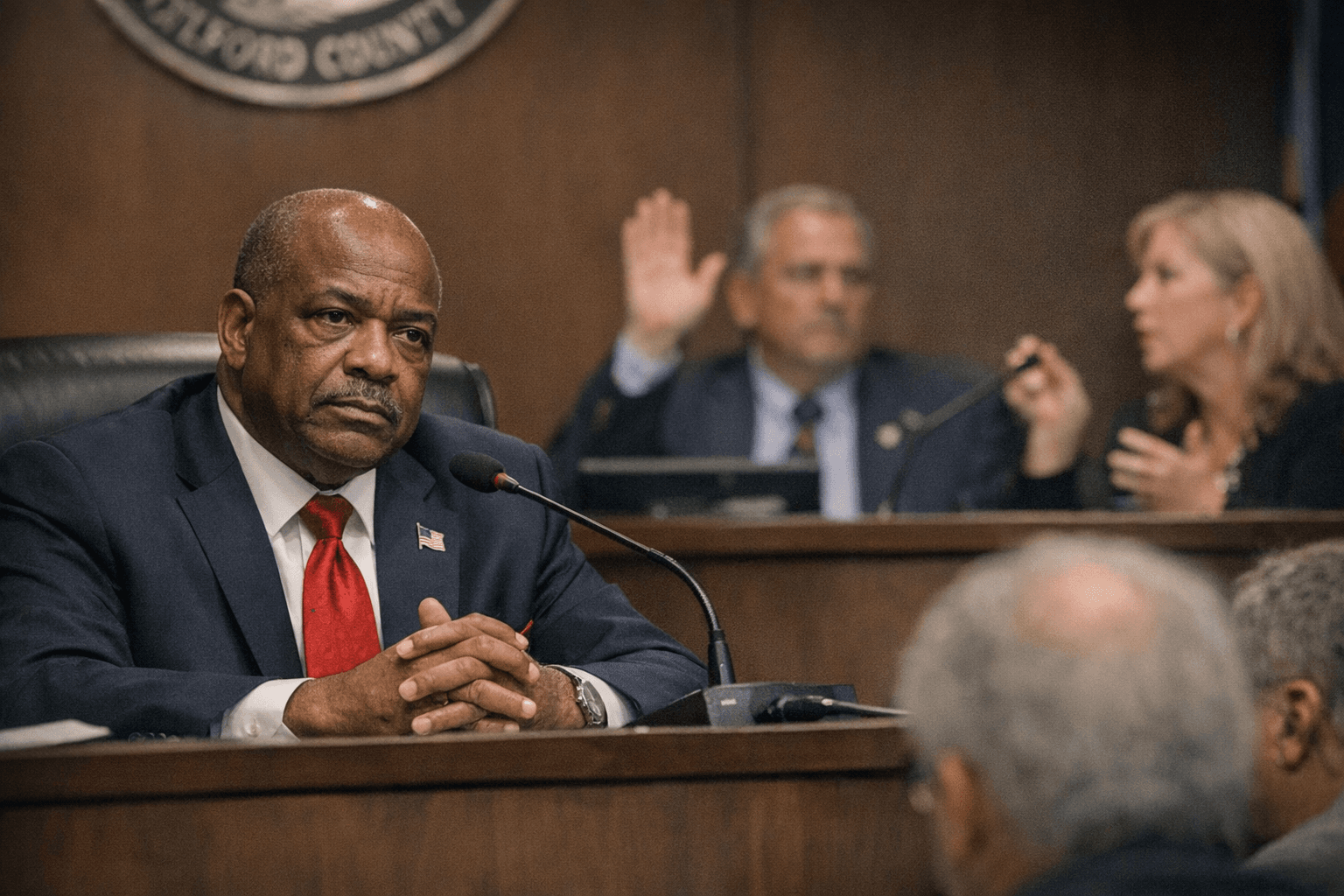
Critics have responded with concerns about fiscal consequences and governance. Rising property tax bills, linked by opponents to repayment of major school debt, have become a focal point of voter discontent. Some residents and observers accuse the board of insider politics and call for greater transparency in how contracts and development incentives are awarded. These critiques frame the chairmanship not only as a matter of continuity but as a flashpoint in larger debates over taxation, public investment and accountability.
The immediate local impact will be felt in budgets and bond repayments in coming years. Property owners should expect continued attention to school debt service in county budgeting, and housing policy decisions made by the board will influence where and how affordable units are developed. Economic development efforts will remain a priority, shaping decisions about incentives and public private partnerships that affect job growth and land use.
As Guilford County moves into a new fiscal chapter, the reappointment underscores the central role of the Board of Commissioners in setting policy during a period of constrained budgets and unmet housing needs. Voters and civic organizations will likely scrutinize board actions on bond management, tax levels and procurement practices, making transparency and public engagement pivotal in the months ahead.
Know something we missed? Have a correction or additional information?
Submit a Tip