SNAP changes strain food pantries as Guilford County enrollment falls
SNAP enrollment fell by more than 12,000 in Guilford County as pantry lines grew and more first-time households sought help.
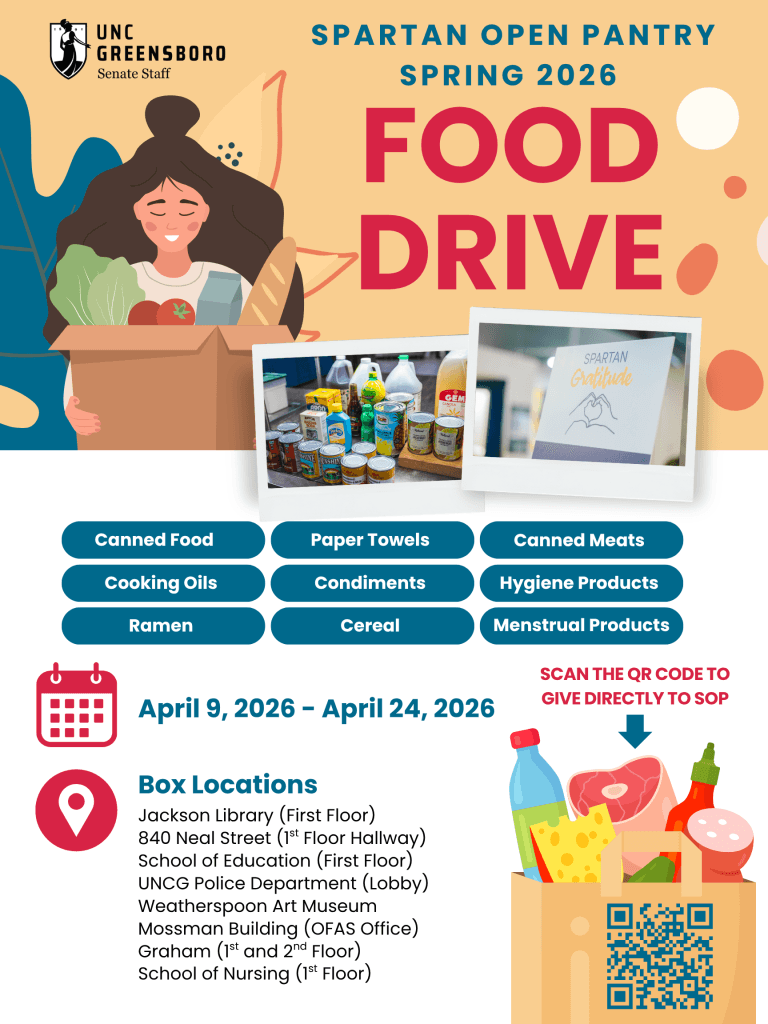
Guilford County’s hunger-response network is absorbing a new surge at the same time fewer residents are showing up on SNAP rolls, a squeeze that is pushing more people to Greensboro-area pantries, mobile markets and emergency food aid. SNAP participation in Guilford County fell from 90,174 people in April 2025 to 77,362 in April 2026, even as food providers said demand kept climbing and shelves stayed under pressure.
The changes behind that shift are federal and they are already landing locally. North Carolina’s Department of Health and Human Services said expanded work requirements took effect Dec. 1, 2025, and new non-citizen eligibility rules took effect Feb. 1, 2026. The department said many adults ages 18 to 64 who do not live with a child under 14 and are physically and mentally able to work are now subject to ABAWD rules, which require 80 hours per month of work, volunteering or approved activities during a 36-month period from January 2025 through December 2027. The U.S. Department of Agriculture’s Food and Nutrition Service said it is still issuing guidance on how the One Big Beautiful Bill Act changed ABAWD exception and waiver rules.
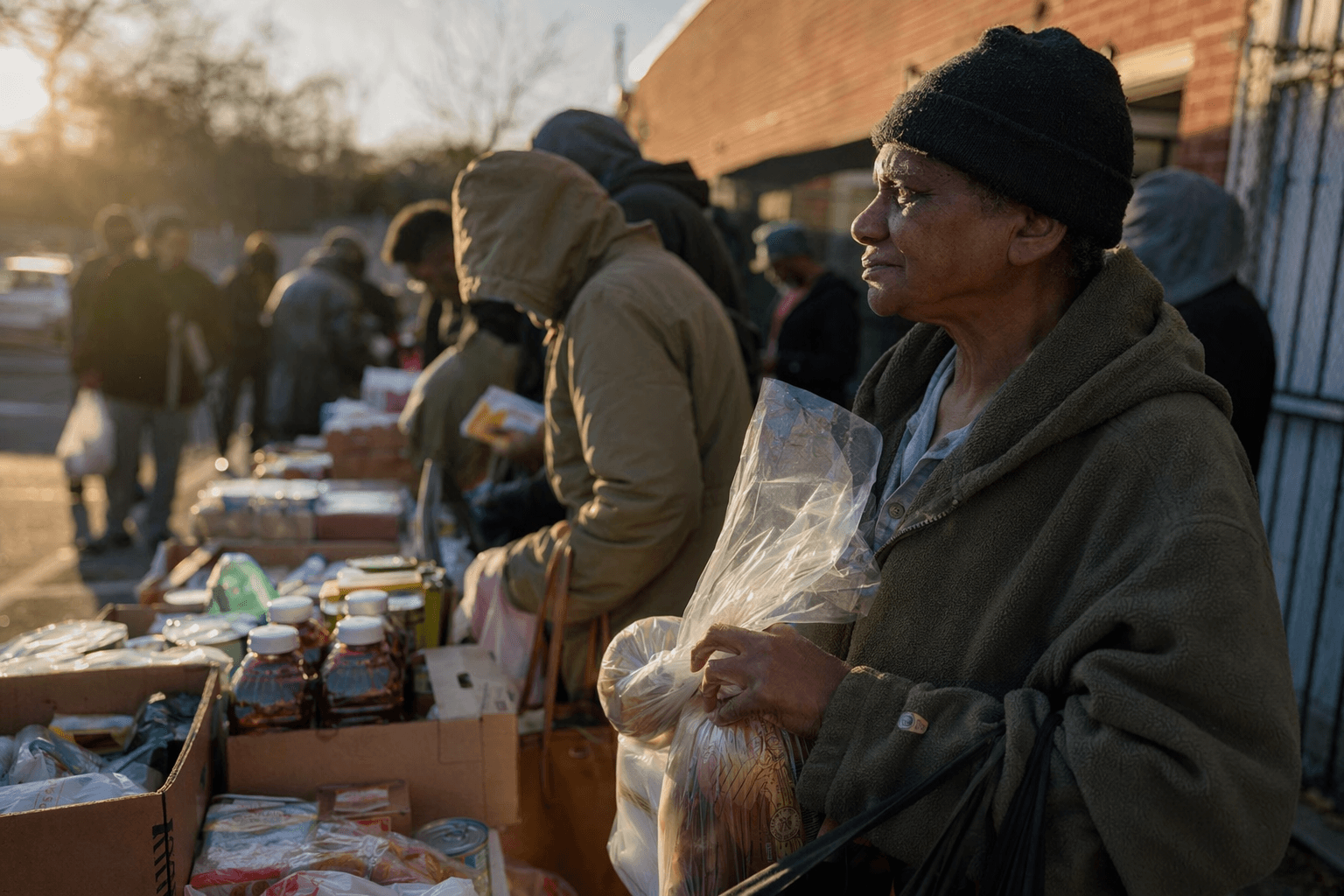
At Second Harvest Food Bank of Northwest North Carolina, CEO Eric Aft said about 20% of people seeking help in recent months are new, including families who had never needed food assistance before. The food bank serves 18 counties and 332 pantries, so any hit to supply spreads quickly through a wide regional network. Aft also said earlier federal cuts removed nearly 1 million pounds of food from the system, including reduced Commodity Credit Corporation support and the loss of $2 million in Local Food Purchase Assistance money that had been used to buy food from area farmers.
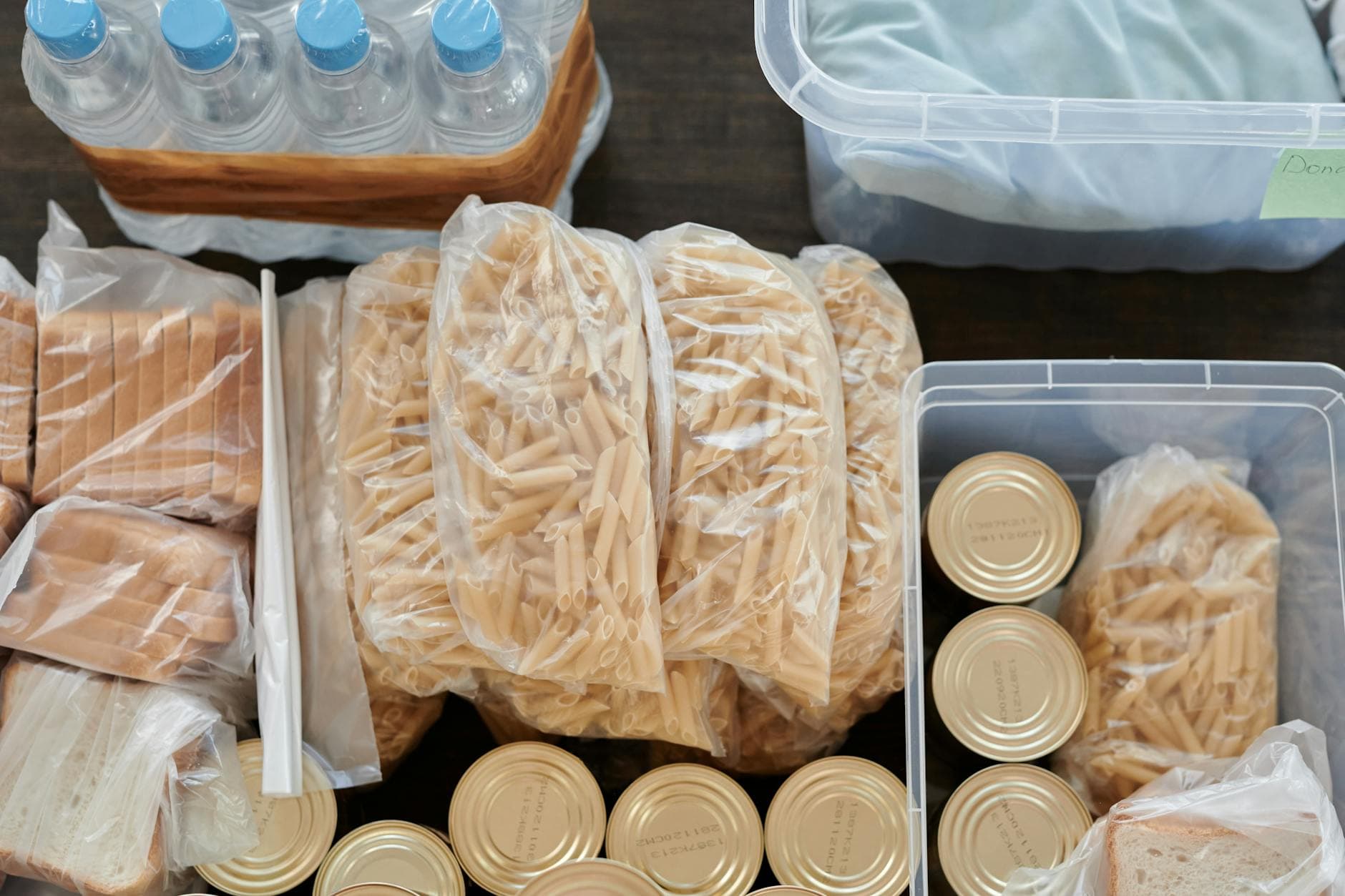
Greensboro-based Out of the Garden Project is feeling the pressure too. The group said its fresh mobile markets have operated since 2010 and now serve more than 2,500 households each month at more than two dozen locations. Executive director Beth Crise said the organization has already seen more than 1,000 additional households at its mobile markets, with SNAP changes and grocery prices both tightening budgets. In October 2025, the group said it visited 28 locations and served more than 500 households in one Saturday at three sites, distributing more than 20,000 pounds of food.
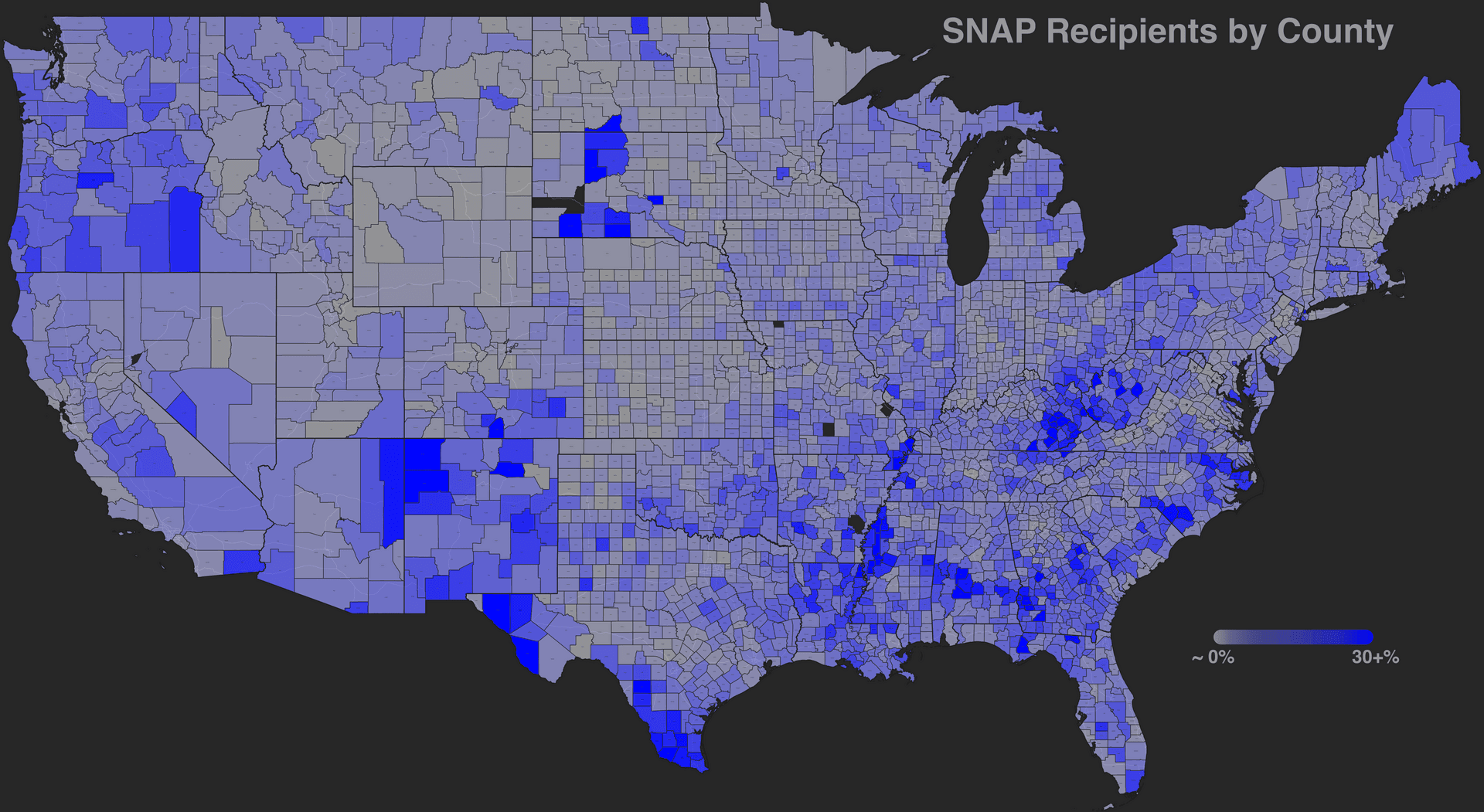
The strain falls hardest on families already stretched by rent, utilities and grocery bills. Guilford County said its 2023 food insecurity rate was 15.2%, with child food insecurity at 22.5%, and estimated 82,510 residents were food insecure. The county also said 18.7% of residents were receiving SNAP benefits in 2021, while 37% were in the SNAP Gap, earning just too much to qualify and still unable to keep food on the table.
Know something we missed? Have a correction or additional information?
Submit a Tip