South University expands High Point campus to train more nurses
South University opened more than 13,000 square feet on Premier Drive to train nurses as Guilford County employers keep chasing hard-to-fill healthcare jobs.
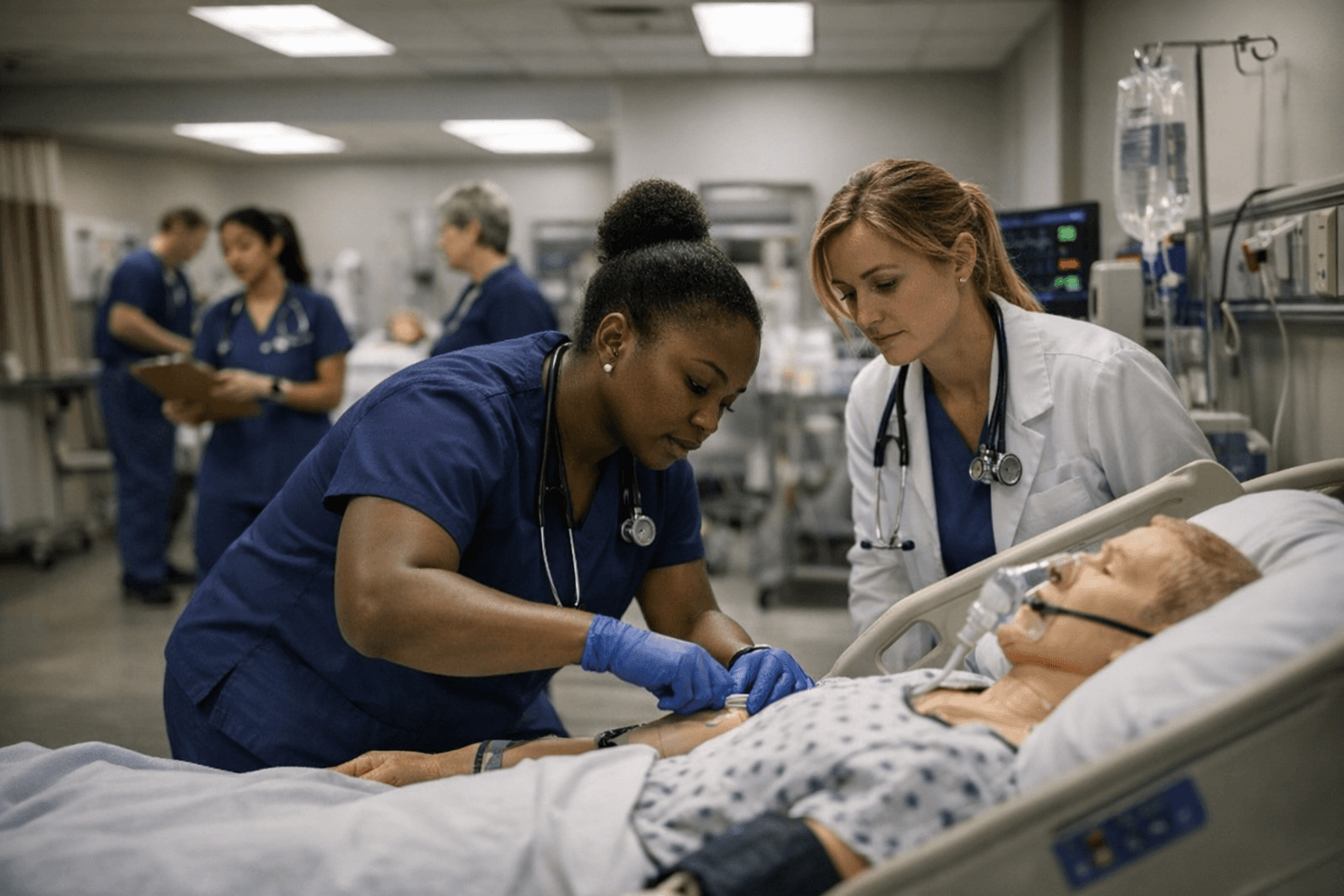
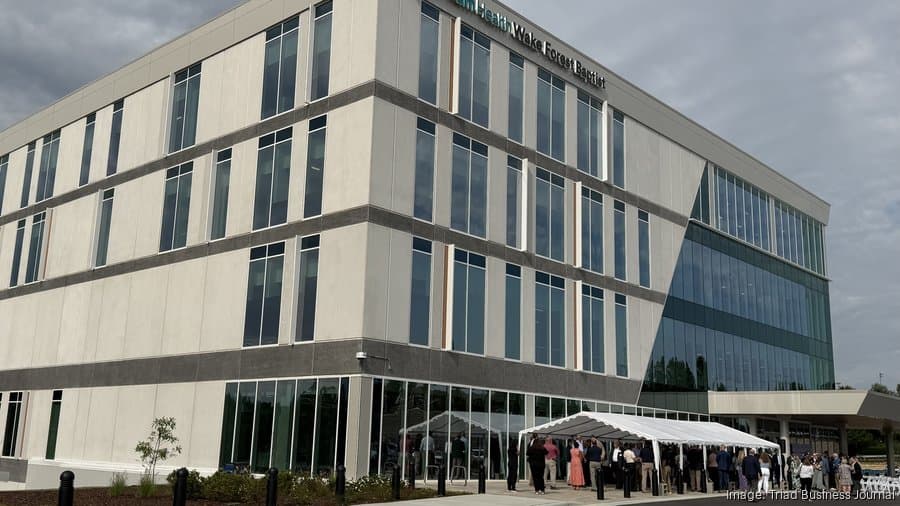
A new nursing expansion on Premier Drive in High Point is meant to feed one of Guilford County’s most stubborn labor shortages: not enough trained healthcare workers to staff hospitals, nursing homes and clinics. South University marked the project with a ribbon cutting on April 7 at 4050 Premier Drive, unveiling more than 13,000 square feet of added and renovated space built around hands-on clinical training.
The campus now includes two clinical skills labs, nursing simulation labs, clinical exam rooms, wellness space, a student lounge and additional learning areas. South University High Point says the location offers a Bachelor of Science in Nursing and an Associate of Science in Allied Health Science, putting the school squarely in the middle of the region’s effort to grow its healthcare workforce at home rather than rely on hiring from outside the Triad.
High Point Mayor Cyril Jefferson attended the event and said the investment reflects confidence in the city’s future and can help strengthen healthcare locally. The ribbon cutting also included remarks from school leaders and community partners, along with guided tours of the expanded campus. South University said its High Point campus relocated to 4050 Premier Drive from a previous site on the same road, making the move more than a cosmetic upgrade. It is a larger bet on training capacity in a field where every additional seat can matter.
That workforce pressure is not hypothetical. A March 2024 report from the North Carolina Healthcare Association and RTI International pointed to nursing as a major staffing pressure point and said the state needs stronger postsecondary nursing pipelines, higher pay for instructors, more enrollment and lower attrition. Separate NC Nursecast projections cited by the UNC Sheps Center estimated North Carolina would face a shortage of 12,500 registered nurses and 5,000 licensed practical nurses by 2033, with the biggest RN shortages in hospitals and the largest LPN shortages in nursing homes, extended care and assisted living facilities.
A later analysis from the NC Center on the Workforce for Health found about 13% of RN positions and roughly one-third of LPN positions were vacant in North Carolina, underscoring how persistent the problem remains. Against that backdrop, South University’s expansion in High Point is aimed at something larger than a campus makeover. It is part of the local workforce pipeline, where more clinical space can mean more students, more graduates and a better chance that Guilford County employers can fill open shifts before patient delays pile up.
This article was produced by Prism’s automated news system from verified source data, official records, and press releases, then run through automated quality and moderation checks before publishing. The system is built and supervised by the people who set the standards it runs under. Read our full AI policy.
Did this article answer your question?