Tree crushes Greensboro home during severe Triad storms
A storm-tossed tree crushed a Summit Hills home on Vincent Street as outages topped 20,000 across the Triad and insurance questions followed.

A large tree crushed a home on Vincent Street in northeast Greensboro’s Summit Hills neighborhood, turning a fast-moving storm into a costly repair bill for one family and another reminder of how quickly Triad weather can overwhelm a block. Greensboro Fire Department personnel responded to the scene.
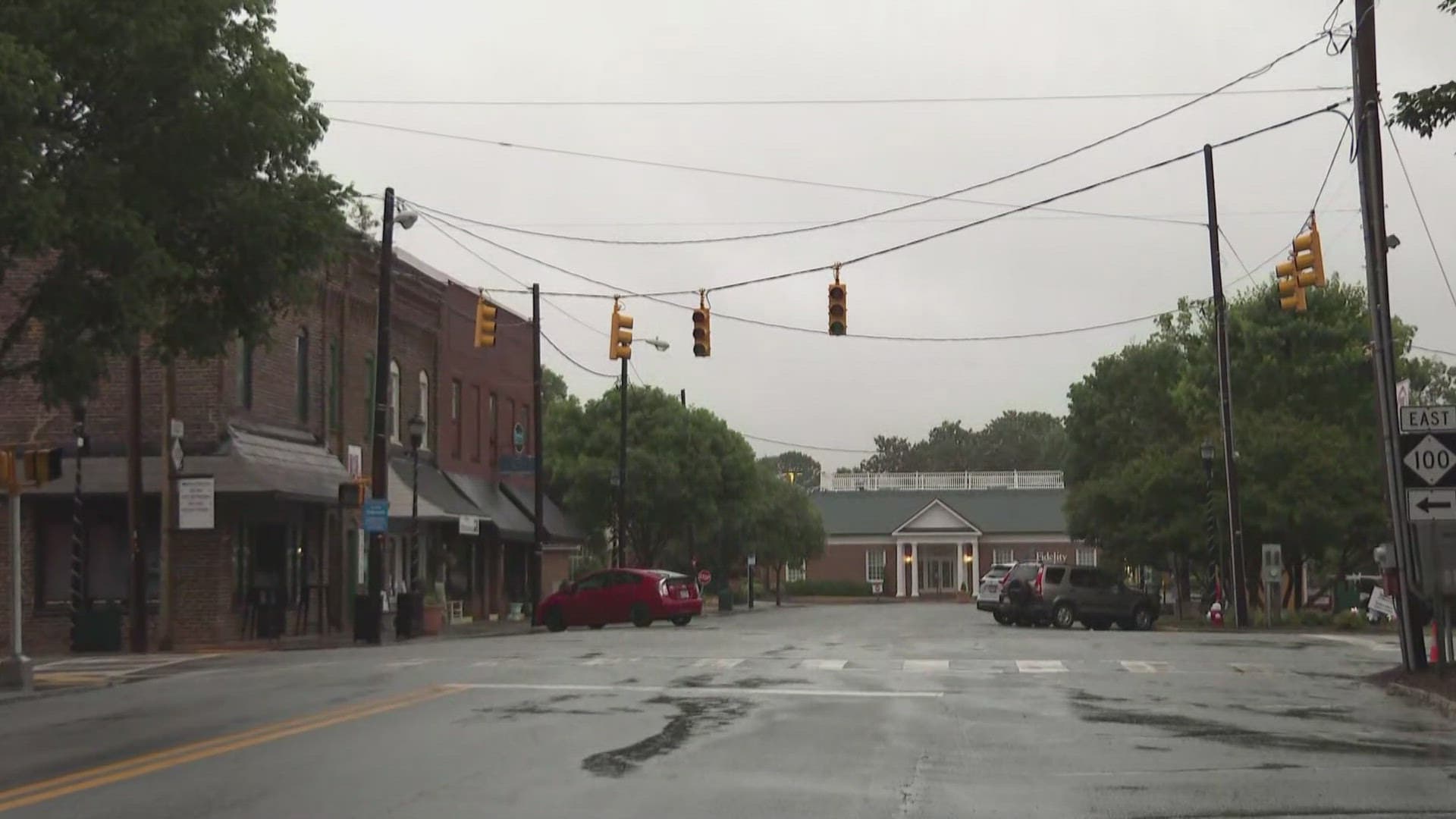
The damage came during severe thunderstorms that swept through the Piedmont Triad on Monday night, June 22, leaving downed trees and widespread power problems from Greensboro to High Point and Winston-Salem. By Tuesday morning, Duke Energy crews were dealing with about 25,000 outages across the Triad, while another estimate put more than 20,000 customers without power after the storms.
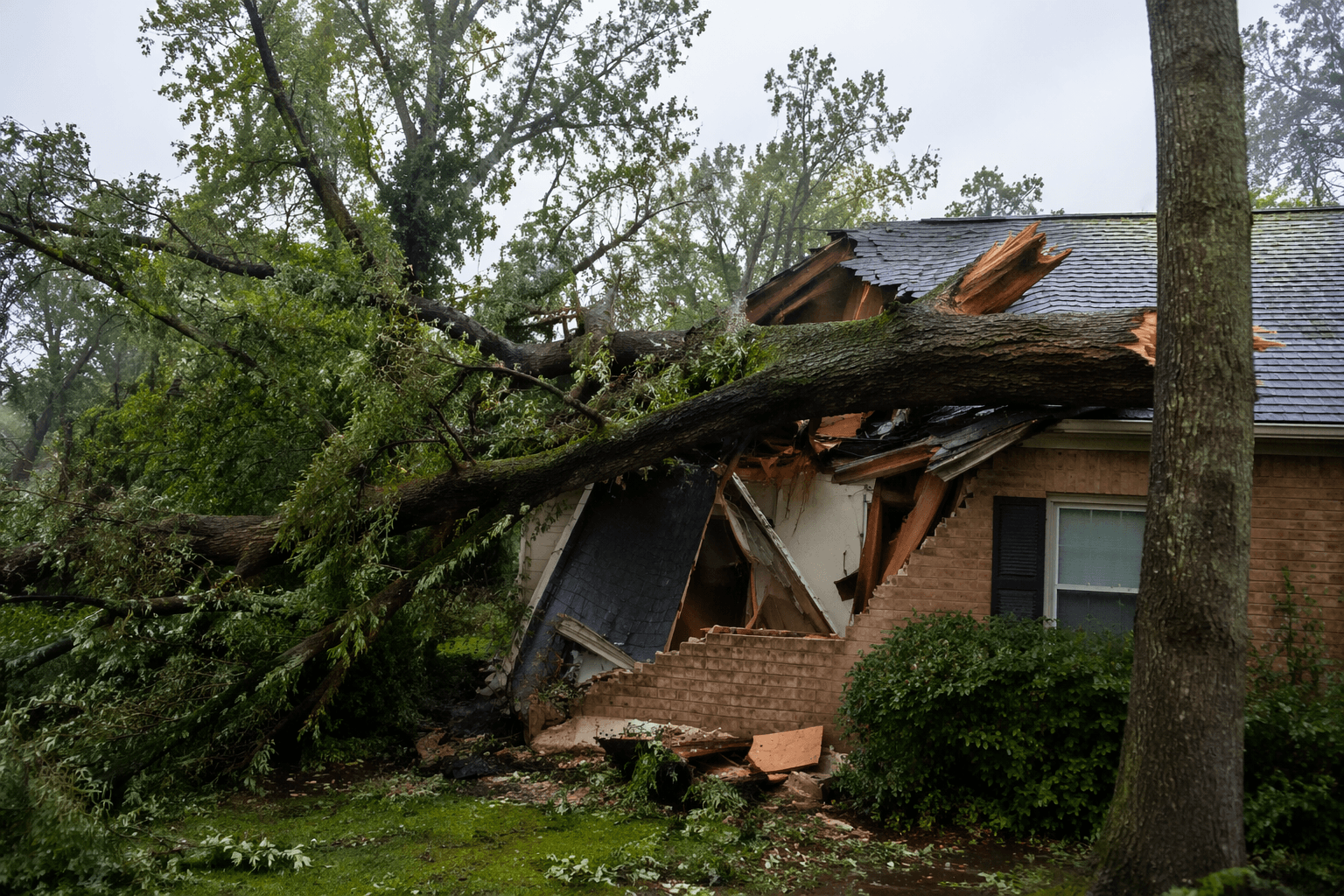
For many homeowners, the first question after a tree comes down is whether insurance will pay. North Carolina’s Department of Insurance says that if a tree falls on a home or other structure, the homeowner’s own policy generally covers the damage. The same agency says most companies will also pay, up to a limit, to remove a tree from a damaged structure such as a home, garage or fence, but not to remove a tree sitting in the yard. Deductibles still apply, and they can be a fixed amount or a percentage of dwelling coverage.
Who is responsible for a hazardous tree depends on where it stands. Greensboro says it generally does not evaluate trees on private property and recommends hiring an arborist for those inspections. The city maintains trees on city property and rights-of-way, and will remove hazardous trees there if they are on public land. Property owners are responsible for trees on private property.
Greensboro stormwater superintendent Ray Johnson has tied this kind of failure to prolonged rain saturating the ground. “If you have a long duration of rain over a long-period of time, you get super-saturation of the area then you look at storm damage like trees falling.” The warning fits a familiar Triad pattern: heavy rain, soft ground, falling trees and sudden property loss.
Guilford County residents checking their own risk now should start with the basics: confirm whether a troubled tree is on private land or city property, review the homeowners policy declarations page for the deductible, and photograph any damage before cleanup begins. Greensboro also keeps a public fire incidents dataset going back to July 1, 2010, a record that shows how often severe weather sends crews back to the same kind of call.
This article was produced by Prism’s automated news system from verified source data, official records, and press releases, then run through automated quality and moderation checks before publishing. The system is built and supervised by the people who set the standards it runs under. Read our full AI policy.
Know something we missed? Have a correction or additional information?
Submit a Tip