Triad Logistics Ranking: 13,157 Local Jobs Centered in Guilford County
A regional logistics ranking finds 13,157 local jobs centered in Guilford County, highlighting the sector's role in Greensboro and High Point.
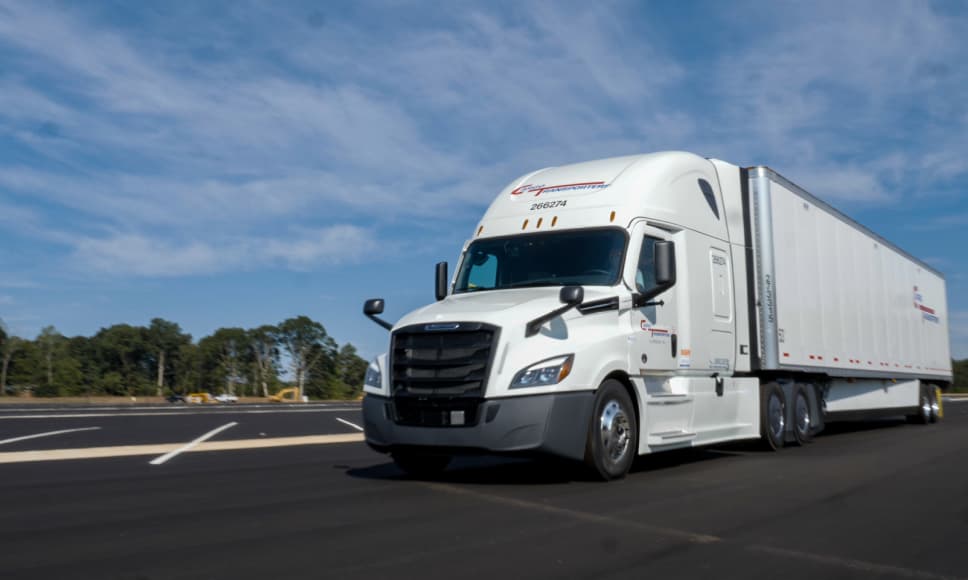
A recent ranking of the Triad's largest trucking and logistics firms reports 13,157 workers employed locally, with a large share of operations clustered in Guilford County. Major operators noted with local footprints include UPS, FedEx, Old Dominion Freight Line and Hilco Transport, and the ranking profiles driver counts, truck and trailer numbers, and primary services for each firm. That concentration underscores the Piedmont Triad's role as a distribution hub and signals direct impacts for Greensboro and High Point residents.
The top-line employment figure matters for the county workforce and local economy. Logistics jobs range from drivers and terminal staff to maintenance, warehousing and administrative roles, creating payrolls that support retail, housing and service industries. For workers, steady demand for drivers and dock workers can mean more hiring opportunities; for local governments, it means pressure on roads, zoning, and public services where terminals and distribution centers sit.
Most of the companies on the list operate terminals, distribution facilities or regional hubs in or near Greensboro and High Point, which helps explain Guilford County's outsized share of the region's logistics employment. The ranking’s company-level data on drivers and fleet sizes offers a granular view of capacity and scale, useful for economic development planners and workforce trainers assessing where to place CDL training, industrial land and transportation investments.
Market implications extend beyond payroll. A dense logistics network supports the Triad’s supply-chain ecosystem, attracting related businesses such as freight brokers, parts suppliers and last-mile delivery services. That clustering can boost property tax bases in industrial corridors while increasing heavy-vehicle traffic on county roads and state highways. Local officials and planners should weigh benefits from job creation against infrastructure wear, safety considerations and land-use compatibility in mixed industrial-residential areas.

Policy responses could include targeted workforce programs to connect residents to CDL and logistics jobs, strategic investments in road maintenance where truck traffic is highest, and coordination with regional economic development authorities to manage industrial growth. Employers listed in the ranking serve as potential partners for apprenticeship programs and hiring pipelines that keep employment local.
For Guilford County residents, the ranking is a reminder that logistics is a pillar of the local economy and that decisions about land use, transportation funding and workforce training will shape how much of the sector’s growth benefits community members. Expect local leaders to monitor fleet and employment trends and to press for infrastructure and training investments that turn the region's freight capacity into long-term job opportunities.
This article was produced by Prism’s automated news system from verified source data, official records, and press releases, then run through automated quality and moderation checks before publishing. The system is built and supervised by the people who set the standards it runs under. Read our full AI policy.
Did this article answer your question?