Triad man drives truck sign to find wife a kidney donor
Mark Samsel turned the back of his truck into a rolling plea for Angela Samsel’s kidney donor. The sign has already brought calls from strangers across the Triad.
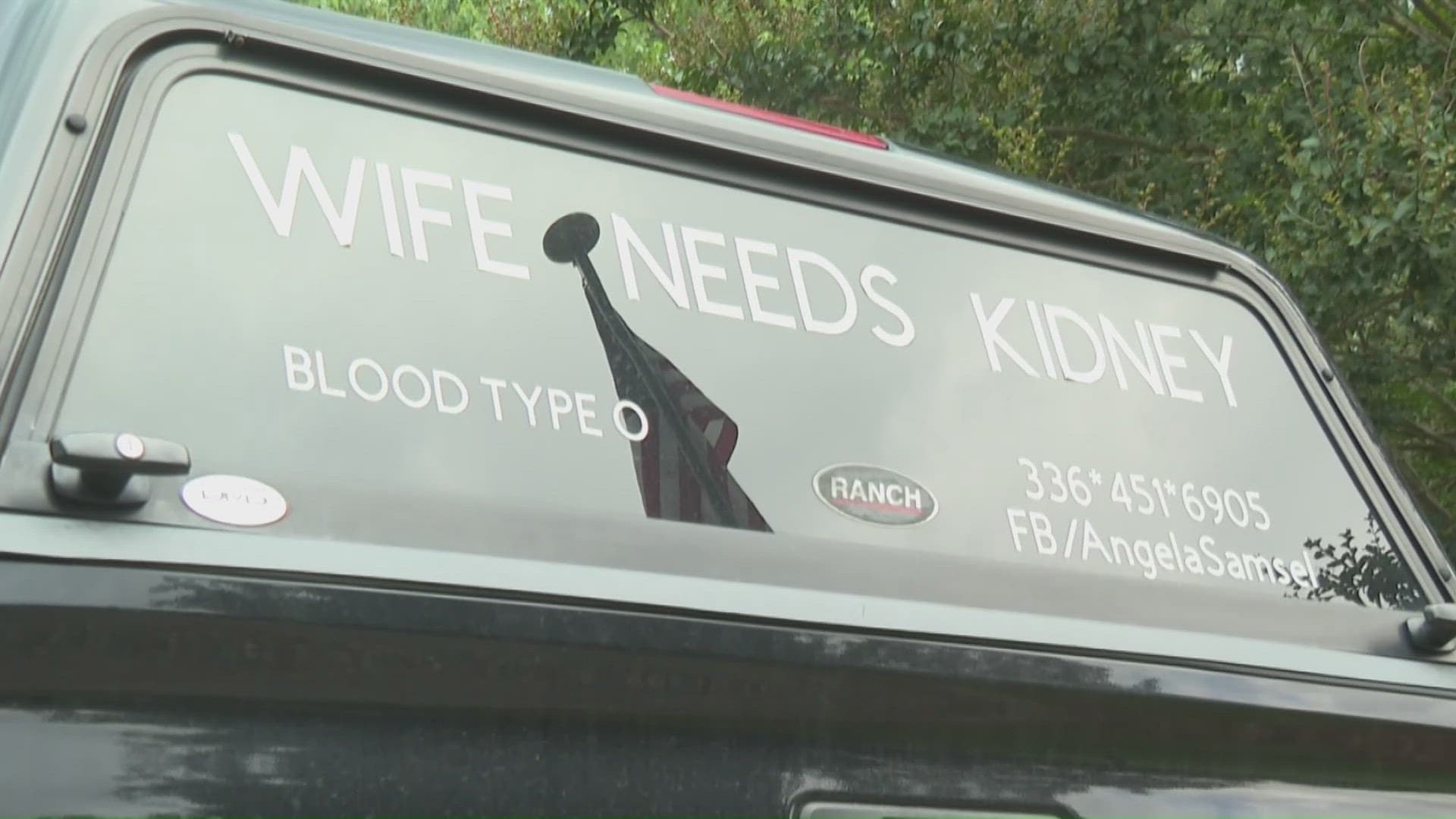
Mark Samsel drove across the Triad with a message on the back of his truck that could not be missed: “Wife needs kidney.” Below it, he listed a blood type and a phone number, turning everyday road miles into a search for a living donor for Angela Samsel. The sign had already brought calls from people who saw it.
Angela Samsel’s kidney problems went back nearly her entire life. She lost her left kidney at 16, and in her 20s doctors removed part of her right kidney. Over the past several years, the remaining portion kept declining, and the family began looking for a living donor nearly three years ago. Angela started dialysis in September and now gets treatment at home four days a week, while Mark retired last year to help as her caregiver.
A person who volunteers has to go through a full medical and psychosocial evaluation, and living donors are expected to be at least 18, in good overall physical and mental health, and free from conditions that could make donation unsafe, including uncontrolled high blood pressure, diabetes, cancer, certain infections or an uncontrolled psychiatric condition. Mark said of the process, “You think somebody just called up and gave one. Well, it doesn’t work like that.”
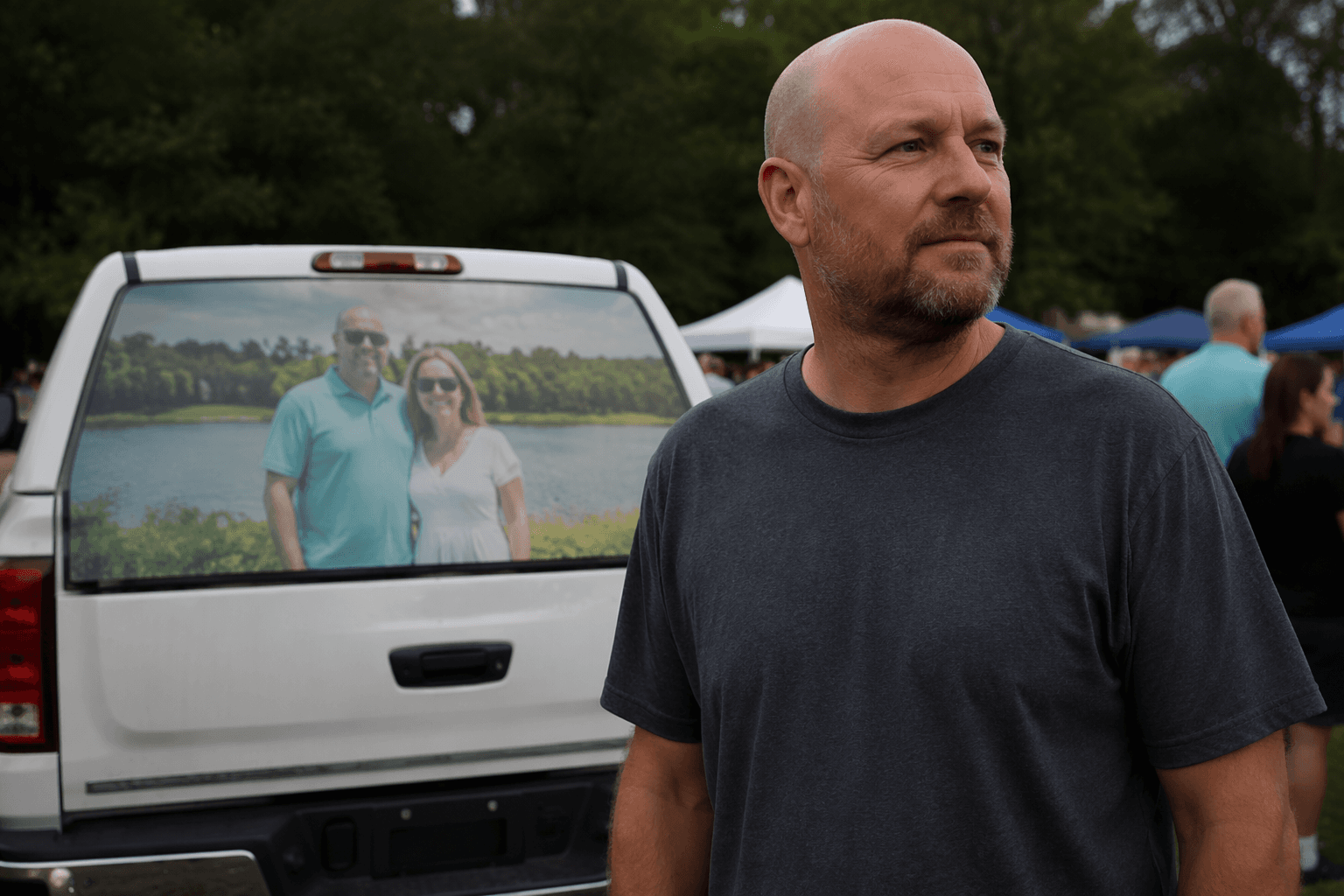
Matching is another barrier. Blood type and other medical factors screen out many would-be donors before a transplant team ever gets to an offer, and if a willing donor is not a direct match, kidney paired donation can swap donors so each recipient receives a compatible kidney. Anyone who wants to help the Samsels can use the phone number on the truck, and a transplant center decides whether testing can move forward. Angela Samsel said of her search, “I don’t care. I’d put it on billboards if I could.”
This article was produced by Prism’s automated news system from verified source data, official records, and press releases, then run through automated quality and moderation checks before publishing. The system is built and supervised by the people who set the standards it runs under. Read our full AI policy.
Did this article answer your question?