Black maternal deaths remain high in Harris County, care gaps persist
Black non-Hispanic women in Harris County had a pregnancy-related death rate of 83.4 per 100,000, even as care gaps kept many mothers from early and postpartum treatment.
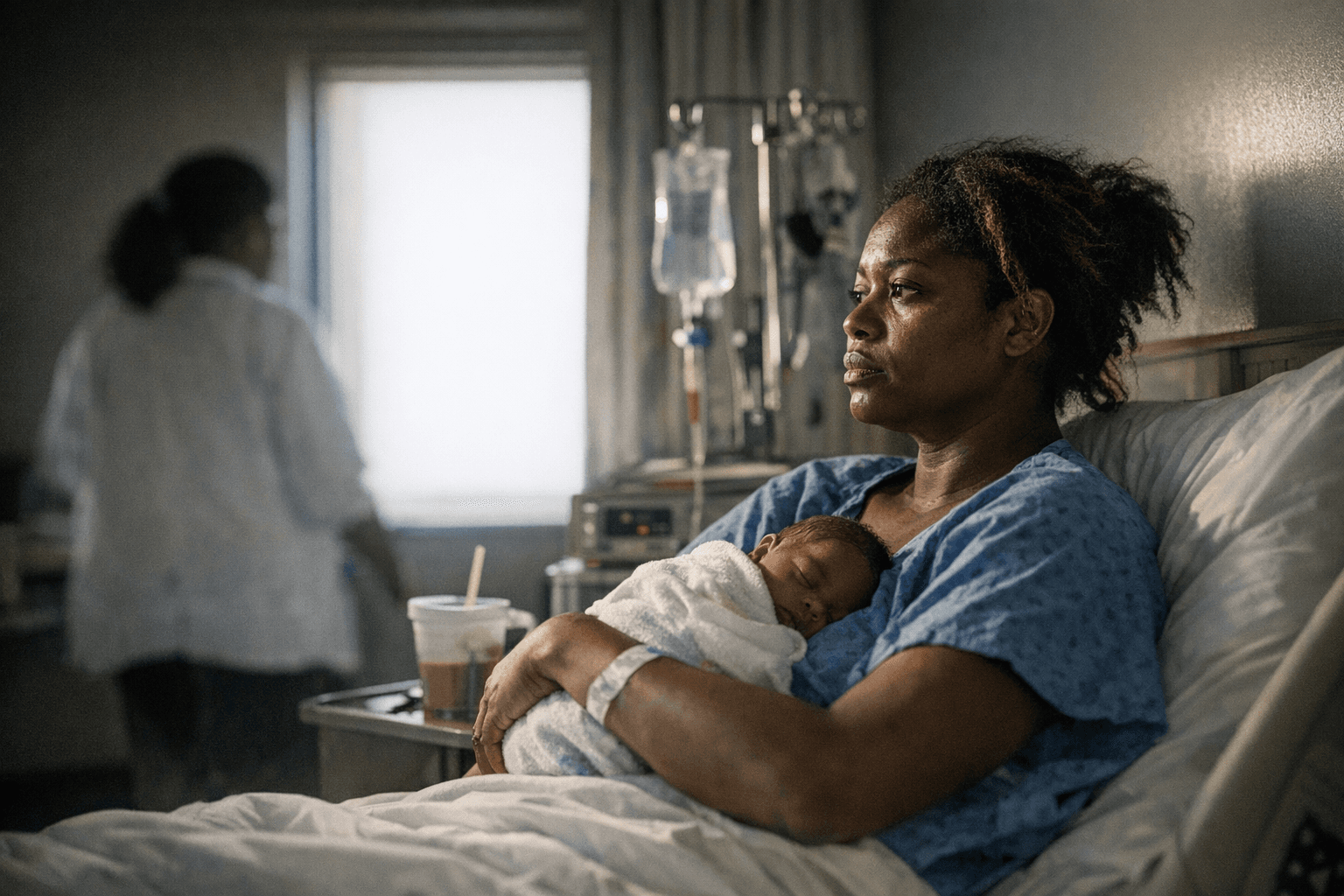
Harris County’s maternal death rate climbed to 54.85 deaths per 100,000 live births in 2020, up from 31.65 the year before, and Black, non-Hispanic women had the county’s highest pregnancy-related death rate at 83.4 per 100,000 live births. The county’s rate has stayed above the national average since 2016, a gap that persisted even in a region packed with major hospitals and specialty care.
At Ben Taub Hospital, a certified nurse midwife said the crisis was not only medical, but structural. She pointed to women who never reached early prenatal care because they did not know about Medicaid, CHIP or Harris Health financial assistance, delaying the first appointment until a pregnancy had already become higher-risk. She also said systemic racism shaped outcomes when pain was not taken seriously, symptoms were dismissed and women were forced to navigate the system alone.
That problem stretched beyond pregnancy itself. The Texas Department of State Health Services defines pregnancy-related death as a death during pregnancy or within one year after it ends, from complications of pregnancy, a chain of events started by pregnancy or an unrelated condition made worse by pregnancy. The state’s Maternal Mortality and Morbidity Review Committee has said improving outcomes requires better access to comprehensive care before pregnancy, during pregnancy, after delivery and between pregnancies, along with stronger care transitions.
Harris Health said it offered prenatal services at health centers across Harris County, along with midwifery services, hospital tours, childbirth classes and Baby-Friendly birthing centers at Ben Taub Hospital and Lyndon B. Johnson Hospital. The system said financial assistance was available to Harris County residents who qualified, with co-pays as low as $3 for a clinic visit, though care was not free and help depended on household income.
County officials have also tried to push resources closer to families most at risk. In May 2023, Congresswoman Lizzie Fletcher announced $1,431,174 in federal funding for Harris County Public Health’s Maternal & Child Health Program, which was described as focusing on Black mothers and helping eligible families navigate parenting and access to health care through home visitation and related supports.
The numbers and the response still left the same hard question hanging over Harris County: whether programs were reaching the neighborhoods, and the months after birth, where Black mothers remained most at risk. In a county with one of the world’s largest medical centers, the gap between care on paper and care received still helped decide who survived pregnancy and who did not.
This article was produced by Prism’s automated news system from verified source data, official records, and press releases, then run through automated quality and moderation checks before publishing. The system is built and supervised by the people who set the standards it runs under. Read our full AI policy.
Did this article answer your question?