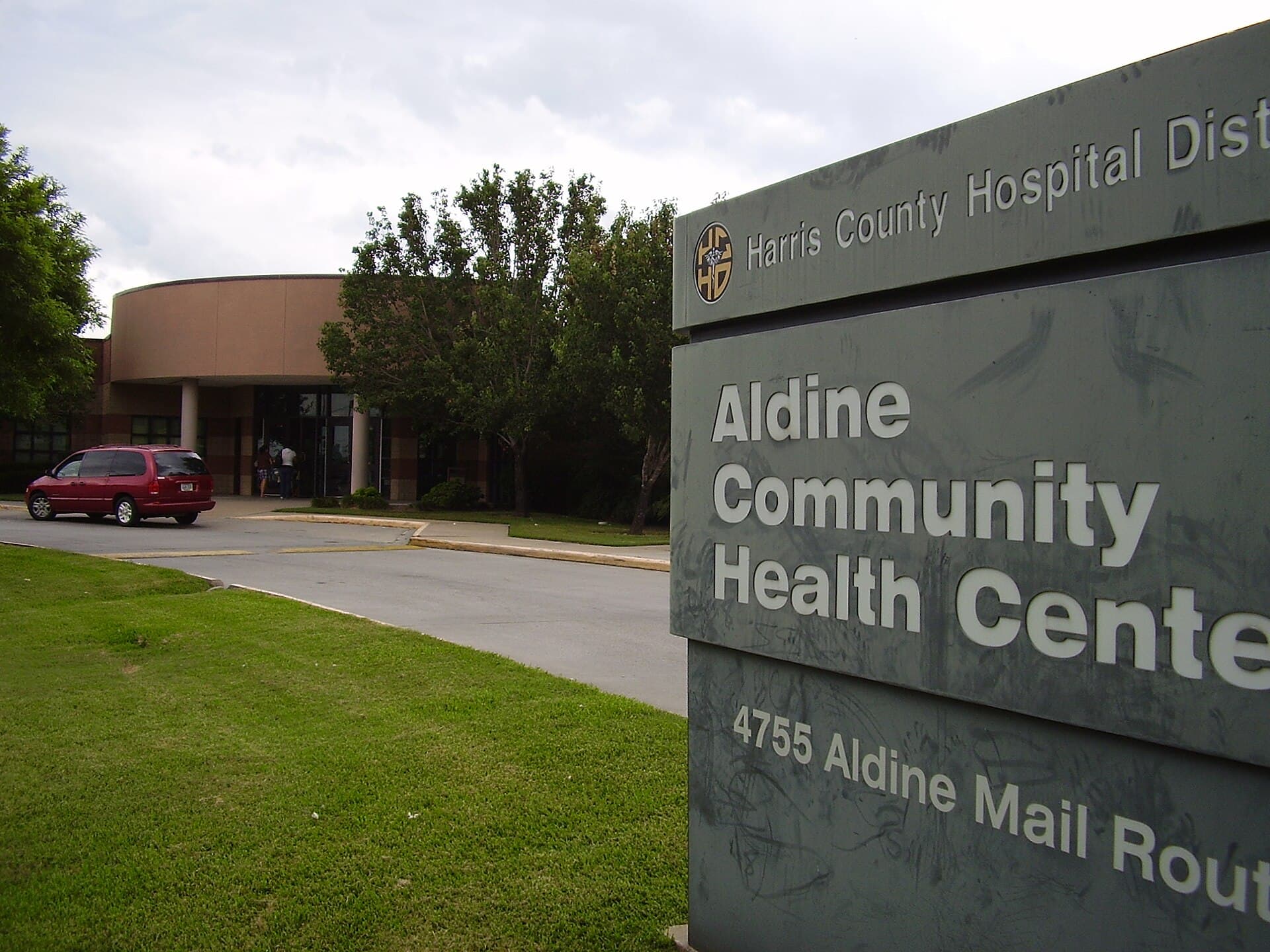
Channelview Residents Pack Town Hall Over Chemical Barge Pollution Concerns
Barges on the San Jacinto River released 28% more VOCs than Texas's largest single polluter in 2023, and over 100 Channelview residents showed up demanding answers.
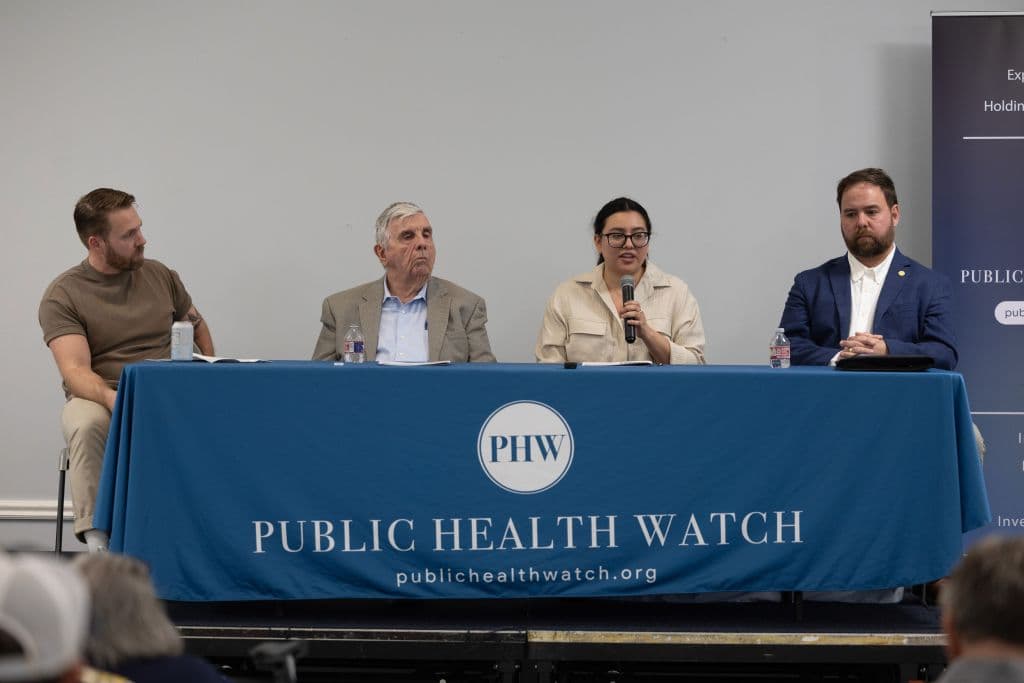
More than 100 Channelview residents, advocates, researchers, and elected office staffers packed a town hall on March 5 to confront a striking finding buried in state emissions data: the loading and unloading of chemical barges and other small vessels released an estimated 5.1 million pounds of volatile organic compounds into Harris County in 2023 alone. That figure, drawn from Texas Commission on Environmental Quality estimates and first reported by the nonprofit investigative newsroom Public Health Watch in December 2025, is 28% more than what Texas's largest single VOC emitter, a 3,400-acre Exxon Mobil refining and petrochemical complex on Harris County's eastern edge, released over the same period.
The town hall, sponsored by Public Health Watch, was organized in direct response to that investigation into the dangers posed by Houston-area petrochemical barges operating on the San Jacinto River. A panel of journalists and scientists fielded questions from an audience that filled the room with palpable frustration. One moment cut through sharper than most: Nathan Mathews, a senior captain with the Channelview Fire Department, stood up and asked, "The area where the barges park out in the river just off I-10, what gives them the right to park there?" The question drew loud applause from the crowd.
The VOCs at issue, including benzene and toluene and other highly combustible substances, can cause blood, kidney, and liver cancers. That health risk sits alongside a documented history of contamination in the area. In 2025, the Environmental Protection Agency ordered the long-delayed cleanup of the San Jacinto River Waste Pits Superfund site to move forward, acknowledging that more than 230,000 tons of dioxin-contaminated material remained at the site, much of it underwater. A separate state cancer study released in 2025 found abnormally high rates of leukemia, lymphoma, cervical cancer, and lung and bronchus cancers across a 257-square-mile area encompassing communities near the river, according to environmental groups reviewing the data.
Control over where those barges operate falls largely to a single entity. According to Public Health Watch's reporting, the Port of Houston owns the submerged land beneath the ship channel and the river and determines which companies are permitted to rent space on the waterways to park, or "fleet," their barges. Public Health Watch described the port as "most responsible for the proliferation of barges in Harris County."
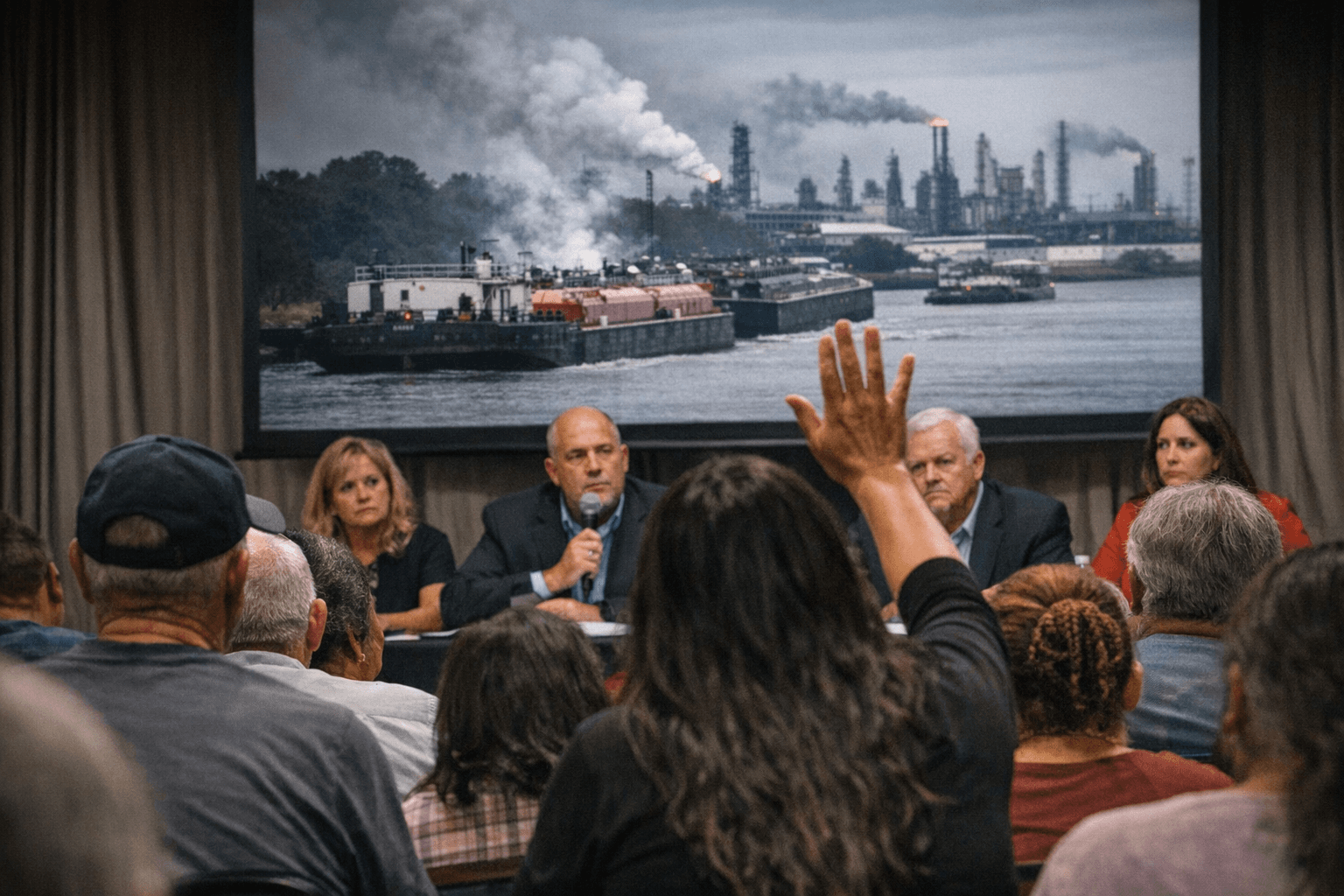
Notably absent from Thursday's meeting were the agencies with the most regulatory leverage. Organizers say the TCEQ, the Texas Department of State Health Services, and the EPA were all invited and none attended.
Organizers say they hope continued public forums will help residents learn to monitor air quality data, submit comments to regulators, and build sustained advocacy for environmental protections in their communities. For a neighborhood that sits downwind of some of the densest petrochemical activity in the country, Thursday's packed room suggested that patience for unanswered questions is running short.
Know something we missed? Have a correction or additional information?
Submit a Tip