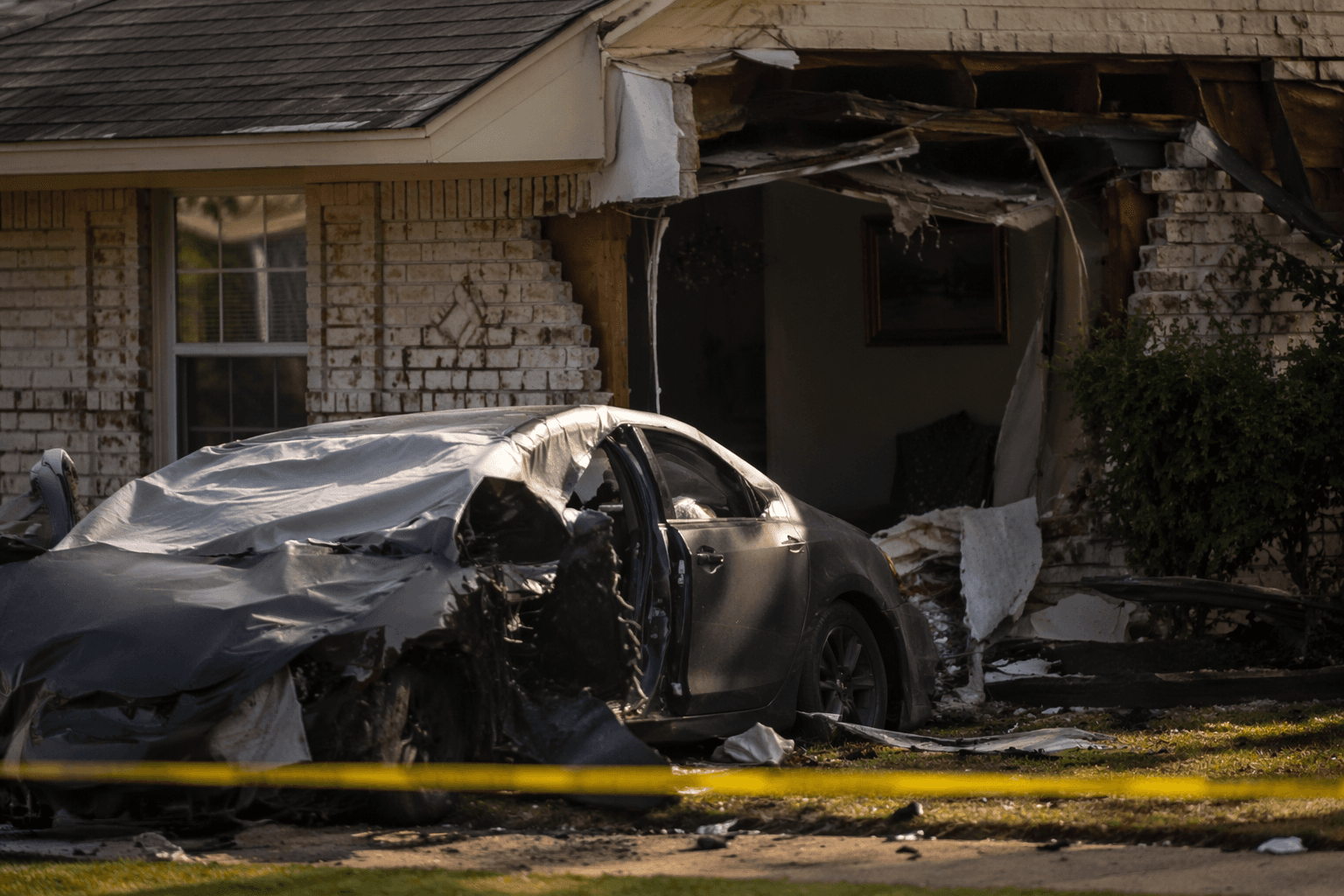
FBI investigates online threat to Houston Stadium, says no credibility
The FBI said an online threat naming Houston Stadium had no credibility as fans headed to Brazil vs. Japan at the World Cup match in Houston.
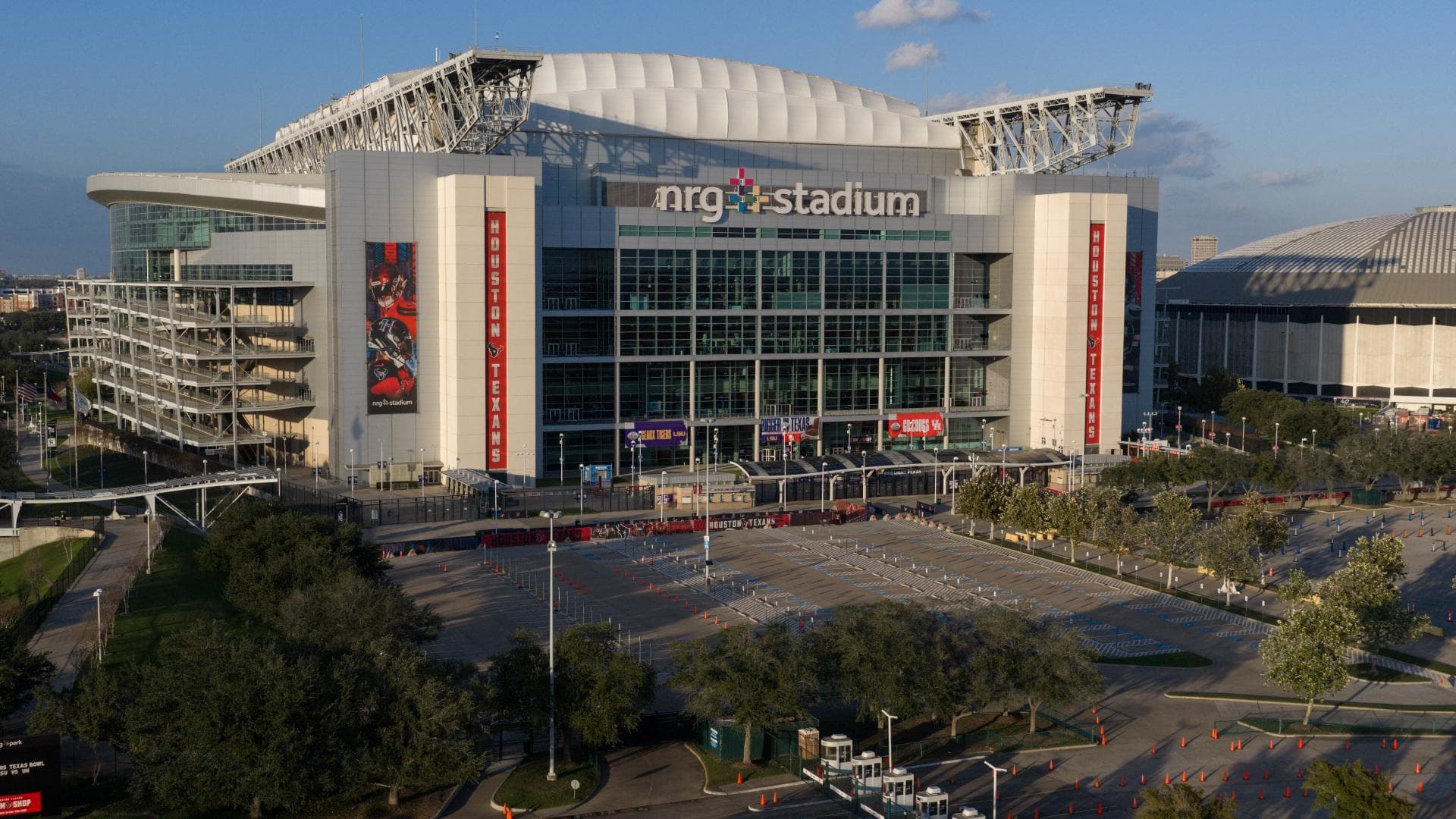
The FBI is investigating an online threat that referenced Houston Stadium ahead of the Brazil-Japan World Cup match. Officials considered the message not credible. Houston was already hosting one of the tournament’s highest-profile games, with fans, businesses and nearby venues moving through a heavy security posture.
FBI Houston is working with local, state and federal public safety partners to determine who sent the message, which had been circulated online and sent to multiple businesses and news organizations. FBI spokesperson Connor Hagan urged the public to stay alert and report suspicious activity or individuals to law enforcement immediately.
The match is set for noon Houston time on Monday, June 29, 2026, in FIFA’s Round of 32. FIFA’s match listing identified the venue as Houston Stadium, while hospitality materials used the name NRG Stadium in Houston, Texas.
City officials had already put tournament restrictions in place before the threat surfaced. Houston approved six Clean Zones for World Cup 2026, and four of them were activated from June 11 through July 19: NRG Park, the Central Business District, EADO and East End, and the Galleria. People traveling to the stadium were already moving through an expanded event-security footprint, especially around NRG Park and the roads feeding the venue.
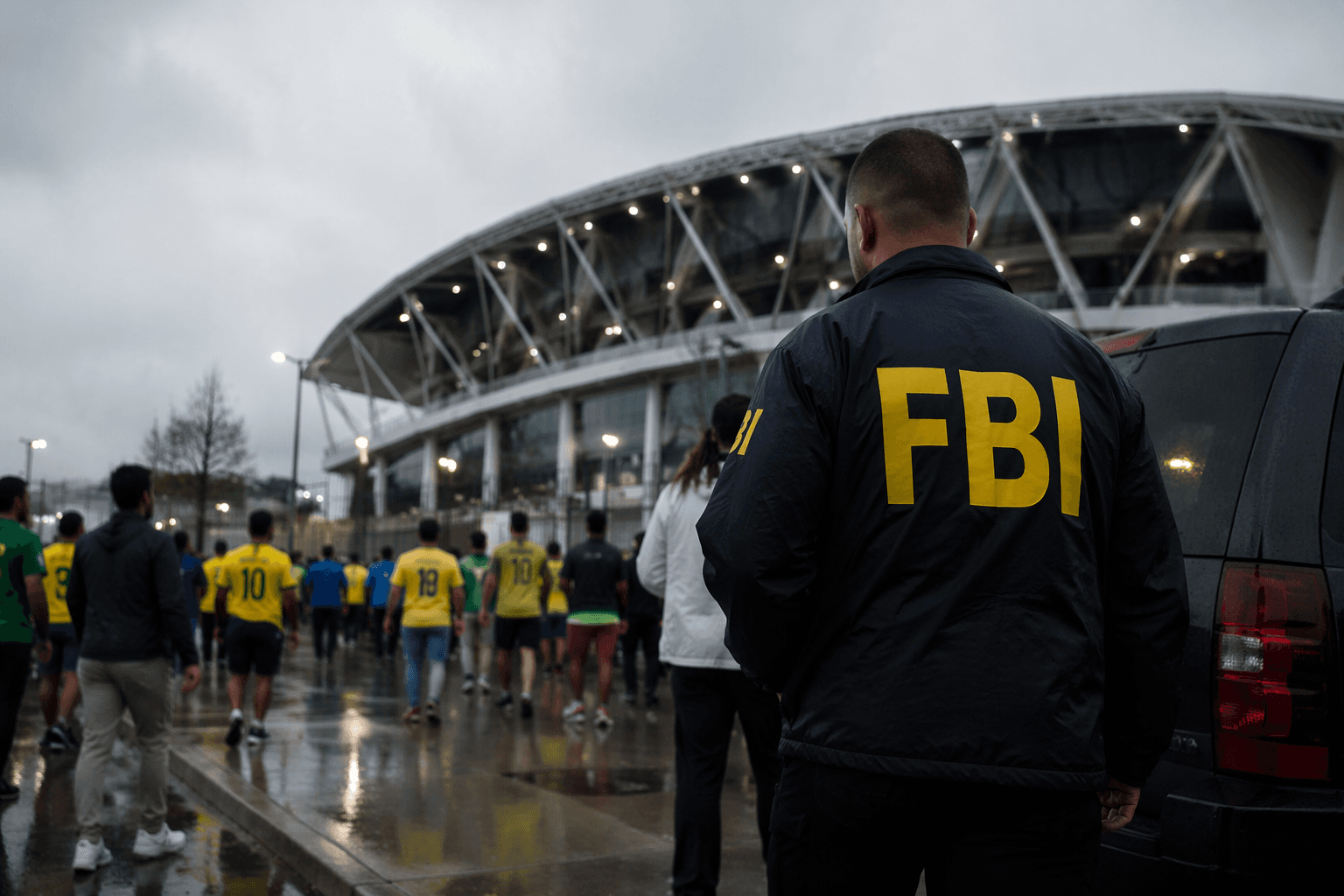
Last month, the bureau warned that cyber threat actors were spoofing FIFA websites ahead of the tournament and directed fans to submit tips through its National Threat Operations Center. Nearly 30 drone operators could face charges after flights in restricted airspace near Houston Stadium and FIFA Fan Fest.
FBI Director Kash Patel has called the 2026 World Cup the largest sporting event ever held in the United States, with 48 teams, 104 matches, 11 cities, millions of visitors and billions watching.
This article was produced by Prism’s automated news system from verified source data, official records, and press releases, then run through automated quality and moderation checks before publishing. The system is built and supervised by the people who set the standards it runs under. Read our full AI policy.
Did this article answer your question?