Former Lupe Tortilla employee sentenced in hidden-camera restroom case
A hidden camera found in a Lupe Tortilla restroom led to a one-year state-jail sentence for former employee Bayron Elias Pu. The case has put restaurant privacy and oversight under Harris County scrutiny.

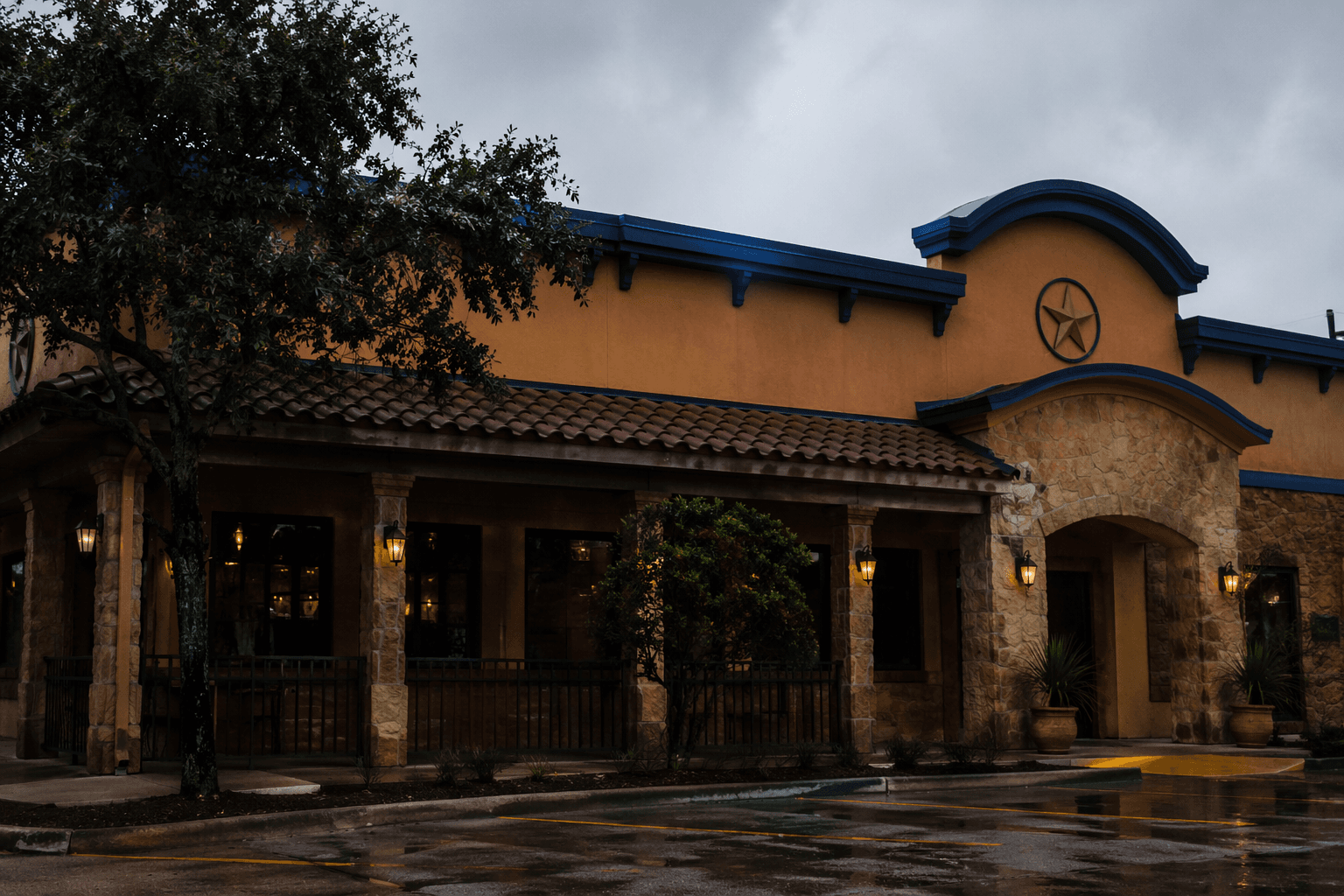
Bayron Elias Pu will serve one year in the State Jail Division after pleading guilty to invasive visual recording, a sentence that leaves him with 215 days remaining after credit for 150 days already served. The case centered on a hidden camera discovered in a restroom at the Lupe Tortilla location at 9313 Katy Freeway in Hedwig Village, a place where families expect routine privacy, not surveillance.
Court records and reporting say another employee found the device on Dec. 30. Investigators said the camera reportedly captured footage of a young girl and a woman using the restroom, turning a restaurant bathroom into the scene of a deeply personal privacy breach. Lupe Tortilla confirmed in a statement that a worker found the recording device.
Pu, who was 31 at the time of his arrest, worked as a dishwasher at the restaurant, according to initial reports. Hedwig Village police detained him when he arrived for work on New Year’s Eve, Dec. 31, and he was later released after posting a $150,000 bond. Later reporting said Pu was being held with an ICE hold and was alleged to have used fraudulent identification documents.
The punishment reflects how Texas law treats the conduct. Under Texas Penal Code Section 21.15, invasive visual recording is a state jail felony when someone secretly records another person in a bathroom or other private space without consent and with intent to invade privacy. The sentencing range is generally 180 days to two years in a state jail facility, along with a possible fine of up to $10,000.
For Harris County customers, the case is a reminder that hidden-camera crimes are not limited to private homes or remote workplaces. A device can be tucked into a public-facing business, discovered only after a worker or customer spots something out of place, and quickly become both a criminal case and a trust problem for the restaurant itself. In a corridor as busy as the Katy Freeway, that means managers have to treat restroom checks, employee screening, and fast reporting as part of basic customer safety.
The sentence moves the case from investigation to punishment, but it also leaves a practical lesson for restaurants across Houston: bathrooms, family restrooms, and other private spaces need regular inspection, and suspicious equipment has to be taken seriously the moment it appears.
This article was produced by Prism’s automated news system from verified source data, official records, and press releases, then run through automated quality and moderation checks before publishing. The system is built and supervised by the people who set the standards it runs under. Read our full AI policy.
Did this article answer your question?