Harris County approves $7M for 100+ jail officers, expands mental health programs
Harris County approved $7 million to hire more than 100 jail detention officers and ordered plans to expand mental‑health diversion and competency restoration, affecting jail capacity and public safety.
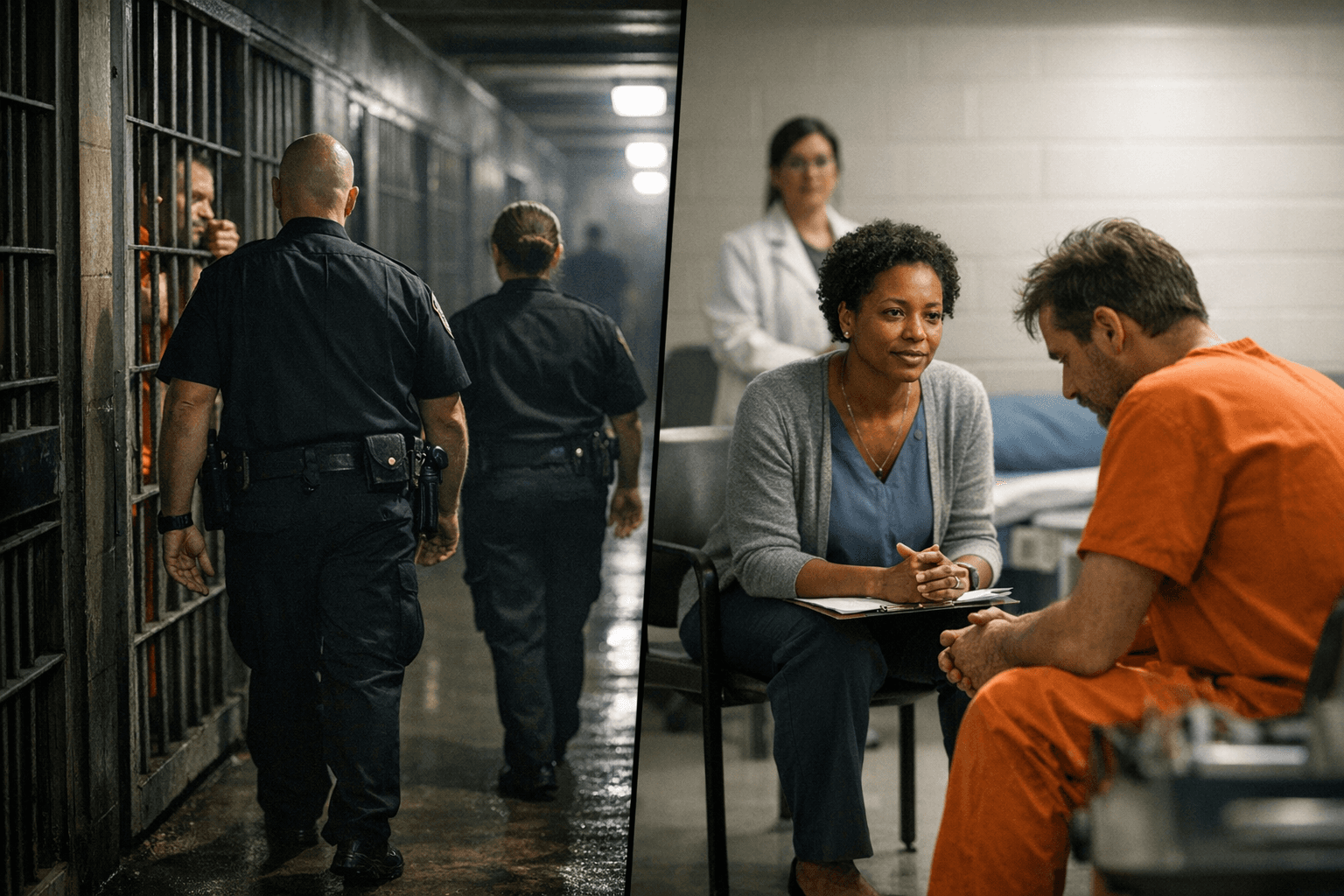
Harris County Commissioners Court moved on multiple fronts to address jail staffing, mental health care and case processing, approving $7 million to hire more than 100 detention officers and directing the Criminal Justice Coordinating Council to return with funding proposals to expand mental‑health diversion. The court also approved $645,000 to expand the county’s competency restoration program, and set planning work ahead of the 2027-28 budget season.
The $7 million allocation is intended to maintain a state‑mandated ratio of detention officers to inmates and shore up staffing as the county navigates shifting population and legal pressures. Commissioners voted unanimously to fund the new positions. Separately, Commissioners approved $645,000 to boost capacity in the jail competency restoration program, which provides therapy, substance abuse education, peer support services and other interventions aimed at speeding trials and freeing bed space. County officials said the competency expansion will start in April.
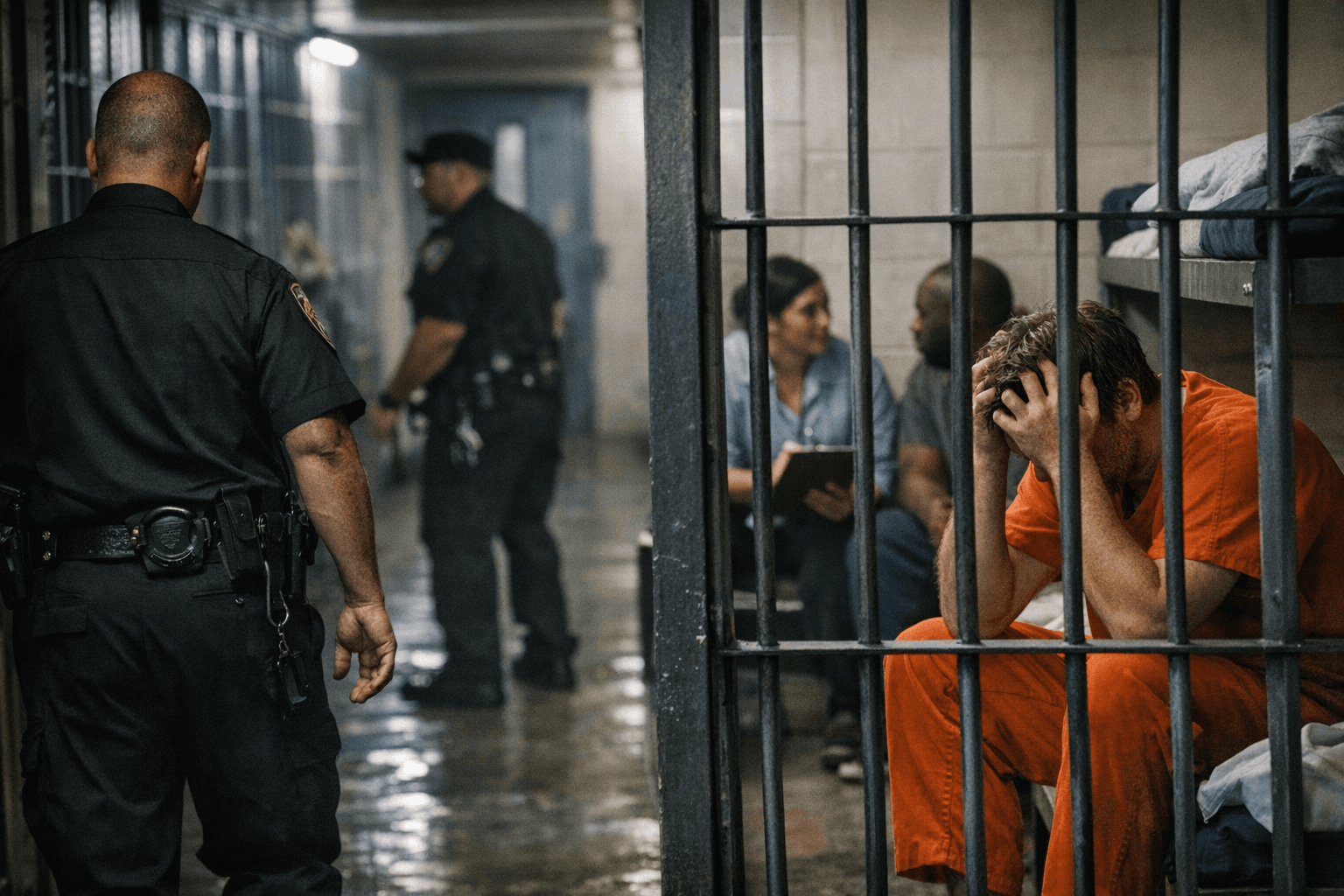
Harris County Judge Lina Hidalgo framed the actions as part of a broader effort to stabilize a system dealing with medical and mental health needs inside the jail. “The entire system does have challenges. Are we tackling the challenges at each level we can? Absolutely. We are not done by any means,” Hidalgo said. She also noted the disproportionate rise in jail deaths compared with population shifts: “The jail population has increased, and you would think that would explain why jail deaths have increased, but the truth of the matter is that jail deaths have increased disproportionately to the increase in the population.”
The competency restoration expansion will affect roughly 2 percent of the county jail population, county reporting said. The Commissioners Court has previously discussed a new mental health‑focused facility and authorized a feasibility study last year to address aging infrastructure and capacity concerns. The court directed the CJCC, which includes elected officials, public defenders and law enforcement leaders, to return with concrete funding proposals for front‑end diversion and a possible district courts pilot.
The county also highlighted recent operational and financial developments. About 300 inmates returned from an outsourced Mississippi facility after a contract ended, a move the county said reduced costs by about $4 million. County officials continue to monitor processing delays and legislative impacts on jail population. Tonya Mills, director of Justice Innovation in the county administration office, told the court a system‑wide push to speed case resolution had blunted some expected population increases from prior bail reform, while new measures such as Proposition 3 carry the risk of reversing downward trends if average length of stay climbs. One projection warned that if 2,400 people who previously would have been released on bond are held without bail, the jail population could rise by more than 1,900 people by 2026.
“Bosquez” told commissioners he plans to present an operational plan that incorporates new legislation, and warned of near‑term slowdowns tied to the annual cycle and law changes: “I think when it starts in January we’ll see these effects three to four months down the road. We'll see some of the end of the year, first of the year slowdowns. It’s just a part of the annual cycle. We’re still maintaining about 500 to 600 inmates that are being picked up timely, but there’s just a lot of inmates who are waiting to go to court. There’s multiple factors for that. I’d like to give you all a full picture of that. And we can definitely have that by February.”
Harris County has participated in the national Safety and Justice Challenge since 2016 and received a MacArthur Foundation grant in 2021 to support efforts to reduce unnecessary incarceration. Commissioner Rodney Ellis praised that work, saying the initiative has been crucial to reducing reliance on the criminal legal system and reimagining public safety.
For residents, the immediate effects will be seen in staffing stability, modest expansion of in‑custody treatment and continued county planning for diversion and infrastructure. The CJCC will return with funding proposals for mental health diversion and the Sheriff’s Office and court operations are expected to deliver further updates in February, setting the course for budget decisions ahead of 2027-28.
Know something we missed? Have a correction or additional information?
Submit a Tip

